India & China Know Struggle with Air Pollution: China Spokesperson
The scourge of air pollution has become a major concern for many countries around the world, with India and China being two of the most affected nations. The rapid urbanization and industrialization in these countries have led to a significant increase in air pollution, posing serious health risks to their citizens. Recently, China acknowledged the shared struggle with India over air pollution, with Chinese spokesperson Yu Jing stating, “Both China and India know the struggle with air pollution amid rapid urbanisation.” This statement comes as a welcome acknowledgment of the issue, and it is hoped that it will pave the way for cooperation and knowledge sharing between the two countries to tackle this critical problem.
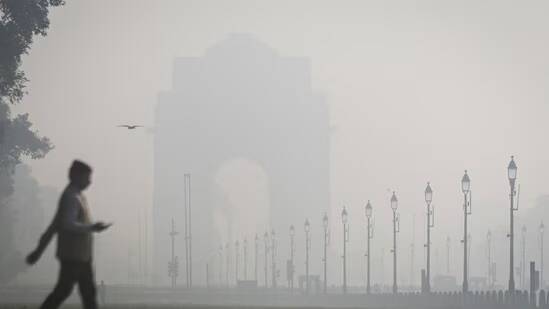
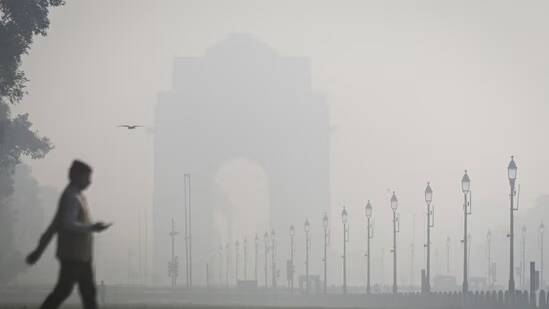
The air quality in India, particularly in the capital city of Delhi, has been a major concern in recent years. The city’s Air Quality Index (AQI) has consistently been above the safe limits, with the pollution levels often reaching hazardous levels. The situation is so severe that the city’s residents are forced to wear masks to protect themselves from the toxic air. The Indian government has been taking measures to address the issue, but the problem persists, and it is clear that more needs to be done to tackle the root causes of air pollution.
China, on the other hand, has been actively working to reduce its air pollution levels in recent years. The country has implemented a range of measures, including the closure of polluting factories, the promotion of clean energy, and the implementation of strict emission standards. These efforts have shown positive results, with many Chinese cities seeing a significant reduction in air pollution levels. Beijing, the capital city of China, was once considered one of the most polluted cities in the world, but it has made significant progress in reducing its air pollution levels.
The Chinese spokesperson, Yu Jing, has offered to share China’s experience in tackling air pollution with India. She stated, “In the coming days, we’ll share a bite-sized series exploring how China tackled air pollution, step by step.” This offer is a welcome move, as it can provide valuable insights and lessons for India to tackle its own air pollution problem. China’s experience in reducing air pollution can serve as a useful model for India, and it is hoped that the two countries can work together to share knowledge, expertise, and best practices to address this critical issue.
The remarks by the Chinese spokesperson came as Delhi’s AQI neared 500, which is considered to be extremely hazardous. The city’s residents are bracing themselves for another polluted winter, and it is clear that urgent action is needed to address the issue. The Indian government has been criticized for its handling of the air pollution crisis, and it is hoped that the acknowledgment by China of the shared struggle will prompt the government to take more decisive action to tackle the problem.
The air pollution crisis in India and China is a complex issue, with multiple factors contributing to the problem. The rapid urbanization and industrialization in these countries have led to a significant increase in the number of vehicles on the road, the growth of industries, and the construction of new buildings. These activities have resulted in a massive increase in the emission of pollutants, including particulate matter, nitrogen oxides, and volatile organic compounds. The lack of effective regulations and enforcement has also contributed to the problem, with many polluting industries and vehicles operating with impunity.
To tackle the air pollution crisis, it is essential that both India and China take a comprehensive and multi-faceted approach. This includes implementing strict emission standards, promoting clean energy, and increasing the use of public transport. The governments of both countries must also take steps to educate the public about the risks of air pollution and the importance of taking action to reduce it. The sharing of knowledge and expertise between the two countries can play a critical role in addressing the issue, and it is hoped that the acknowledgment by China of the shared struggle will mark the beginning of a new era of cooperation between the two nations.
In conclusion, the acknowledgment by China of the shared struggle with India over air pollution is a welcome move. The offer by the Chinese spokesperson to share China’s experience in tackling air pollution is a positive step, and it is hoped that it will lead to increased cooperation and knowledge sharing between the two countries. The air pollution crisis in India and China is a complex issue, and it requires a comprehensive and multi-faceted approach to tackle it. The sharing of knowledge and expertise between the two countries can play a critical role in addressing the issue, and it is essential that both governments take decisive action to reduce air pollution levels and protect the health and well-being of their citizens.
About the Author