India & China know struggle with air pollution: China Spokesperson
The issue of air pollution has been a long-standing concern for many countries around the world, with some of the most populous nations being the most affected. India and China, two of the most densely populated countries, have been struggling to combat the growing problem of air pollution, which has severe implications for the health and well-being of their citizens. Recently, China acknowledged the shared struggle with India over air pollution, with a Chinese spokesperson stating that both countries are aware of the challenges posed by air pollution amid rapid urbanization.
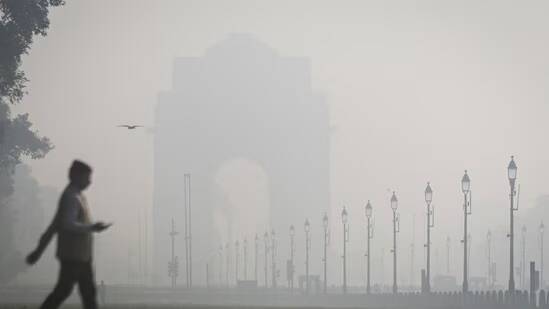
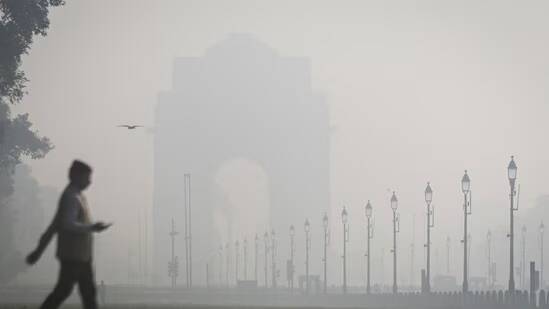
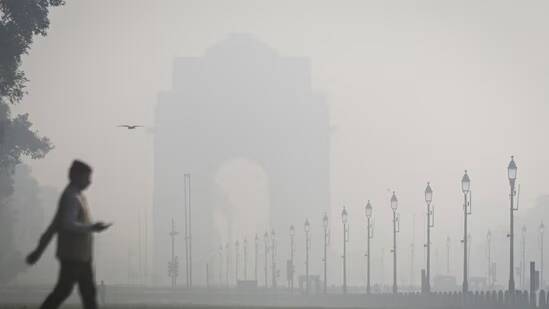
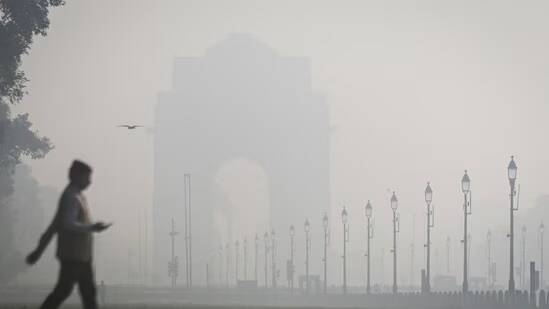
The remarks were made by Chinese spokesperson Yu Jing, who said, “Both China and India know the struggle with air pollution amid rapid urbanisation.” This statement comes at a time when Delhi’s Air Quality Index (AQI) has been nearing 500, posing a significant threat to the health of its residents. The AQI is a measure of the level of air pollution in a given area, and a reading of 500 is considered extremely hazardous. The World Health Organization (WHO) recommends an AQI of 25 or below for healthy air quality.
The struggle with air pollution is not new to India and China. Both countries have been experiencing rapid urbanization and industrialization, which has led to a significant increase in air pollution. The main causes of air pollution in these countries include the burning of fossil fuels, emissions from vehicles, and industrial activities. The effects of air pollution are far-reaching and can have severe consequences for human health, including respiratory problems, cardiovascular disease, and even premature death.
In recent years, China has made significant efforts to tackle the problem of air pollution. The country has implemented various measures to reduce emissions and improve air quality, including the closure of polluting factories, the promotion of clean energy, and the implementation of stricter emissions standards. China has also invested heavily in the development of electric and hybrid vehicles, which has helped to reduce emissions from the transportation sector.
According to Yu Jing, China is willing to share its experiences and expertise with India in tackling air pollution. She said, “In the coming days, we’ll share a bite-sized series exploring how China tackled air pollution, step by step.” This offer of assistance is significant, as it reflects a willingness on the part of China to cooperate with India in addressing a common challenge.
The cooperation between India and China on air pollution is not limited to mere words. Both countries have been working together to address the issue of air pollution through various bilateral and multilateral forums. For example, the two countries have been collaborating on the development of clean energy technologies, including solar and wind power. They have also been working together to promote sustainable transportation systems, including the development of electric and hybrid vehicles.
The struggle with air pollution is a complex and multifaceted issue that requires a comprehensive and coordinated approach. It involves not just government agencies, but also the private sector, civil society, and individuals. In India, for example, there are many non-governmental organizations (NGOs) and community groups that are working to raise awareness about air pollution and promote sustainable practices.
One of the key challenges in addressing air pollution is the lack of awareness and education about the issue. Many people in India and China are not aware of the risks associated with air pollution, and therefore, do not take the necessary precautions to protect themselves. This lack of awareness is exacerbated by the fact that air pollution is often invisible, making it difficult for people to understand the severity of the problem.
To address this challenge, it is essential to promote education and awareness about air pollution. This can be done through various channels, including social media, schools, and community outreach programs. Governments, NGOs, and private sector companies can all play a role in promoting awareness and education about air pollution.
Another key challenge in addressing air pollution is the need for effective policies and regulations. Governments must establish and enforce strict emissions standards, and provide incentives for companies and individuals to adopt clean technologies and practices. This can include measures such as tax breaks, subsidies, and low-interest loans.
In conclusion, the struggle with air pollution is a shared challenge that affects not just India and China, but many countries around the world. It is a complex and multifaceted issue that requires a comprehensive and coordinated approach. By working together and sharing experiences and expertise, India and China can learn from each other and develop effective strategies to tackle air pollution. As Chinese spokesperson Yu Jing said, “Both China and India know the struggle with air pollution amid rapid urbanisation.” It is time for both countries to take decisive action to address this challenge and promote clean and healthy air for all.
About the Author