India & China Know Struggle with Air Pollution: China Spokesperson
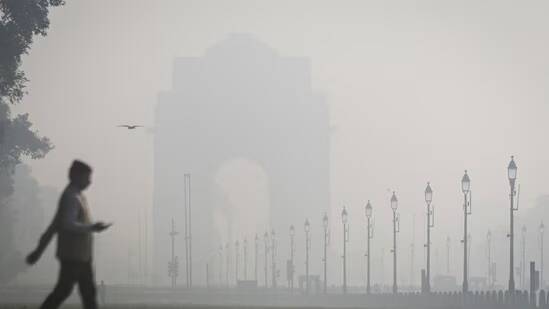
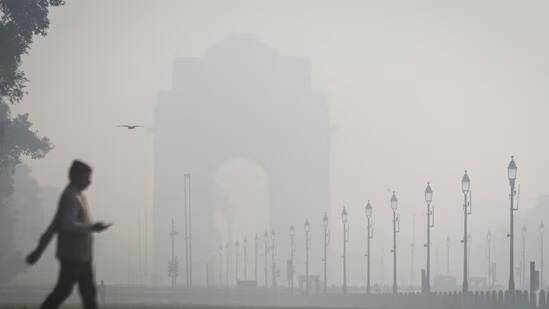
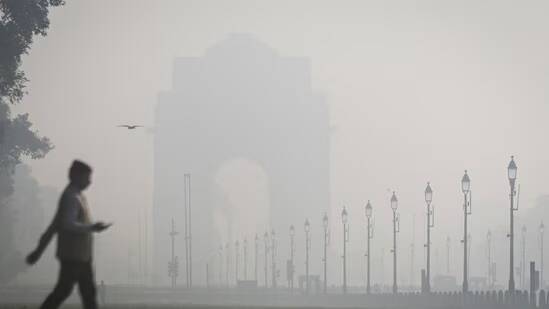
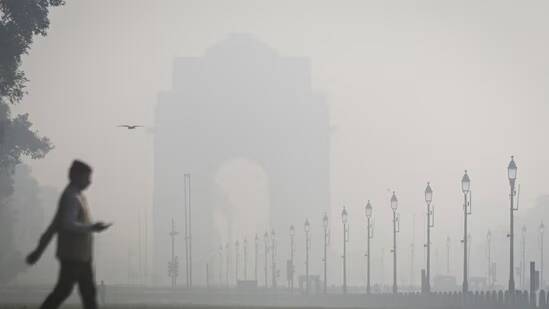
In a rare admission, China has acknowledged that it shares a common struggle with India when it comes to air pollution. The remarks were made by Chinese spokesperson Yu Jing, who stated that both countries are grappling with the issue of air pollution amid rapid urbanization. This statement comes at a time when Delhi’s Air Quality Index (AQI) has been hovering near 500, posing serious health risks to its citizens.
The issue of air pollution is a pressing concern for both India and China, two of the world’s most populous countries. As these nations continue to experience rapid economic growth and urbanization, the problem of air pollution has become increasingly severe. The World Health Organization (WHO) has estimated that nine out of ten people worldwide breathe polluted air, with India and China being among the hardest hit.
According to Yu Jing, China has made significant progress in tackling air pollution in recent years. She stated that China is willing to share its experiences and strategies with India, in the hopes that it can help the country mitigate its own air pollution crisis. “In the coming days, we’ll share a bite-sized series exploring how China tackled air pollution, step by step,” she said.
This offer of assistance from China comes at a critical time for India, particularly for the city of Delhi, which has been struggling to cope with hazardous levels of air pollution. The city’s AQI has been consistently high, often exceeding 400, which is considered “severe” by Indian government standards. This has led to widespread health problems, including respiratory issues, cardiovascular disease, and even premature death.
So, how did China tackle its own air pollution crisis? In recent years, the Chinese government has implemented a range of measures to reduce pollution levels. These include stricter emissions standards for vehicles, increased investment in renewable energy, and the implementation of policies to reduce industrial pollution. China has also made significant investments in clean technologies, such as electric vehicles and green infrastructure.
One of the key strategies employed by China has been the use of a “red alert” system, which is triggered when pollution levels exceed a certain threshold. During red alert periods, factories and construction sites are shut down, and vehicles are restricted from the roads. This approach has been shown to be effective in reducing pollution levels, at least in the short term.
China has also invested heavily in the development of clean energy technologies, such as solar and wind power. The country has set ambitious targets for renewable energy production, aiming to generate at least 35% of its electricity from non-fossil fuels by 2030. This shift towards cleaner energy sources has helped to reduce China’s reliance on coal, which has been a major contributor to air pollution in the country.
In addition to these measures, China has also implemented policies to promote sustainable urban planning and development. This includes the creation of green spaces, such as parks and gardens, which can help to absorb pollutants and improve air quality. China has also invested in the development of green transportation systems, such as electric buses and bike-sharing schemes.
While China’s efforts to tackle air pollution have been significant, it is worth noting that the country still has a long way to go. Pollution levels remain high in many parts of the country, and the government faces ongoing challenges in balancing economic growth with environmental protection.
For India, the lessons from China’s experience are clear. To tackle its own air pollution crisis, India will need to adopt a multi-faceted approach that involves government, industry, and civil society. This will require significant investments in clean energy technologies, as well as policies to promote sustainable urban planning and development.
The Indian government has already taken some steps to address the issue of air pollution, including the implementation of stricter emissions standards for vehicles and the promotion of renewable energy production. However, more needs to be done to tackle the scale and complexity of the problem.
As Yu Jing noted, the struggle with air pollution is a shared one, and both China and India can learn from each other’s experiences. By working together and sharing knowledge and expertise, these two countries can make significant progress in reducing pollution levels and improving the health and well-being of their citizens.
In conclusion, the issue of air pollution is a pressing concern for both India and China, and it will require a sustained and collective effort to address. China’s offer to share its experiences and strategies with India is a welcome one, and it is hoped that this will help to inform and shape India’s own approach to tackling air pollution.
For more information on this story, please visit: https://www.news18.com/amp/india/china-india-air-quality-crisis-beijing-offers-tips-tackle-pollution-delhi-ws-l-9771684.html
About the Author