India & China Know Struggle with Air Pollution: China Spokesperson
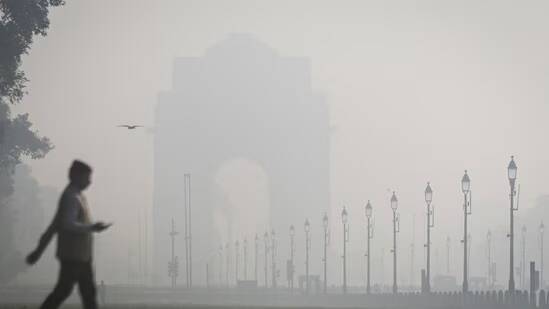
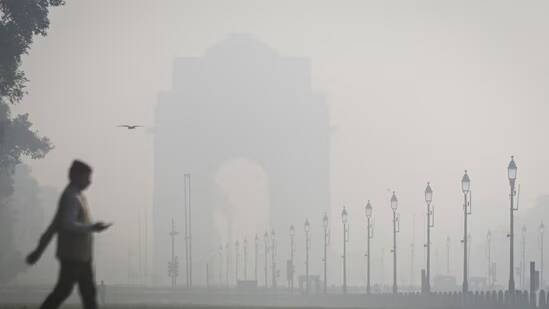
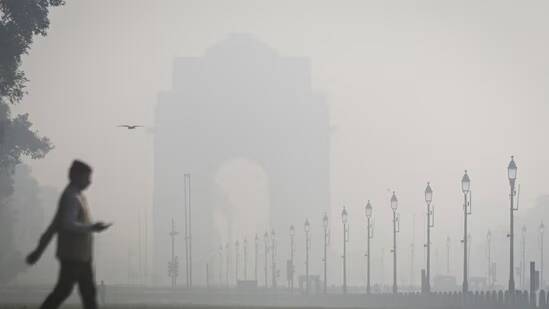
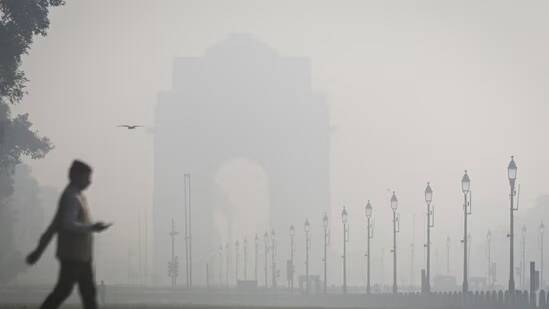
In a rare acknowledgment of the shared environmental challenges faced by two of the world’s most populous countries, China has admitted that both India and China are grappling with the issue of air pollution. The statement comes at a time when the air quality in Delhi, India’s capital city, has deteriorated significantly, with the Air Quality Index (AQI) nearing 500. This hazardous level of air pollution has raised serious health concerns for the citizens of Delhi and has prompted the Chinese government to offer words of solidarity and advice on how to tackle the crisis.
According to Chinese spokesperson Yu Jing, “Both China and India know the struggle with air pollution amid rapid urbanisation.” This statement is a significant acknowledgment of the common challenges faced by the two countries, which are both experiencing rapid economic growth and urbanization. The spokesperson’s remarks were made in the context of Delhi’s worsening air pollution, which has been a persistent problem for several years. The city’s AQI has been consistently high, often exceeding the safe limits set by the World Health Organization (WHO).
The Chinese government’s willingness to acknowledge the shared struggle with air pollution is a welcome move, as it highlights the need for international cooperation and knowledge-sharing to address this critical issue. Yu Jing added, “In the coming days, we’ll share a bite-sized series exploring how China tackled air pollution, step by step.” This offer of expertise and experience is a significant gesture of goodwill and reflects China’s own struggles with air pollution in the past.
China’s own experience with air pollution is well-documented. In the early 2000s, China’s rapid industrialization and urbanization led to a significant deterioration in air quality, particularly in cities like Beijing and Shanghai. The government was forced to take drastic measures to address the issue, including implementing strict emission controls, investing in renewable energy, and promoting the use of electric vehicles. Today, China is a leader in the production and adoption of electric vehicles, and its cities have seen a significant improvement in air quality.
The Chinese government’s offer to share its experience and expertise with India is a valuable one, as India grapples with its own air pollution crisis. Delhi’s air pollution is a complex issue, with multiple factors contributing to the problem. These include the burning of crop residue in neighboring states, vehicular emissions, industrial pollution, and dust from construction sites. The city’s geography, with its surrounding mountains and low wind speeds, also makes it prone to air pollution.
To address the issue, the Indian government has implemented several measures, including the odd-even traffic rule, which restricts the movement of vehicles based on their license plate numbers. The government has also invested in pollution-control technologies, such as air purifiers and smog towers. However, more needs to be done to address the root causes of the problem, including the promotion of cleaner fuels, the improvement of public transportation, and the enforcement of stricter emission controls.
The Chinese government’s offer of expertise and experience is a timely one, as India seeks to tackle its air pollution crisis. By learning from China’s successes and failures, India can develop more effective strategies to address its own air pollution challenges. This collaboration can also pave the way for greater international cooperation on environmental issues, as countries around the world grapple with the challenges of climate change, air pollution, and sustainable development.
In conclusion, the Chinese government’s acknowledgment of the shared struggle with air pollution is a significant move, as it highlights the need for international cooperation and knowledge-sharing to address this critical issue. By sharing its expertise and experience, China can help India develop more effective strategies to tackle its air pollution crisis. As the world’s two most populous countries, India and China have a critical role to play in addressing the global environmental challenges of the 21st century. By working together, they can promote sustainable development, reduce pollution, and create a healthier and more prosperous future for their citizens.
About the Author