India & China Know Struggle with Air Pollution: China Spokesperson
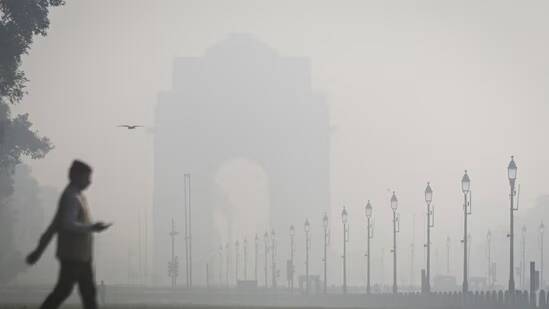
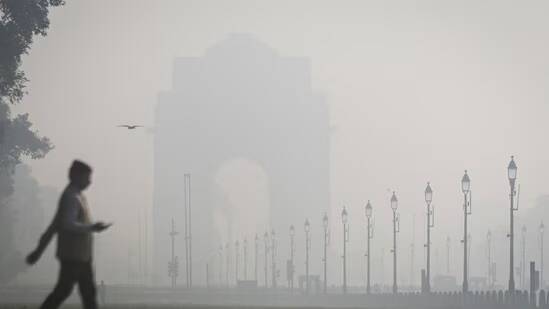
The issue of air pollution has become a pressing concern for many countries around the world, with India and China being two of the most affected nations. The rapid urbanization and industrialization in these countries have led to a significant increase in air pollution, posing serious health risks to their citizens. Recently, China acknowledged the shared struggle with India over air pollution, with Chinese spokesperson Yu Jing stating, “Both China and India know the struggle with air pollution amid rapid urbanisation.” This statement comes at a time when Delhi’s Air Quality Index (AQI) has reached alarming levels, nearing 500.
The air pollution crisis in India, particularly in the national capital Delhi, has been a persistent problem for years. The city’s poor air quality has been attributed to a combination of factors, including vehicular emissions, industrial pollution, and agricultural burning. The situation is so severe that it has become a major public health concern, with thousands of people suffering from respiratory problems and other health issues related to air pollution. The Indian government has been working to address the issue, but the results have been slow to come, and the problem persists.
China, on the other hand, has been working to tackle its own air pollution problem, and with some success. In recent years, the Chinese government has implemented a series of measures to reduce air pollution, including the closure of polluting factories, the promotion of clean energy, and the implementation of stricter emissions standards. These efforts have led to a significant improvement in air quality in some of China’s major cities, including Beijing.
According to Yu Jing, China is willing to share its experiences and expertise with India to help the country tackle its air pollution problem. “In the coming days, we’ll share a bite-sized series exploring how China tackled air pollution, step by step,” she said. This offer of assistance is a welcome move, as it could provide valuable insights and lessons for India as it works to address its own air pollution crisis.
One of the key strategies that China has employed to tackle air pollution is the use of technology. The country has invested heavily in the development of clean energy technologies, such as wind and solar power, and has implemented policies to promote their use. China has also developed advanced systems for monitoring and managing air pollution, which have helped to identify and address pollution hotspots.
Another important aspect of China’s approach to tackling air pollution is the involvement of the public. The Chinese government has launched public awareness campaigns to educate people about the risks of air pollution and the importance of taking action to reduce it. This has helped to build a sense of community and shared responsibility for addressing the problem.
In contrast, India’s efforts to tackle air pollution have been hindered by a lack of public awareness and participation. While the Indian government has launched initiatives to promote clean energy and reduce pollution, these efforts have been limited by a lack of public support and engagement. This is an area where China’s experience could be valuable, as it has shown that public awareness and participation are crucial to successful air pollution reduction efforts.
The Chinese government’s offer to share its expertise with India is a significant development, and one that could have a major impact on the country’s air pollution crisis. By learning from China’s experiences and adopting some of its strategies, India could make significant progress in reducing air pollution and improving public health.
However, it is also important to note that air pollution is a complex and multifaceted problem, and there is no one-size-fits-all solution. While China’s approaches may have been successful in some contexts, they may not be directly applicable to India’s unique circumstances. India will need to tailor its own approaches to its specific needs and challenges, and to involve a wide range of stakeholders, including government agencies, businesses, and civil society organizations.
In conclusion, the acknowledgement by China of a shared struggle with India over air pollution is a significant development, and one that highlights the need for international cooperation and knowledge-sharing on this critical issue. By learning from each other’s experiences and adopting effective strategies, both countries can make progress in reducing air pollution and improving public health. As China’s spokesperson Yu Jing said, “Both China and India know the struggle with air pollution amid rapid urbanisation,” and it is time for both countries to work together to address this pressing challenge.
About the Author