India & China Know Struggle with Air Pollution: China Spokesperson
As the world grapples with the challenges of climate change and environmental degradation, two of the most populous countries, India and China, are facing a common enemy: air pollution. The issue has become a major concern for both nations, with severe consequences for the health and well-being of their citizens. Recently, China acknowledged the shared struggle with India over air pollution, offering a glimmer of hope for a collaborative approach to tackling this pressing issue.
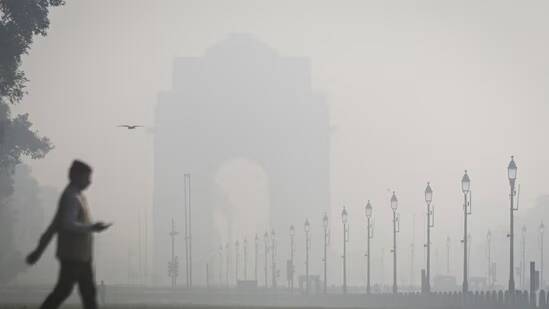
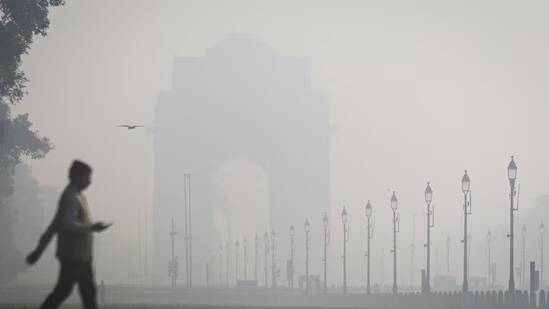
According to Chinese spokesperson Yu Jing, “Both China and India know the struggle with air pollution amid rapid urbanisation.” These words come as a welcome acknowledgment of the challenges that both countries face in their efforts to balance economic growth with environmental sustainability. The remarks were made as Delhi’s Air Quality Index (AQI) neared 500, a level that is considered hazardous to human health. The situation in Delhi is a stark reminder of the need for urgent action to address the air pollution crisis that is affecting not just the Indian capital, but many other cities across the country.
China, which has been grappling with its own air pollution issues, has made significant strides in recent years to reduce its pollution levels. The country has implemented a range of measures, from increasing the use of renewable energy sources to imposing stricter emissions standards on industries. As a result, China has seen a notable improvement in its air quality, with many cities experiencing a significant reduction in pollution levels.
Now, China is offering to share its expertise with India, with Yu Jing announcing that “in the coming days, we’ll share a bite-sized series exploring how China tackled air pollution, step by step.” This offer of cooperation and knowledge-sharing is a positive development, and one that could potentially benefit both countries. By learning from each other’s experiences and best practices, India and China can work together to develop effective strategies for reducing air pollution and improving the health and well-being of their citizens.
The air pollution crisis in India is a complex issue, with multiple factors contributing to the problem. Rapid urbanisation, industrialisation, and the growing use of vehicles have all led to an increase in emissions, which in turn have contributed to the deterioration of air quality. The situation is exacerbated by factors such as crop burning, construction activities, and the lack of effective waste management systems.
In Delhi, the air pollution crisis has become a major public health concern, with residents experiencing a range of health problems, from respiratory issues to cardiovascular disease. The city’s AQI has consistently exceeded safe limits, with levels of particulate matter (PM) 2.5 and PM 10 often reaching hazardous levels. The situation is not limited to Delhi, however, with many other cities across India experiencing similar problems.
The Chinese experience in tackling air pollution offers valuable lessons for India. China’s approach has been multifaceted, involving a range of measures, from the imposition of stricter emissions standards to the promotion of clean energy sources. The country has also invested heavily in the development of electric vehicles, with many cities now having extensive networks of electric buses and taxis.
In addition, China has implemented a range of policies to reduce pollution from industries, including the closure of polluting factories and the introduction of stricter environmental regulations. The country has also launched a number of initiatives to promote sustainable development, including the creation of “eco-cities” and the development of green infrastructure.
As India grapples with its own air pollution crisis, it can learn from China’s experiences and adapt these strategies to its own context. The Indian government has already taken some steps to address the issue, including the launch of the National Clean Air Programme (NCAP), which aims to reduce particulate matter levels by 20-30% by 2024. However, more needs to be done to tackle the scale and complexity of the problem.
The offer of cooperation from China is a welcome development, and one that could potentially help India to accelerate its efforts to reduce air pollution. By sharing knowledge, expertise, and best practices, the two countries can work together to develop effective strategies for improving air quality and promoting sustainable development.
In conclusion, the acknowledgment by China of the shared struggle with India over air pollution is a significant development, and one that offers hope for a collaborative approach to tackling this pressing issue. As the world’s two most populous countries, India and China have a critical role to play in addressing the global challenge of air pollution, and their cooperation could have far-reaching benefits for the health and well-being of their citizens.
By working together and sharing their experiences and expertise, India and China can develop effective strategies for reducing air pollution and promoting sustainable development. The coming days will be crucial in this regard, as China shares its bite-sized series on how it tackled air pollution, step by step. It is hoped that this cooperation will mark the beginning of a new era of collaboration between the two countries, one that will have a positive impact on the lives of millions of people.
About the Author