India & China Know Struggle with Air Pollution: China Spokesperson
The issue of air pollution has become a major concern for many countries around the world, and India and China are no exceptions. Both nations have been struggling to combat the rising levels of air pollution, which has severe implications for the health and well-being of their citizens. Recently, China acknowledged the shared struggle with India over air pollution, with Chinese spokesperson Yu Jing stating, “Both China and India know the struggle with air pollution amid rapid urbanisation.” This statement highlights the common challenges faced by both countries and the need for collaborative efforts to address this critical issue.
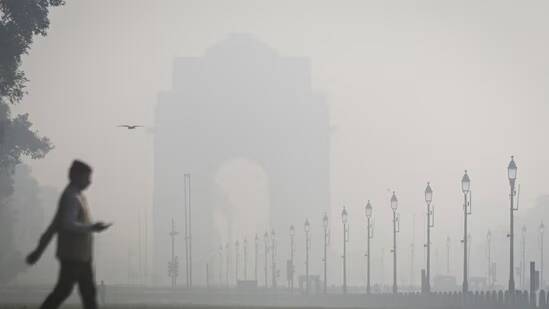
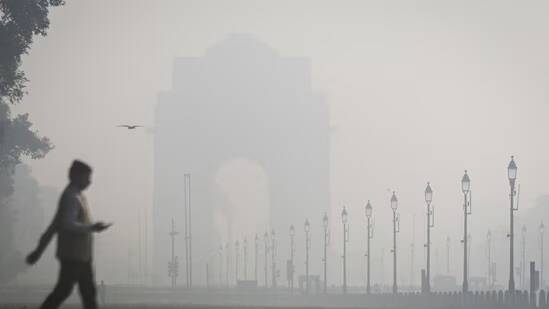
The remarks from the Chinese spokesperson came at a time when Delhi’s Air Quality Index (AQI) neared 500, indicating extremely poor air quality. The AQI is a measure of the level of air pollution in a given area, and a reading of 500 is considered hazardous to health. The poor air quality in Delhi has been a persistent problem, with the city often ranking among the most polluted cities in the world. The situation is similar in many other parts of India, where air pollution has become a major public health concern.
China, on the other hand, has been making significant efforts to tackle air pollution in recent years. The country has implemented a range of measures, including the closure of polluting factories, the promotion of clean energy, and the imposition of strict emissions standards. These efforts have led to a significant improvement in air quality in many parts of China, particularly in the capital city of Beijing. According to Yu Jing, China is willing to share its experiences and expertise with India in tackling air pollution. “In the coming days, we’ll share a bite-sized series exploring how China tackled air pollution, step by step,” she said.
The willingness of China to share its expertise with India is a positive development, as it can help both countries to learn from each other’s experiences and find effective solutions to the problem of air pollution. Air pollution is a complex issue that requires a multi-faceted approach, involving government policies, technological innovations, and changes in individual behavior. By sharing knowledge and best practices, India and China can accelerate their efforts to improve air quality and protect the health of their citizens.
One of the key steps taken by China to tackle air pollution is the implementation of strict emissions standards for industries and vehicles. China has also invested heavily in clean energy, including solar and wind power, to reduce its dependence on fossil fuels. Additionally, the country has launched a series of initiatives to promote energy efficiency and reduce waste. These efforts have led to a significant reduction in air pollution in many parts of China, and have helped to improve the overall quality of life for its citizens.
India, too, has been taking steps to address the issue of air pollution. The government has launched a number of initiatives, including the National Clean Air Programme (NCAP), which aims to reduce particulate matter (PM) levels by 20-30% by 2024. The government has also introduced stricter emissions standards for vehicles and industries, and has promoted the use of clean energy sources such as solar and wind power. However, despite these efforts, air pollution remains a major challenge in India, and more needs to be done to address this issue.
The shared struggle with air pollution between India and China highlights the need for international cooperation and knowledge sharing to address this global issue. Air pollution is not a problem that can be solved by one country alone, and it requires a collective effort from governments, industries, and individuals around the world. By working together and sharing best practices, India and China can learn from each other’s experiences and find effective solutions to the problem of air pollution.
In conclusion, the acknowledgement by China of the shared struggle with India over air pollution is a positive development, as it highlights the need for collaborative efforts to address this critical issue. The willingness of China to share its expertise with India can help both countries to learn from each other’s experiences and find effective solutions to the problem of air pollution. As both countries continue to grapple with the challenges of air pollution, it is essential that they work together and share knowledge and best practices to improve air quality and protect the health of their citizens.
About the Author