India changed since Raj Kapoor’s era but friendship remains: Putin
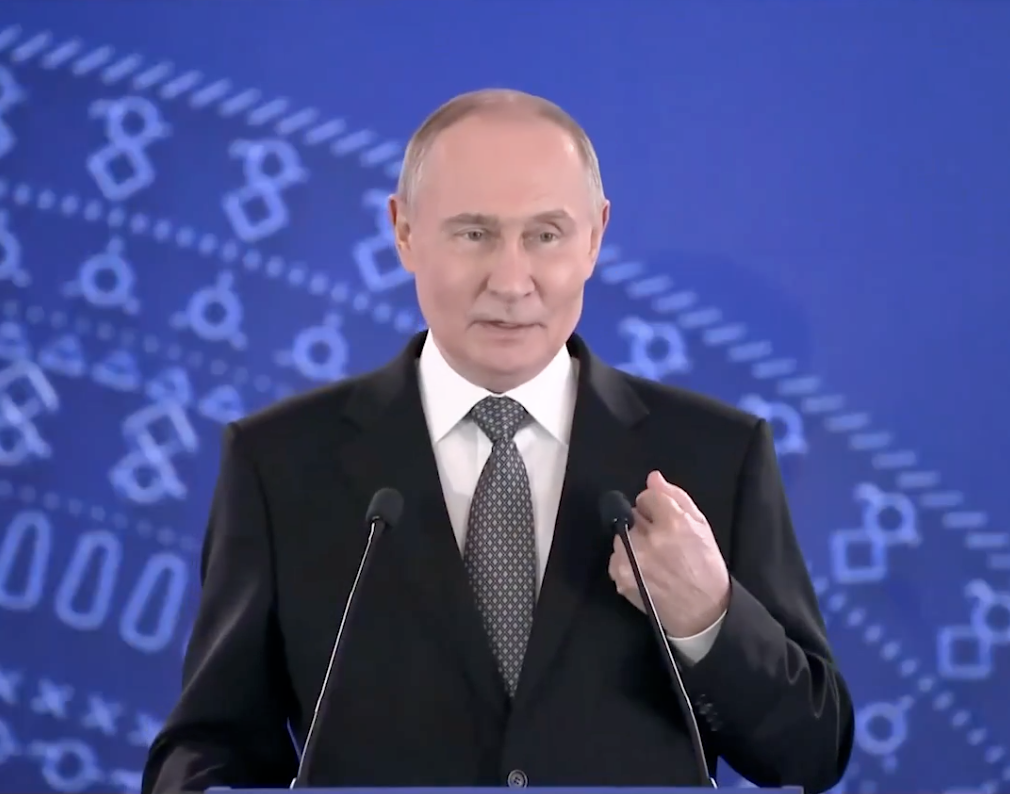
The world has witnessed significant transformations over the years, with nations evolving and growing at an unprecedented pace. India, in particular, has undergone a radical change, transforming from a developing nation to a global powerhouse. However, amidst this change, one constant has remained – the enduring friendship between India and Russia. Russian President Vladimir Putin, during his recent visit to India, highlighted this special bond, invoking the legacy of the legendary Indian filmmaker, Raj Kapoor.
Putin’s statement, “India’s economy has changed dramatically since Raj Kapoor’s era, but one thing has remained constant: friendship and shared commitment to cooperation,” resonated deeply with the Indian audience. The reference to Raj Kapoor, a iconic figure in Indian cinema, was not coincidental. Raj Kapoor’s films, such as ‘Awaara’ (1951), had gained immense popularity in the USSR, transcending cultural and linguistic barriers. The film’s themes of love, social justice, and humanity struck a chord with the Russian people, who saw a reflection of their own values and aspirations in the movie.
The era of Raj Kapoor, often referred to as the “Golden Age” of Indian cinema, was marked by a sense of optimism and hope. Indian cinema was still in its nascent stages, but it had already begun to make its presence felt globally. Raj Kapoor, along with other legendary filmmakers, played a significant role in shaping the industry, producing films that were not only entertaining but also socially relevant. His films often dealt with themes of poverty, inequality, and social injustice, resonating with the masses.
The popularity of Raj Kapoor’s films in the USSR was not limited to the cinematic fraternity alone. The Russian people, in general, were fascinated by Indian culture, which they saw as a reflection of their own values and traditions. The Soviet Union, in the post-World War II era, was looking to expand its diplomatic and cultural ties with other nations, and India, with its rich cultural heritage, was an obvious choice. The cultural exchange between the two nations was mutual, with Indian artists and intellectuals visiting the USSR, and Russian artists and intellectuals visiting India.
The friendship between India and Russia has been a constant theme in the bilateral relations between the two nations. The two countries have cooperated on various fronts, including defense, space, and energy. Russia has been one of India’s closest allies, providing significant support to the country in its early years of independence. The Soviet Union, under the leadership of Joseph Stalin, was one of the first countries to recognize India’s independence, and the two nations have since enjoyed a special relationship.
In recent years, the India-Russia relationship has gained significant momentum, with the two nations cooperating on various strategic projects. The bilateral trade between the two nations has increased significantly, with Russia emerging as one of India’s largest trading partners. The two nations have also cooperated on defense-related projects, including the joint production of the BrahMos missile system.
President Putin’s visit to India was significant, as it marked a new chapter in the bilateral relations between the two nations. The visit was seen as an opportunity to strengthen the economic and strategic ties between the two nations, and to explore new areas of cooperation. The Russian President’s reference to Raj Kapoor’s legacy was a testament to the enduring cultural ties between the two nations, which have remained a constant despite the changing times.
In conclusion, the friendship between India and Russia is a testament to the power of cultural diplomacy and the enduring bonds between nations. The reference to Raj Kapoor’s legacy by President Putin was a reminder of the special relationship between the two nations, which has remained a constant despite the changing times. As India and Russia continue to cooperate on various fronts, it is essential to recognize the significance of cultural exchange and people-to-people diplomacy in strengthening the bilateral relations.
The India-Russia relationship is a shining example of how nations can come together, despite their differences, to achieve common goals and promote mutual understanding. As we move forward in an increasingly complex and interconnected world, it is essential to recognize the importance of cultural diplomacy and people-to-people diplomacy in promoting peace and cooperation.
In the words of President Putin, “India’s economy has changed dramatically since Raj Kapoor’s era, but one thing has remained constant: friendship and shared commitment to cooperation.” This statement is a testament to the enduring friendship between India and Russia, which has remained a constant despite the changing times.
News Source: https://x.com/DDNewslive/status/1997262500354744821
About the Author