India changed since Raj Kapoor’s era but friendship remains: Putin
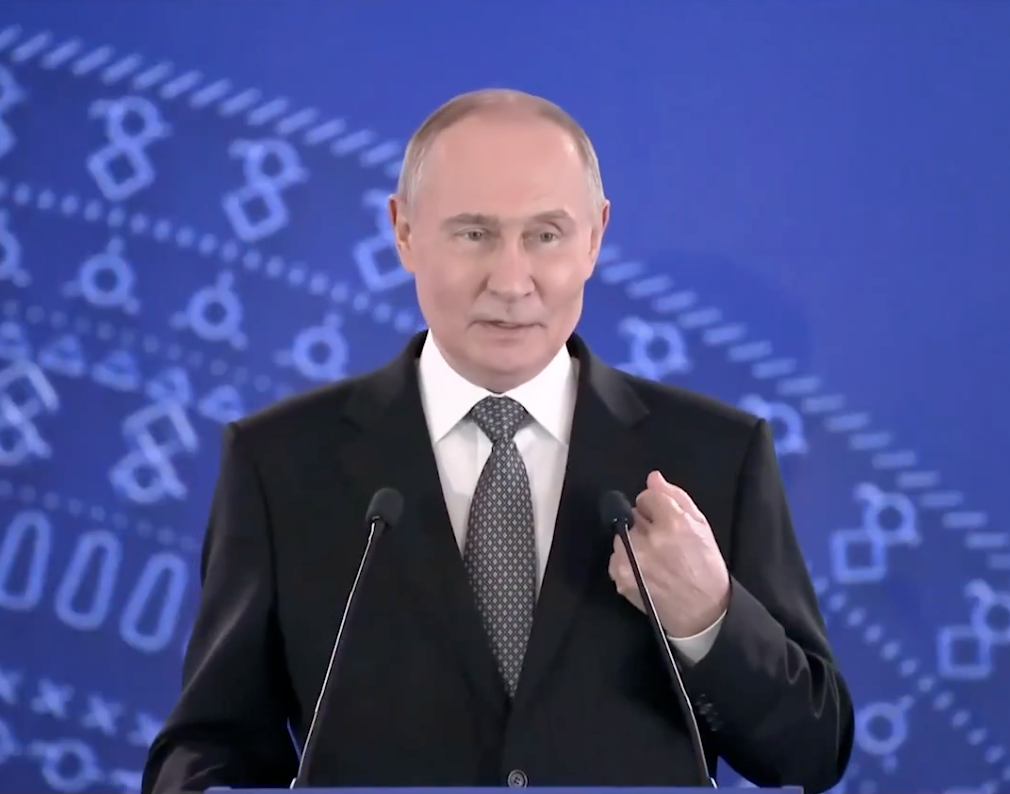
The world has undergone significant transformations since the era of the legendary Indian filmmaker Raj Kapoor. The Indian economy, in particular, has experienced tremendous growth and diversification, catapulting the country to the status of a global economic powerhouse. However, amidst these changes, some constants have endured, and one such constant is the friendship between India and Russia. This was aptly highlighted by Russian President Vladimir Putin during his recent visit to India, where he invoked the legacy of Raj Kapoor to emphasize the timelessness of the Indo-Russian friendship.
President Putin’s statement, “India’s economy has changed dramatically since Raj Kapoor’s era, but one thing has remained constant: friendship and shared commitment to cooperation,” resonates deeply with the people of both nations. It serves as a poignant reminder of the strong bond that has existed between India and Russia for decades, a bond that has been nurtured through mutual respect, trust, and cooperation. The reference to Raj Kapoor, a cinematic icon whose films transcended geographical boundaries and cultural differences, underscores the depth and breadth of this friendship.
Raj Kapoor, often referred to as the “Showman of Indian cinema,” was not only a celebrated filmmaker in India but also a global ambassador of Indian culture. His films, such as ‘Awaara’ (1951), ‘Shree 420’ (1955), and ‘Mera Naam Joker’ (1970), were not only critically acclaimed in India but also gained immense popularity in the USSR (now Russia) and other parts of the world. ‘Awaara’, in particular, was a huge hit in the Soviet Union, where it was released in 1954. The film’s themes of social justice, love, and the struggle of the common man resonated with Soviet audiences, making Raj Kapoor a household name in Russia.
The popularity of Raj Kapoor’s films in the USSR was not an isolated phenomenon but part of a broader cultural exchange between India and the Soviet Union. During the Cold War era, when the world was divided into ideological blocs, India and the USSR found common ground in their commitment to socialism, secularism, and anti-colonialism. This shared ideological space facilitated extensive cultural, scientific, and economic cooperation between the two nations. Indian films, particularly those of Raj Kapoor, were an integral part of this cultural exchange, helping to foster a sense of familiarity and friendship among the Soviet people.
President Putin’s invocation of Raj Kapoor’s legacy is, therefore, not merely a nostalgic gesture but a significant geopolitical statement. It acknowledges the historical foundations of the Indo-Russian relationship and reaffirms the commitment of both nations to strengthening their partnership in the contemporary world. The statement comes at a time when global politics is witnessing a significant shift, with the rise of new power centers and the reconfiguration of traditional alliances. In this context, the emphasis on the enduring nature of Indo-Russian friendship serves as a reminder of the stability and reliability that characterizes this relationship.
Moreover, President Putin’s reference to Raj Kapoor highlights the role of soft power in international relations. Soft power, which encompasses cultural, ideological, and institutional attractions, has become an increasingly important component of a nation’s foreign policy toolkit. The enduring popularity of Raj Kapoor’s films in Russia is a testament to the power of Indian cinema as a cultural ambassador, promoting Indian values, lifestyles, and perspectives to a global audience. This cultural diplomacy has played a crucial role in nurturing the Indo-Russian friendship, facilitating people-to-people contacts, and fostering a sense of mutual understanding and respect.
In conclusion, President Putin’s statement during his visit to India underscores the significance of the Indo-Russian friendship, a bond that has withstood the test of time and has been strengthened by cultural, economic, and strategic cooperation. The reference to Raj Kapoor’s legacy serves as a powerful symbol of this friendship, reminding us of the shared values, historical connections, and cultural affinities that underpin the relationship between India and Russia. As both nations navigate the complexities of the 21st century, the emphasis on this enduring friendship is a welcome reassurance of the stability and cooperation that defines Indo-Russian relations.
News Source: https://x.com/DDNewslive/status/1997262500354744821
About the Author