India changed since Raj Kapoor’s era but friendship remains: Putin
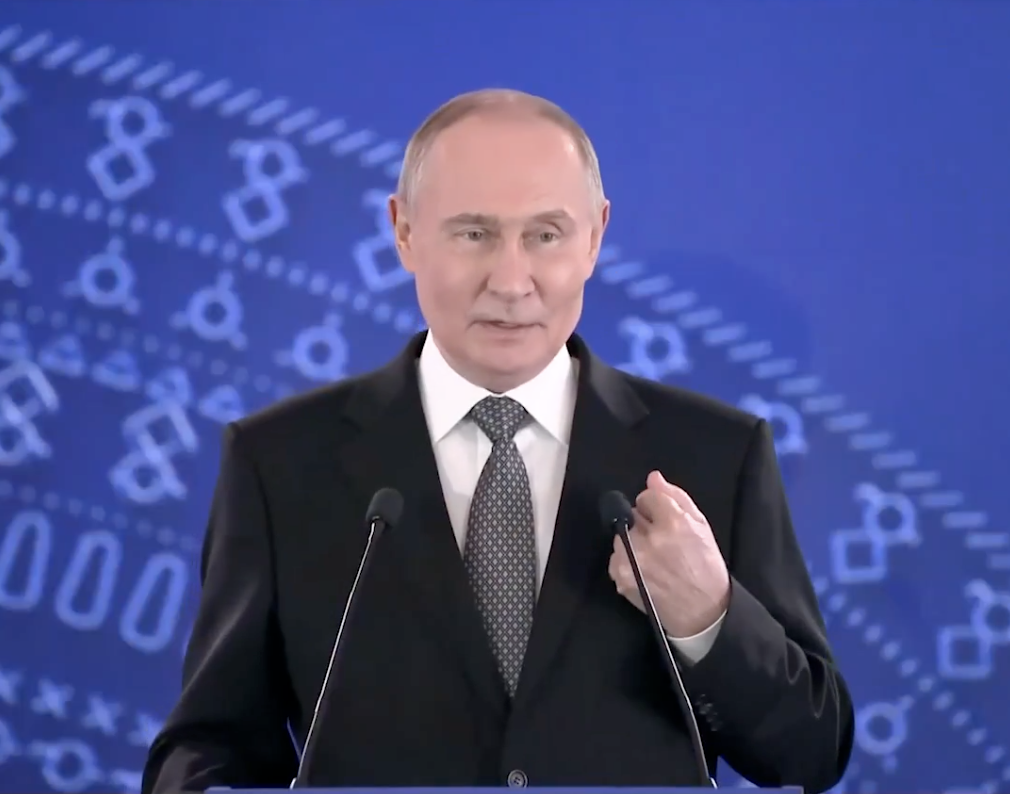
The world has witnessed significant transformations over the years, and India is no exception. The country has undergone drastic changes in various aspects, including its economy, technology, and cultural landscape. However, amidst all these changes, one thing has remained constant – the friendship between India and Russia. This was highlighted by Russian President Vladimir Putin during his recent visit to India, where he invoked the legacy of the legendary Indian filmmaker, Raj Kapoor.
Putin’s remarks were a testament to the enduring bond between the two nations, which has withstood the test of time. He noted that while India’s economy has changed dramatically since Raj Kapoor’s era, the friendship and shared commitment to cooperation between the two countries have remained unwavering. This statement holds significant importance, as it underscores the strong foundation of the Indo-Russian relationship, which has been built over the years through mutual trust, respect, and cooperation.
Raj Kapoor, often referred to as the “Showman of Indian cinema,” was a renowned filmmaker, actor, and director who made a profound impact on Indian cinema. His films, such as ‘Awaara’ (1951), ‘Shree 420’ (1955), and ‘Mera Naam Joker’ (1970), were not only hugely popular in India but also gained a significant following in the USSR. The Soviet Union, which was a close ally of India during the Cold War era, was particularly fond of Raj Kapoor’s films, which were seen as a reflection of the struggles and aspirations of the common man.
The popularity of Raj Kapoor’s films in the USSR was not limited to the entertainment value they provided. They also served as a cultural ambassador, promoting Indian values, traditions, and way of life to the Soviet audience. The films helped to foster a sense of mutual understanding and appreciation between the two nations, which was further strengthened by the diplomatic ties between India and the USSR.
Putin’s reference to Raj Kapoor’s era is significant, as it highlights the historical context of the Indo-Russian relationship. During the 1950s and 1960s, India and the USSR enjoyed a close and strategic partnership, which was based on shared ideological values and a commitment to cooperation. The two nations collaborated on various projects, including defense, space exploration, and economic development, which helped to lay the foundation for a strong and enduring relationship.
Over the years, the Indo-Russian relationship has evolved significantly, with both nations adapting to changing global circumstances. However, the core principles of friendship, mutual respect, and cooperation have remained intact. Today, India and Russia enjoy a multidimensional relationship, which encompasses areas such as defense, energy, trade, and culture.
The friendship between India and Russia has been further strengthened by the personal rapport between the leaders of the two nations. Putin’s visit to India is a testament to the strong personal bond between him and Indian Prime Minister Narendra Modi. The two leaders have met on several occasions, and their interactions have been marked by warmth, mutual respect, and a deep understanding of each other’s perspectives.
In conclusion, Putin’s remarks on the enduring friendship between India and Russia are a reminder of the strong foundation of the Indo-Russian relationship. While India has undergone significant changes since Raj Kapoor’s era, the bond between the two nations has remained constant. The legacy of Raj Kapoor’s films serves as a cultural bridge between India and Russia, promoting mutual understanding and appreciation between the two nations. As India and Russia continue to navigate the complexities of the modern world, their friendship and shared commitment to cooperation will remain a vital component of their relationship.
News Source: https://x.com/DDNewslive/status/1997262500354744821
About the Author