India changed since Raj Kapoor’s era but friendship remains: Putin
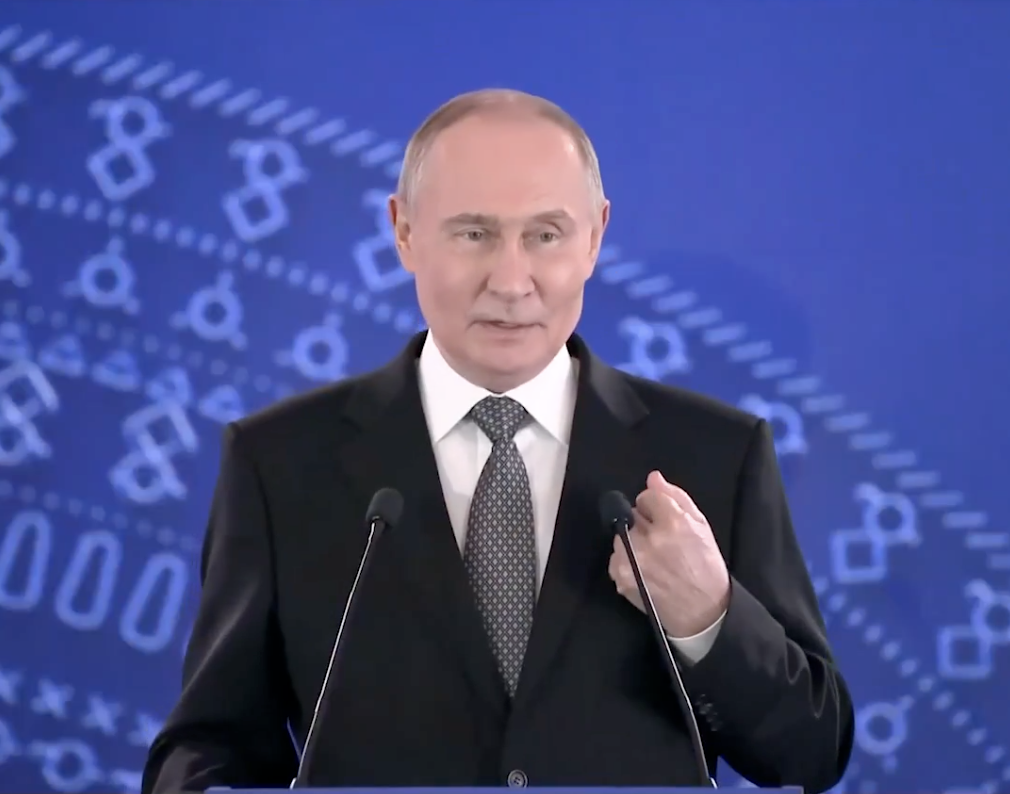
The world has undergone significant transformations since the era of legendary Indian filmmaker Raj Kapoor. The Indian economy, in particular, has experienced tremendous growth and development, becoming one of the fastest-growing major economies in the world. However, despite these changes, some things remain constant, and the friendship between India and Russia is one such enduring bond. This was highlighted by Russian President Vladimir Putin during his recent visit to India, where he invoked the legacy of Raj Kapoor to emphasize the strong ties between the two nations.
“India’s economy has changed dramatically since Raj Kapoor’s era, but one thing has remained constant: friendship and shared commitment to cooperation,” Putin said, reminiscing about the good old days when Raj Kapoor’s films were a rage in the USSR. Kapoor’s cinematic creations, such as ‘Awaara’ (1951), had a profound impact on the Soviet audience, transcending linguistic and cultural barriers to become an integral part of Russian popular culture.
Raj Kapoor’s films were not only entertaining but also carried a strong social message, resonating with the values of equality, justice, and human dignity that were at the core of the Soviet ideology. His movies often portrayed the struggles of the common man, the underdog, and the oppressed, striking a chord with the Russian people who had themselves experienced the hardships of revolution and war. The themes of love, friendship, and social justice that dominated Kapoor’s films continue to inspire audiences in both India and Russia, serving as a testament to the power of art to bridge cultural divides and foster global understanding.
The USSR was one of the first countries to recognize India’s independence, and the two nations have since shared a strong bond of friendship and cooperation. The Soviet Union was a major trading partner and a key ally of India during the Cold War era, providing significant economic and military aid to the country. The relationship between the two nations was built on the principles of mutual respect, trust, and a shared commitment to peace, justice, and human rights.
In recent years, India and Russia have continued to strengthen their ties, with a focus on trade, energy, defense, and technology cooperation. The two nations have signed several key agreements, including a nuclear energy deal and a joint venture to manufacture military helicopters in India. Russia has also been a strong supporter of India’s bid for permanent membership in the United Nations Security Council, recognizing the country’s growing global influence and its role as a major player in regional and international affairs.
The reference to Raj Kapoor’s era by President Putin serves as a reminder of the rich cultural heritage that India and Russia share. The two nations have a long history of cultural exchange, with Indian films, music, and dance being extremely popular in Russia. Similarly, Russian literature, art, and music have had a profound impact on Indian culture, with authors like Leo Tolstoy and Fyodor Dostoevsky being widely read and admired in India.
The friendship between India and Russia is not limited to the realm of culture; it is also reflected in the strong people-to-people ties between the two nations. There are over 10,000 Indian students studying in Russia, and many Russian students are pursuing higher education in India. The two nations have also established several cultural centers and exchange programs, facilitating the exchange of ideas, knowledge, and skills between Indian and Russian scholars, artists, and professionals.
In conclusion, the friendship between India and Russia is a testament to the power of diplomacy, cultural exchange, and people-to-people ties. Despite the many changes that have taken place in India since Raj Kapoor’s era, the bond between the two nations remains strong and enduring. As President Putin noted, “India’s economy has changed dramatically since Raj Kapoor’s era, but one thing has remained constant: friendship and shared commitment to cooperation.” This friendship is built on a foundation of mutual respect, trust, and a shared commitment to peace, justice, and human rights, and it will continue to be an important factor in shaping the course of global events in the years to come.
News source: https://x.com/DDNewslive/status/1997262500354744821
About the Author