India changed since Raj Kapoor’s era but friendship remains: Putin
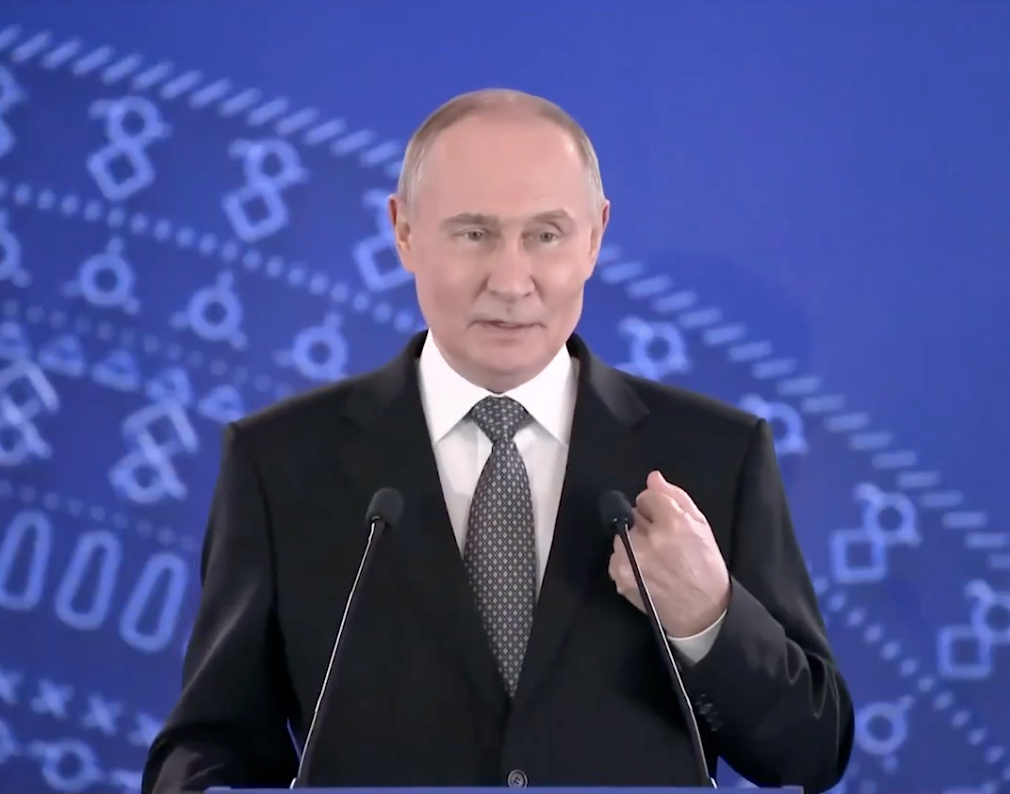
The world has undergone significant transformations since the era of the legendary Indian filmmaker, Raj Kapoor. The Indian economy, in particular, has experienced tremendous growth and modernization, making it one of the fastest-growing major economies globally. However, amidst these changes, one thing has remained constant – the friendship and shared commitment to cooperation between India and Russia. This was emphasized by Russian President Vladimir Putin during his recent visit to India, where he invoked the legacy of Raj Kapoor to highlight the enduring bond between the two nations.
Raj Kapoor, often referred to as the “Clark Gable of the Indian screen,” was a renowned filmmaker, actor, and director who played a significant role in popularizing Indian cinema globally. His films, such as ‘Awaara’ (1951), ‘Shree 420’ (1955), and ‘Mera Naam Joker’ (1970), were not only huge hits in India but also gained immense popularity in the USSR (now Russia) and other parts of the world. The themes of love, social justice, and the struggles of the common man resonated with audiences across cultures, making Raj Kapoor’s films a staple of international cinema.
During his visit, President Putin noted that “India’s economy has changed dramatically since Raj Kapoor’s era, but one thing has remained constant: friendship and shared commitment to cooperation.” This statement underscores the deep-rooted ties between India and Russia, which have withstood the test of time and have continued to flourish despite the changing global landscape. The two nations have a long history of cooperation in various fields, including defense, energy, space, and culture, and have consistently supported each other on the international stage.
The Soviet Union, in particular, had a special affinity for Indian cinema, with Raj Kapoor’s films being a major part of this cultural exchange. The USSR was one of the first countries to recognize Indian cinema’s potential, and Raj Kapoor’s films were among the first Indian movies to be screened in Soviet theaters. The popularity of Indian films in the USSR was so great that it led to the establishment of a dedicated Indian film festival in Moscow, which continues to this day.
The cultural exchange between India and the USSR was not limited to films alone. The two nations also collaborated in other areas, such as literature, music, and dance. Indian classical music and dance, in particular, were highly appreciated in the USSR, with many Indian artists performing to packed audiences in Soviet theaters. This cultural exchange helped to foster a deeper understanding and appreciation of each other’s traditions and values, laying the foundation for a strong and enduring friendship between the two nations.
Today, the India-Russia relationship continues to be characterized by mutual trust, respect, and cooperation. The two nations have a robust partnership in the field of defense, with Russia being one of India’s largest defense partners. They also cooperate closely in the energy sector, with Russia being a major supplier of oil and natural gas to India. In addition, the two nations have collaborated on several high-profile projects, including the development of the BrahMos supersonic cruise missile and the construction of the Kudankulam nuclear power plant in Tamil Nadu.
In recent years, India and Russia have also been working together to promote economic cooperation, particularly in the areas of trade and investment. The two nations have set a target of increasing bilateral trade to $30 billion by 2025, and have identified several key sectors, including energy, pharmaceuticals, and IT, for cooperation. They have also established a joint study group to explore the possibilities of cooperation in the field of transportation, including the development of a proposed rail link between India and Russia.
As President Putin noted, the friendship between India and Russia is a constant that has remained unchanged despite the many changes that have taken place in the world since Raj Kapoor’s era. This friendship is built on a foundation of mutual respect, trust, and cooperation, and has been nurtured over the years through a deep and abiding cultural exchange. As the world continues to evolve and new challenges emerge, the India-Russia relationship is likely to remain a vital and enduring partnership, one that will continue to play a significant role in shaping the course of global events.
In conclusion, the legacy of Raj Kapoor continues to inspire and influence the relationship between India and Russia, a testament to the power of art and culture to bring nations together. As President Putin’s visit to India has shown, the friendship between the two nations remains strong and vibrant, a constant in a world that is constantly changing. As we look to the future, it is clear that the India-Russia relationship will continue to be an important and enduring partnership, one that will help to shape the course of global events and promote peace, stability, and cooperation in the world.
News Source: https://x.com/DDNewslive/status/1997262500354744821
About the Author