In a U-turn, US says it won’t govern Venezuela
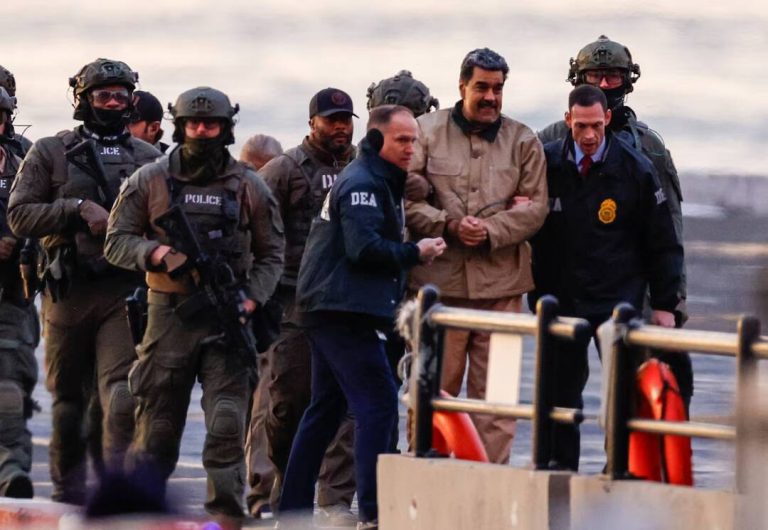
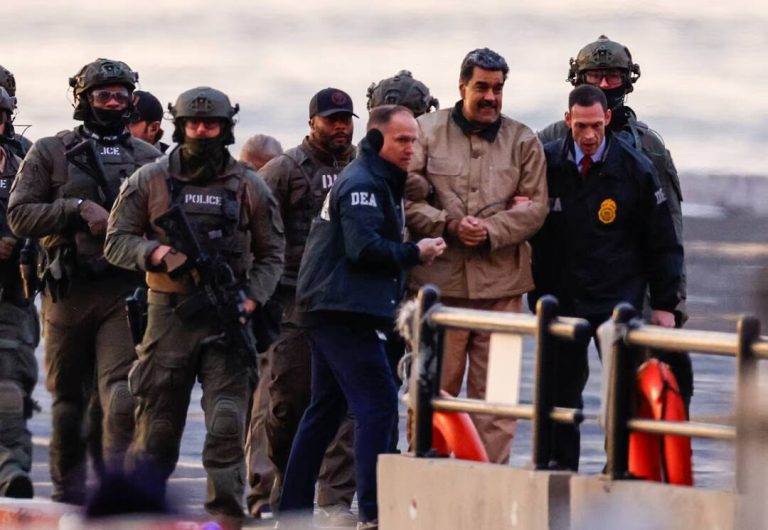
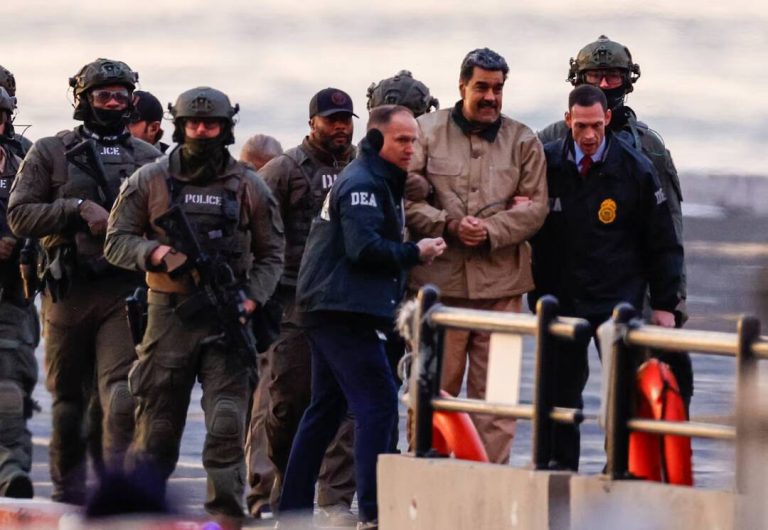
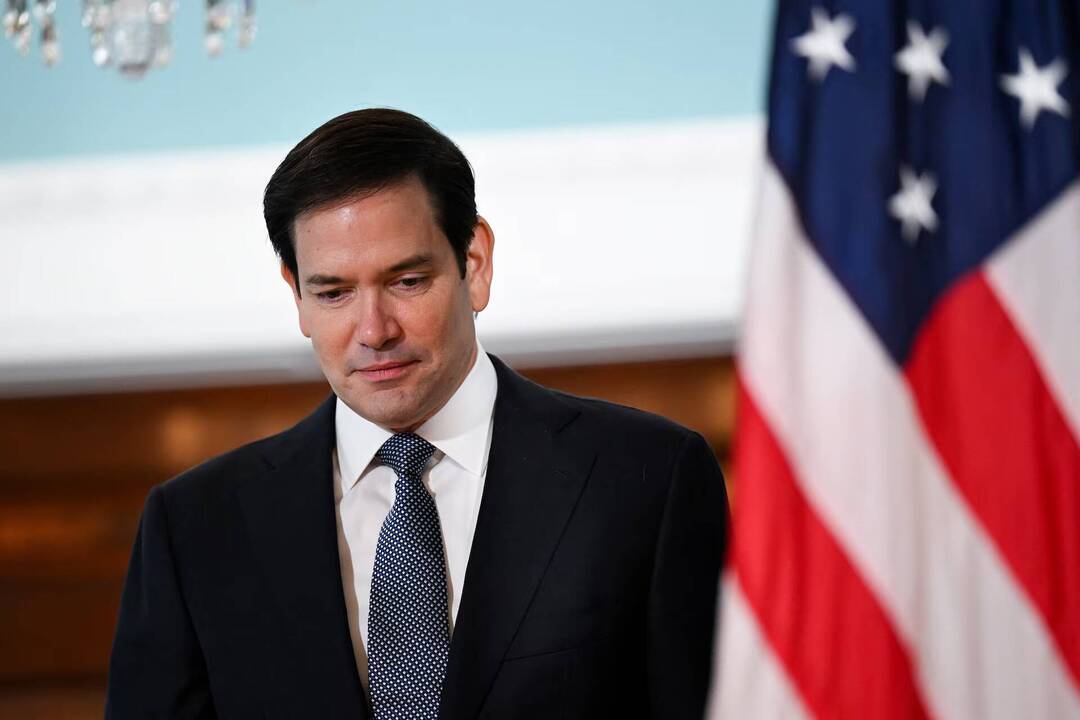
The United States has made a significant reversal in its stance on Venezuela, with Secretary of State Marco Rubio announcing on Sunday that the country will not take a day-to-day role in governing Venezuela. This statement comes as a surprise, given that just a day earlier, US President Donald Trump had suggested that the US would be running Venezuela following the ouster of leader Nicolas Maduro. The sudden change in stance has left many wondering about the future of US-Venezuela relations and the implications of this U-turn.
On Saturday, President Trump had stated that the US would be taking control of Venezuela, which sparked widespread concern and criticism from various quarters. However, Secretary of State Marco Rubio has now clarified that the US will not be involved in the day-to-day governance of Venezuela. Instead, the US will focus on enforcing an existing “oil quarantine” on the country. This quarantine is aimed at restricting Venezuela’s oil exports, which are a significant source of revenue for the country.
The US has been a vocal critic of the Maduro regime, and has been actively supporting the opposition leader Juan Guaido, who has declared himself the interim president of Venezuela. The US, along with several other countries, has recognized Guaido as the legitimate leader of Venezuela, while Maduro has been backed by countries such as Russia, China, and Cuba.
The oil quarantine is a key aspect of the US strategy to pressure the Maduro regime into stepping down. By restricting Venezuela’s oil exports, the US aims to cripple the country’s economy and force Maduro to relinquish power. The US has already imposed significant sanctions on Venezuela, including a ban on US companies doing business with the state-owned oil company, PDVSA.
The U-turn by the US has significant implications for Venezuela and the wider region. The country is already facing a severe economic crisis, with hyperinflation, food shortages, and a lack of basic services. The oil quarantine is likely to exacerbate the crisis, and could lead to further instability and unrest in the country.
The international community is watching the situation in Venezuela closely, and many countries have expressed concern about the potential for US intervention in the country. The US has a history of intervening in Latin American countries, and the prospect of US involvement in Venezuela has sparked fears of a repeat of past interventions.
Despite the U-turn, the US is likely to continue to play a significant role in Venezuela’s future. The country’s economic and political crisis is deep-seated, and will require a sustained effort to resolve. The US, along with other countries, will need to work with the Venezuelan people and the international community to find a solution to the crisis.
In the short term, the US will focus on enforcing the oil quarantine and supporting the opposition leader Juan Guaido. The US will also work with other countries to provide humanitarian aid to Venezuela, which is facing a severe shortage of food, medicine, and other basic supplies.
In the long term, the US will need to work with the Venezuelan people to build a stable and democratic government. This will require a sustained effort to support the country’s institutions, including the judiciary, the legislature, and the electoral system. The US will also need to work with the international community to provide economic support to Venezuela, including investment, trade, and aid.
In conclusion, the U-turn by the US on Venezuela is a significant development, and has implications for the country’s future. The US will not be taking a day-to-day role in governing Venezuela, but will instead focus on enforcing an oil quarantine and supporting the opposition leader Juan Guaido. The international community will be watching the situation in Venezuela closely, and will need to work together to find a solution to the country’s economic and political crisis.
About the Author