In a U-turn, US says it won’t govern Venezuela
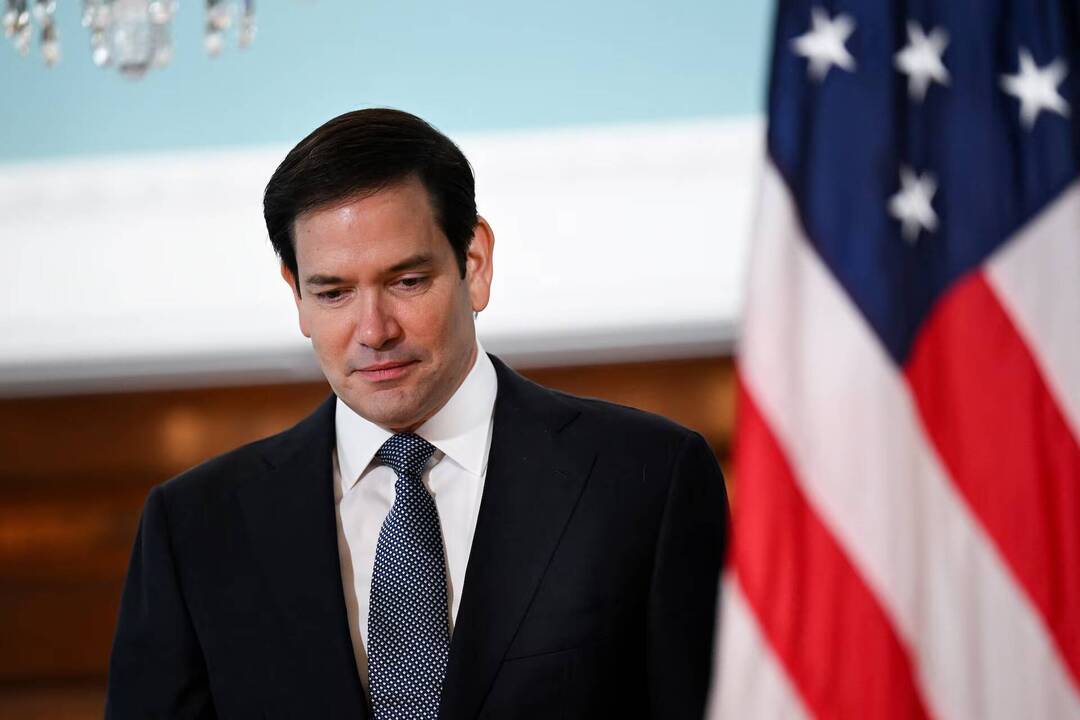
The United States has made a sudden reversal in its stance on Venezuela, with Secretary of State Marco Rubio announcing on Sunday that the country would not be taking a day-to-day role in governing the South American nation. This statement comes as a surprise, especially given the comments made by US President Donald Trump just a day earlier. On Saturday, Trump stated that the US would be “running” Venezuela following the ouster of leader Nicolas Maduro.
Rubio’s announcement serves as a walk-back of Trump’s claim, and it is likely an attempt to clarify the US’s position on Venezuela. According to Rubio, the US would instead focus on enforcing an existing “oil quarantine” on Venezuela, which would limit the country’s ability to export oil. This move is seen as a way to increase pressure on the Maduro regime, which has been facing widespread criticism for its handling of the country’s economic and humanitarian crisis.
The situation in Venezuela has been deteriorating rapidly over the past few years, with the country facing severe shortages of food, medicine, and other essential goods. The crisis has led to a massive migration of Venezuelans to neighboring countries, with many seeking refuge in Colombia, Peru, and Ecuador. The international community has been calling for a resolution to the crisis, with many countries recognizing opposition leader Juan Guaido as the legitimate president of Venezuela.
The US has been a key player in the efforts to pressure the Maduro regime, with the Trump administration imposing sanctions on Venezuelan officials and entities. The US has also been providing humanitarian aid to Venezuela, although the delivery of this aid has been hindered by the Maduro regime. The “oil quarantine” announced by Rubio is seen as a further escalation of these efforts, and it is likely to have significant consequences for the Venezuelan economy.
The impact of the “oil quarantine” on Venezuela’s economy cannot be overstated. Venezuela is heavily reliant on oil exports, which account for the vast majority of the country’s revenue. By limiting the country’s ability to export oil, the US is effectively cutting off the regime’s main source of funding. This move is likely to exacerbate the country’s economic crisis, and it may even lead to a collapse of the regime.
However, the “oil quarantine” also raises concerns about the potential humanitarian consequences. Venezuela is already facing severe shortages of food and medicine, and the loss of oil revenue is likely to make the situation even worse. The US and other countries will need to be careful to ensure that any efforts to pressure the Maduro regime do not inadvertently harm the Venezuelan people.
In addition to the “oil quarantine”, the US is also considering other options for increasing pressure on the Maduro regime. These may include further sanctions on Venezuelan officials and entities, as well as support for opposition leader Juan Guaido. The US is also working with other countries in the region to develop a coordinated approach to the crisis, and it is likely that we will see further developments in the coming weeks and months.
The situation in Venezuela is complex and multifaceted, and it will require a sustained and coordinated effort to resolve. The US and other countries will need to work together to provide humanitarian aid, support the opposition, and increase pressure on the Maduro regime. It is a challenging task, but it is one that is essential for the well-being of the Venezuelan people.
In conclusion, the US’s reversal on its stance on Venezuela is a significant development in the ongoing crisis. The announcement by Marco Rubio that the US would not be taking a day-to-day role in governing Venezuela is a clarification of the US’s position, and it is likely an attempt to increase pressure on the Maduro regime. The “oil quarantine” announced by Rubio is a further escalation of these efforts, and it is likely to have significant consequences for the Venezuelan economy. As the situation continues to unfold, it is essential that the US and other countries prioritize the well-being of the Venezuelan people and work towards a peaceful resolution to the crisis.
About the Author