In a U-turn, US says it won’t govern Venezuela
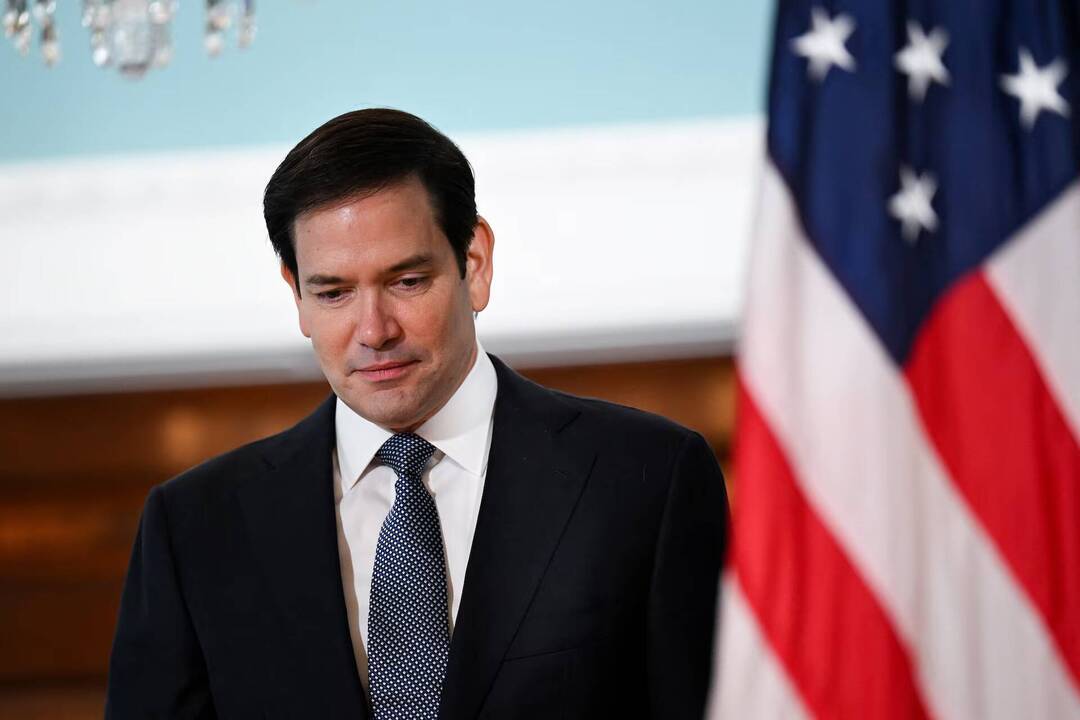
The United States has made a significant reversal in its stance on Venezuela, with Secretary of State Marco Rubio suggesting that the country will not take a day-to-day role in governing the South American nation. This comes after US President Donald Trump stated on Saturday that the US would be running Venezuela following the ouster of leader Nicolas Maduro. The sudden shift in policy has raised eyebrows and sparked debate about the US’s intentions in the region.
On Sunday, Rubio clarified the US’s position, stating that the country would not be involved in the daily governance of Venezuela. Instead, the US would focus on enforcing an existing “oil quarantine” on the country. This move is seen as an attempt to strangle the Venezuelan economy, which is heavily reliant on oil exports. The US has been a key player in the international community’s efforts to pressure Maduro to step down, and the oil quarantine is a significant escalation of these efforts.
The US’s initial announcement that it would be running Venezuela sparked widespread concern and criticism. Many saw this as a brazen attempt to impose US control over a sovereign nation, and there were fears that this could lead to a protracted and bloody conflict. The international community was quick to condemn the US’s stance, with many countries expressing concerns about the implications of such a move.
However, with Rubio’s clarification, it appears that the US is backing away from this position. The US is instead opting to focus on economic pressure, using the oil quarantine to try and force Maduro’s government to the negotiating table. This approach is seen as a more measured and diplomatic way of addressing the crisis in Venezuela, and it is likely to be viewed more favorably by the international community.
The crisis in Venezuela has been ongoing for several years, with the country plagued by hyperinflation, food and medicine shortages, and a general collapse of the economy. The situation has been exacerbated by a bitter political divide, with Maduro’s government facing opposition from a broad coalition of parties and civil society groups. The US has been a key supporter of the opposition, and has imposed significant economic sanctions on the country in an attempt to pressure Maduro to step down.
The US’s decision to enforce an oil quarantine on Venezuela is a significant escalation of these sanctions. Venezuela is heavily reliant on oil exports, and the loss of revenue from these exports will likely have a devastating impact on the country’s economy. The US is hoping that this will force Maduro’s government to the negotiating table, and will ultimately lead to a transition to a more democratic and stable government.
However, there are concerns that the oil quarantine could have unintended consequences. The Venezuelan economy is already on the brink of collapse, and the loss of oil revenue could push the country into a full-blown humanitarian crisis. There are also fears that the quarantine could lead to a surge in oil prices, which could have a negative impact on the global economy.
Despite these concerns, the US appears to be committed to its course of action. The US has been working closely with other countries in the region, including Colombia and Brazil, to build a coalition of support for the opposition in Venezuela. The US is also providing significant financial and humanitarian aid to the country, in an attempt to alleviate the suffering of the Venezuelan people.
In conclusion, the US’s decision not to govern Venezuela is a significant reversal of its previous stance. The country’s decision to enforce an oil quarantine on Venezuela is a more measured approach, and it is likely to be viewed more favorably by the international community. However, there are still concerns about the implications of this move, and the potential consequences for the Venezuelan people. As the situation continues to unfold, it is likely that the US will face significant challenges and criticisms, and it will be important for the country to carefully consider its next steps.
The US’s actions in Venezuela are a complex and multifaceted issue, and there are no easy answers. However, it is clear that the country’s decision to enforce an oil quarantine is a significant escalation of the crisis, and it will have far-reaching consequences for the region. As the international community continues to watch the situation unfold, it is likely that the US will face significant pressure to justify its actions, and to demonstrate that its approach is in the best interests of the Venezuelan people.
For now, the situation in Venezuela remains uncertain and volatile. The US’s decision to enforce an oil quarantine is a significant development, and it will be important to watch how the situation unfolds in the coming days and weeks. One thing is certain, however: the crisis in Venezuela is far from over, and it will require a sustained and coordinated effort from the international community to resolve.
About the Author