In a U-turn, US says it won’t govern Venezuela
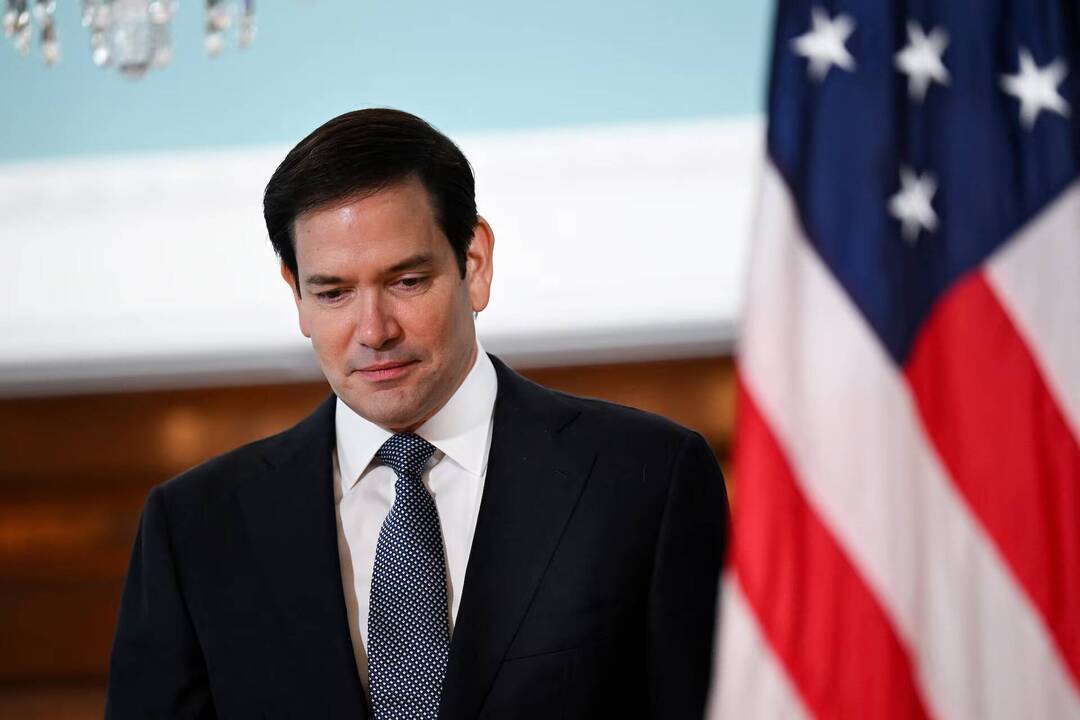
The United States has made a significant reversal in its stance on Venezuela, with Secretary of State Marco Rubio suggesting that the country will not take a day-to-day role in governing the South American nation. This comes after US President Donald Trump stated on Saturday that the US would be running Venezuela following the ouster of leader Nicolas Maduro. The sudden change in tone has raised eyebrows and sparked debate about the US’s true intentions in Venezuela.
On Saturday, President Trump made a bold statement, claiming that the US would be taking control of Venezuela. This statement was met with widespread criticism, with many accusing the US of attempting to impose its will on a sovereign nation. However, just a day later, Secretary of State Marco Rubio seemed to walk back the President’s comments, stating that the US would not be involved in the day-to-day governance of Venezuela.
Instead, Rubio emphasized that the US would focus on enforcing an existing “oil quarantine” on Venezuela. This move is aimed at crippling the Venezuelan economy, which is heavily reliant on oil exports. The US has been a key player in the international community’s efforts to pressure Maduro to step down, and the oil quarantine is seen as a key tactic in this strategy.
The U-turn by the US has left many wondering about the true intentions of the Trump administration. On one hand, the US has been a vocal critic of Maduro’s regime, accusing him of human rights abuses and economic mismanagement. The US has also been a key supporter of Juan Guaido, the opposition leader who has declared himself the interim president of Venezuela.
On the other hand, the US’s sudden reversal on governing Venezuela has raised questions about the country’s commitment to democracy and self-determination. Many have accused the US of attempting to impose its will on Venezuela, and the initial statement by President Trump seemed to confirm these fears.
The situation in Venezuela is complex and multifaceted. The country has been plagued by economic crisis, with hyperinflation and food shortages affecting millions of people. The political situation is also highly polarized, with Maduro’s regime facing opposition from a broad coalition of parties and civil society groups.
The international community has been divided on how to respond to the crisis in Venezuela. Some countries, such as the US, have taken a hardline stance against Maduro, while others, such as China and Russia, have continued to support the embattled leader.
The US’s decision to enforce an oil quarantine on Venezuela is likely to have significant consequences for the country. Venezuela is heavily reliant on oil exports, and the loss of revenue from these exports will likely exacerbate the country’s economic crisis. The move is also likely to have a significant impact on the global oil market, with Venezuela being a major oil producer.
In conclusion, the US’s U-turn on governing Venezuela has significant implications for the country and the wider region. While the US’s decision to enforce an oil quarantine on Venezuela is likely to have significant consequences, it is also a reminder of the complexities and challenges of international diplomacy. The situation in Venezuela is a stark reminder of the need for careful and nuanced diplomacy, and the importance of respecting the sovereignty and self-determination of nations.
As the situation in Venezuela continues to unfold, it is clear that the US’s role will be closely watched. The country’s decision to reverse its stance on governing Venezuela is a significant development, and one that will have far-reaching consequences. One thing is certain, however: the US’s actions in Venezuela will have a significant impact on the country and the wider region, and it is essential that the country’s sovereignty and self-determination are respected.
The US’s stance on Venezuela is a complex and multifaceted issue, and one that requires careful consideration and analysis. As the situation continues to evolve, it is essential that the international community comes together to support the people of Venezuela and promote a peaceful and democratic resolution to the crisis.
For now, the US’s decision to enforce an oil quarantine on Venezuela is a significant development, and one that will have far-reaching consequences. The country’s reversal on governing Venezuela is a reminder of the complexities and challenges of international diplomacy, and the importance of respecting the sovereignty and self-determination of nations.
About the Author