In a U-turn, US says it won’t govern Venezuela
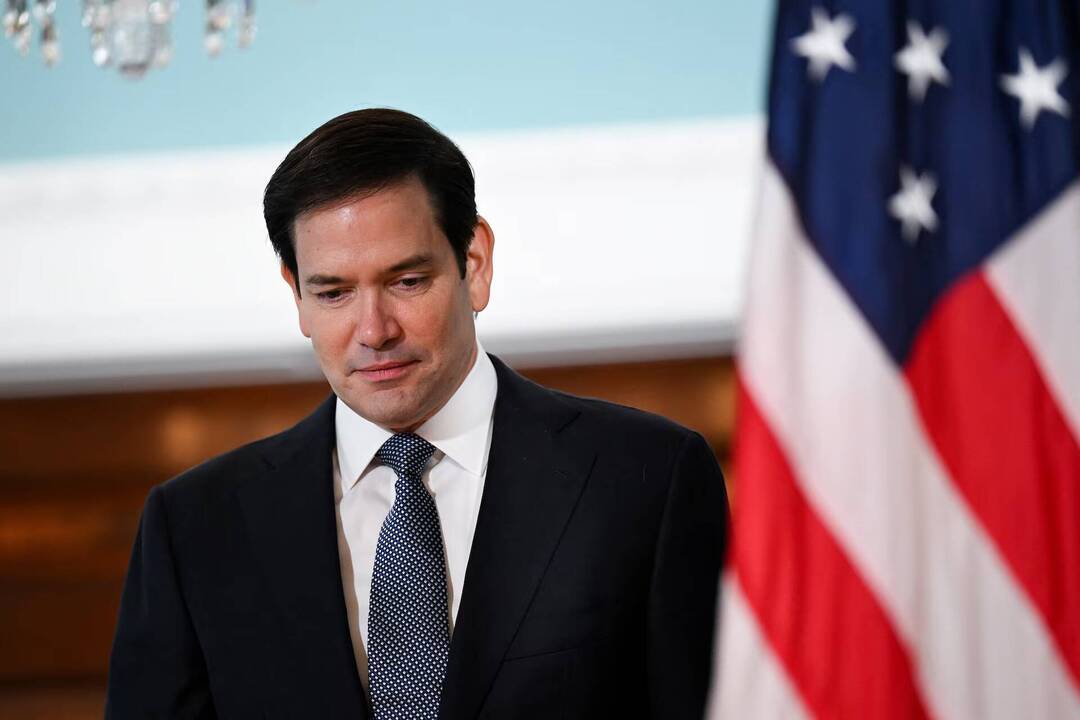
The United States has made a significant reversal in its stance on Venezuela, with US Secretary of State Marco Rubio announcing on Sunday that the country would not take a day-to-day role in governing Venezuela. This statement comes as a surprise, given that just a day earlier, US President Donald Trump had stated that the US would be running Venezuela following the ouster of leader Nicolas Maduro.
The situation in Venezuela has been tumultuous for some time, with the country plagued by economic instability, food and medicine shortages, and a deepening humanitarian crisis. The international community has been watching with bated breath as the country teeters on the brink of collapse. The US, in particular, has been vocal in its criticism of the Maduro regime, with the Trump administration imposing sanctions and taking other measures to pressure the government into reform.
However, the idea of the US taking a direct role in governing Venezuela was met with skepticism and concern from many quarters. The notion of a foreign power intervening in the internal affairs of a sovereign nation is always a contentious issue, and the US has a long and complex history of interventionism in Latin America.
Rubio’s statement on Sunday appears to be an attempt to walk back Trump’s comments and reassure the international community that the US is not seeking to impose its will on Venezuela. Instead, the US will focus on enforcing an existing “oil quarantine” on the country, which is designed to prevent the Maduro regime from accessing oil revenues.
The oil quarantine is a key component of the US strategy to pressure the Maduro regime into reform. By restricting Venezuela’s access to oil revenues, the US hopes to limit the government’s ability to fund its military and security forces, and to create economic pressure that will force the regime to negotiate with the opposition.
The opposition in Venezuela, led by Juan Guaido, has been recognized by the US and many other countries as the legitimate government of the country. Guaido has been working to build a coalition of support among Venezuelan citizens and the international community, with the goal of eventually removing Maduro from power and establishing a new, democratic government.
The US has been a key supporter of Guaido and the opposition, providing diplomatic and economic backing to their efforts. However, the US has also been criticized for its heavy-handed approach, with some arguing that the Trump administration’s aggressive rhetoric and actions have actually strengthened Maduro’s position and undermined the opposition.
Rubio’s statement on Sunday suggests that the US is seeking to take a more nuanced approach, one that balances the need to pressure the Maduro regime with the need to support the Venezuelan people. By enforcing the oil quarantine and providing humanitarian aid, the US hopes to create conditions that will allow the Venezuelan people to determine their own future, without the need for external intervention.
The situation in Venezuela remains highly uncertain, and it is unclear what the future holds for the country. However, one thing is clear: the US will play a significant role in shaping the course of events, and its actions will have far-reaching consequences for the people of Venezuela and the wider region.
As the US navigates this complex and challenging situation, it is essential that it takes a thoughtful and considered approach, one that prioritizes the needs and interests of the Venezuelan people. By doing so, the US can help to create a more stable and prosperous future for Venezuela, and demonstrate its commitment to the values of democracy, human rights, and self-determination.
In conclusion, the US has made a significant U-turn in its stance on Venezuela, with Secretary of State Marco Rubio announcing that the country will not take a day-to-day role in governing Venezuela. Instead, the US will focus on enforcing an existing “oil quarantine” and providing humanitarian aid to the Venezuelan people. As the situation in Venezuela continues to evolve, it is essential that the US takes a nuanced and considered approach, one that prioritizes the needs and interests of the Venezuelan people.
About the Author