In a U-turn, US says it won’t govern Venezuela
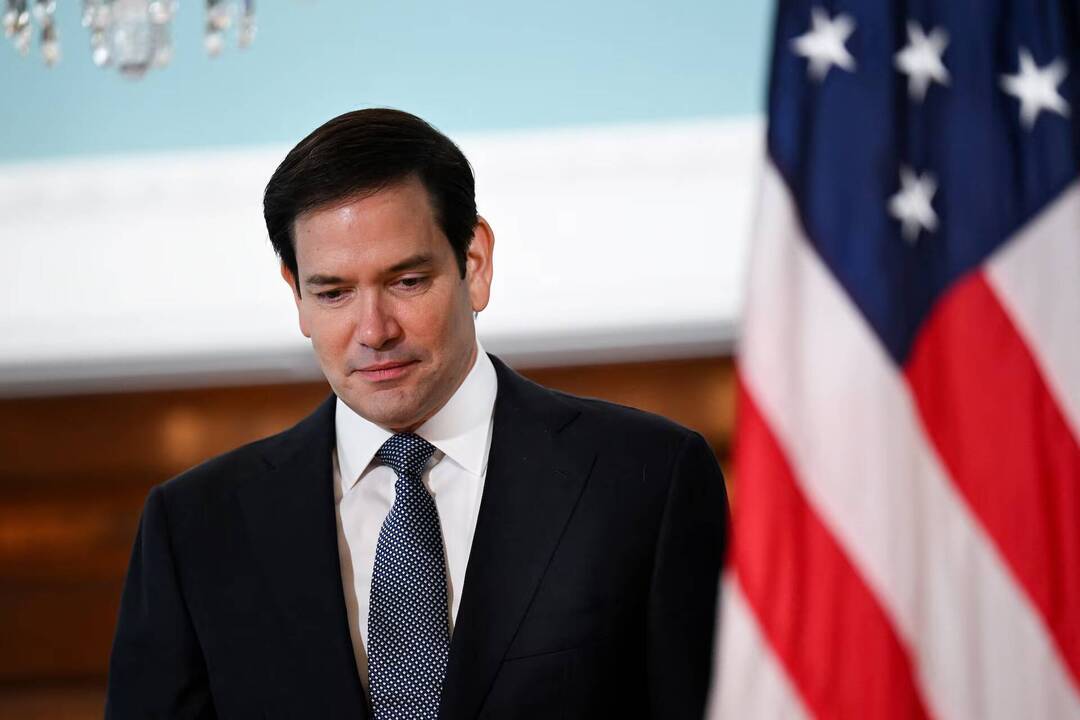
The United States has made a significant reversal in its stance on Venezuela, with Secretary of State Marco Rubio suggesting that the country will not take a day-to-day role in governing the South American nation. This statement comes as a surprise, especially after US President Donald Trump’s comments on Saturday, where he stated that the United States would be running Venezuela following the ouster of leader Nicolas Maduro.
The situation in Venezuela has been tumultuous for quite some time, with the country facing severe economic and humanitarian crises. The opposition, led by Juan Guaido, has been trying to overthrow the Maduro government, which has been accused of human rights abuses and corruption. The international community, including the United States, has been watching the situation closely, with many countries recognizing Guaido as the legitimate leader of Venezuela.
However, the US President’s comments on Saturday sparked concerns about the potential for US intervention in Venezuela. Trump’s statement that the US would be running Venezuela was seen as a significant escalation of the situation, and many wondered what this would mean for the country’s sovereignty and the role of the US in the region.
But on Sunday, Rubio seemed to walk back on Trump’s comments, stating that the US would not be taking a day-to-day role in governing Venezuela. Instead, the US would focus on enforcing an existing “oil quarantine” on the country. This move is aimed at putting pressure on the Maduro government, which is heavily reliant on oil exports for its revenue.
The oil quarantine is a significant move, as it would severely limit Venezuela’s ability to export oil, which is its main source of revenue. The US has already imposed sanctions on Venezuela’s state-owned oil company, PDVSA, and has been working to prevent other countries from buying Venezuelan oil. The enforcement of the oil quarantine would be a further escalation of these efforts, and would likely have a significant impact on the Venezuelan economy.
Rubio’s comments are a significant shift in the US stance on Venezuela, and suggest that the country is looking to take a more nuanced approach to the situation. While the US is clearly opposed to the Maduro government and is working to support the opposition, it appears that it is not looking to take a direct role in governing the country.
This approach is likely to be seen as a more measured and sustainable way to address the situation in Venezuela. By enforcing the oil quarantine and working to support the opposition, the US can put pressure on the Maduro government without taking on the responsibilities of governing the country. This approach also recognizes the importance of Venezuelan sovereignty and the need for the country to determine its own future.
The situation in Venezuela is complex and multifaceted, and there are no easy solutions. However, by taking a more nuanced approach, the US can help to support the Venezuelan people and promote a peaceful resolution to the crisis. The enforcement of the oil quarantine is a significant move, and it will be important to watch how the situation develops in the coming days and weeks.
In conclusion, the US has made a significant reversal in its stance on Venezuela, with Secretary of State Marco Rubio suggesting that the country will not take a day-to-day role in governing the South American nation. Instead, the US will focus on enforcing an existing “oil quarantine” on Venezuela, in an effort to put pressure on the Maduro government. This approach is a more measured and sustainable way to address the situation in Venezuela, and recognizes the importance of Venezuelan sovereignty.
The US has been clear in its opposition to the Maduro government, and has been working to support the opposition. However, by taking a more nuanced approach, the US can help to promote a peaceful resolution to the crisis and support the Venezuelan people. The situation in Venezuela is complex and multifaceted, and it will be important to watch how the situation develops in the coming days and weeks.
As the situation continues to unfold, it will be important to consider the potential implications of the US actions. The enforcement of the oil quarantine is a significant move, and it will likely have a major impact on the Venezuelan economy. However, it is also important to consider the potential risks and unintended consequences of such an action.
Ultimately, the goal of the US and the international community should be to support the Venezuelan people and promote a peaceful resolution to the crisis. By taking a more nuanced approach and working to support the opposition, the US can help to achieve this goal and promote a more stable and prosperous future for Venezuela.
About the Author