In a U-turn, US says it won’t govern Venezuela
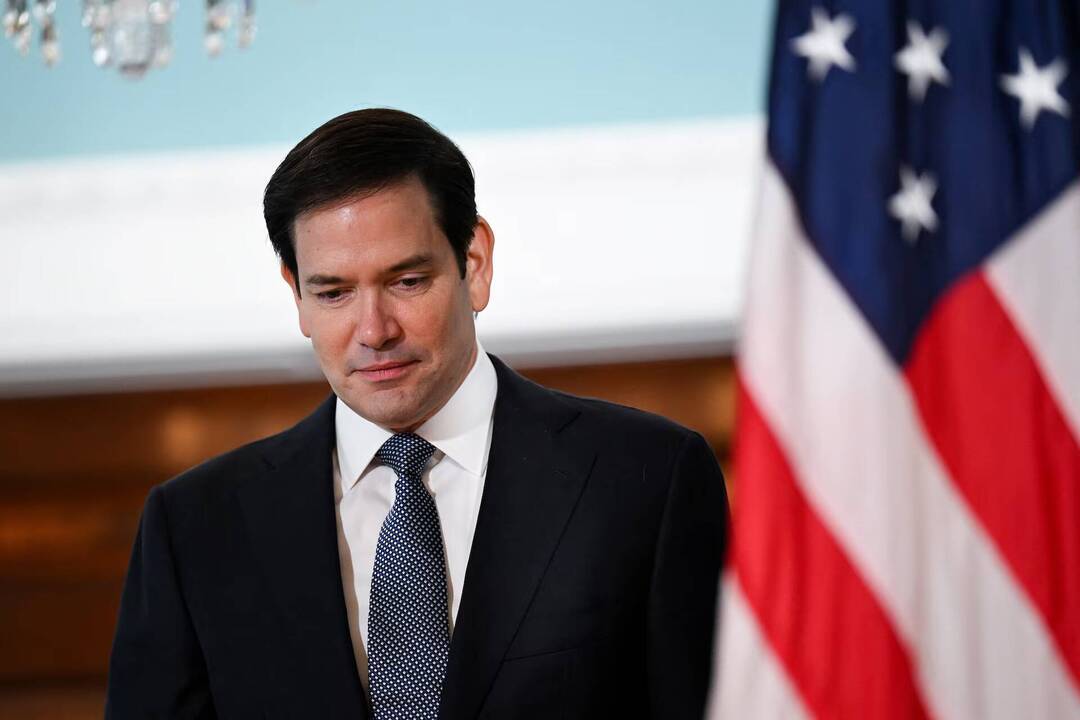
The United States has made a significant reversal in its stance on Venezuela, with Secretary of State Marco Rubio suggesting that the country will not take a day-to-day role in governing the South American nation. This comes after US President Donald Trump stated on Saturday that the US would be running Venezuela following the ouster of leader Nicolas Maduro. The sudden change in stance has raised eyebrows, with many wondering what prompted the U-turn.
On Saturday, President Trump made a statement that sent shockwaves around the world, saying that the US would be in charge of Venezuela after Maduro’s departure. This statement was seen as a significant escalation of the US’s involvement in the Venezuelan crisis, which has been ongoing for several years. However, just a day later, Secretary of State Marco Rubio walked back on the President’s claim, stating that the US would not be governing Venezuela on a day-to-day basis.
Rubio’s statement was a clear attempt to clarify the US’s position on Venezuela, which had been muddled by the President’s earlier statement. According to Rubio, the US would instead focus on enforcing an existing “oil quarantine” on Venezuela, which aims to limit the country’s oil exports and put pressure on the Maduro regime. This move is seen as an attempt to weaken the regime and pave the way for a transition to a new government.
The US’s involvement in Venezuela has been a contentious issue for several years, with the country’s economic and humanitarian crisis deepening by the day. The US has been a vocal critic of the Maduro regime, which it sees as authoritarian and corrupt. However, the US’s attempts to intervene in the crisis have been met with resistance from other countries in the region, which are wary of US interference in their affairs.
The latest development in the crisis has raised questions about the US’s true intentions in Venezuela. While the US claims that its goal is to support the Venezuelan people and promote democracy, others see its actions as a thinly veiled attempt to exert control over the country’s oil resources. Venezuela has the largest oil reserves in the world, and the US has long been interested in gaining access to these resources.
The “oil quarantine” that the US plans to enforce is a key part of its strategy to put pressure on the Maduro regime. By limiting Venezuela’s oil exports, the US hopes to weaken the regime and make it more difficult for it to maintain its grip on power. However, this move is also likely to have significant humanitarian consequences, as Venezuela’s economy is heavily dependent on oil exports.
The impact of the “oil quarantine” on the Venezuelan people is likely to be severe. The country is already experiencing a severe economic crisis, with widespread poverty, hunger, and shortages of basic goods. The loss of oil revenue will only exacerbate these problems, making it even more difficult for the Venezuelan people to access the basic necessities of life.
Despite the potential humanitarian consequences, the US appears determined to push ahead with its plan to enforce the “oil quarantine”. According to Secretary of State Rubio, the US will work with other countries in the region to implement the quarantine, which will involve blocking Venezuelan oil exports and preventing other countries from importing Venezuelan oil.
The US’s actions in Venezuela have been widely criticized by other countries in the region, which see the US’s involvement as a form of imperialism. The Venezuelan government has also condemned the US’s actions, saying that they are an attempt to strangle the country’s economy and undermine its sovereignty.
As the crisis in Venezuela deepens, it remains to be seen how the US’s actions will play out. While the US claims that its goal is to support the Venezuelan people, its actions are likely to have significant and far-reaching consequences for the country and the region as a whole. One thing is certain, however: the US’s involvement in Venezuela is likely to be a major factor in shaping the country’s future, and it is imperative that the international community pays close attention to developments in the region.
In conclusion, the US’s U-turn on governing Venezuela is a significant development in the ongoing crisis. While the US claims that its goal is to support the Venezuelan people, its actions are likely to have significant humanitarian consequences. As the situation continues to unfold, it is essential that the international community remains vigilant and works to promote a peaceful and democratic resolution to the crisis.
About the Author