In a U-turn, US says it won’t govern Venezuela
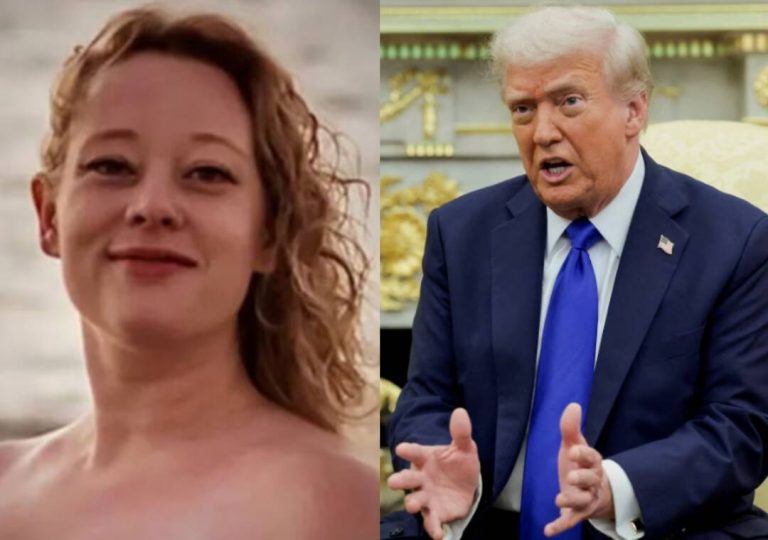
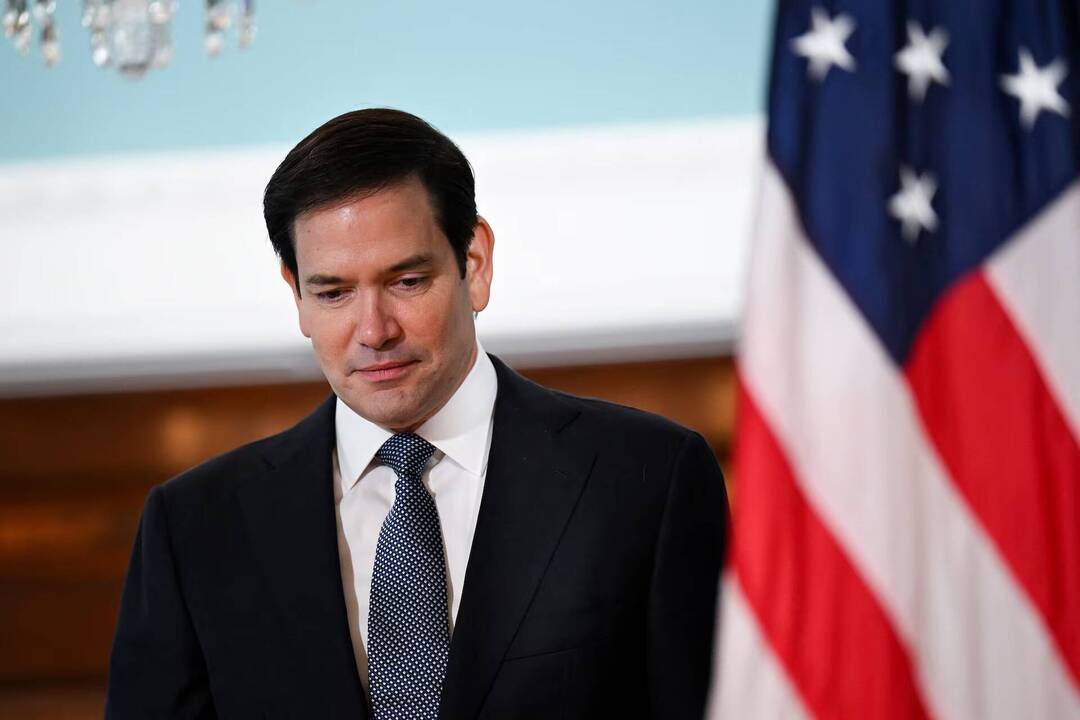
The United States has made a significant reversal in its stance on Venezuela, with Secretary of State Marco Rubio suggesting that the country will not take a day-to-day role in governing the South American nation. This statement comes after US President Donald Trump’s claim on Saturday that the US would be running Venezuela following the ouster of leader Nicolas Maduro. The sudden change in position has sparked curiosity and raised questions about the US’s intentions in the region.
On Sunday, Rubio stated that the US would not be involved in the daily governance of Venezuela, instead focusing on enforcing an existing “oil quarantine” on the country. This quarantine is aimed at limiting Venezuela’s oil exports, which are a crucial source of revenue for the Maduro regime. By enforcing this quarantine, the US hopes to weaken the regime’s grip on power and pave the way for a transition to a new government.
The US’s initial intention to govern Venezuela, as stated by President Trump, was met with skepticism and concern from many quarters. The idea of a foreign power taking control of a sovereign nation’s governance is a complex and sensitive issue, and many wondered how the US planned to achieve this without sparking widespread resistance and potentially destabilizing the region.
Rubio’s clarification on the US’s position has helped to alleviate some of these concerns, but it also raises questions about the US’s overall strategy in Venezuela. The country has been embroiled in a deepening crisis for several years, with hyperinflation, food and medicine shortages, and a massive refugee crisis all taking a devastating toll on the population. The US, along with many other countries, has been seeking to support the opposition and bring an end to the Maduro regime, but the path forward is fraught with challenges.
One of the main challenges facing the US and other external actors is the complexity of the Venezuelan crisis. The country’s problems are deeply ingrained and multifaceted, and there is no simple solution that can be imposed from outside. The US’s enforcement of an oil quarantine is one part of a broader strategy to weaken the Maduro regime, but it is unclear how effective this will be in the short term.
Another challenge is the role of other external actors, particularly Russia and China, which have been supporting the Maduro regime. These countries have significant economic and strategic interests in Venezuela, and they are unlikely to stand idly by while the US seeks to exert its influence. The situation has the potential to escalate into a geopolitical showdown, with the US and its allies on one side and Russia and China on the other.
Despite these challenges, the US remains committed to supporting the Venezuelan people and promoting a democratic transition. The US has been working closely with the opposition, led by Juan Guaido, who has been recognized as the legitimate president of Venezuela by many countries, including the US. The US has also been providing humanitarian aid to Venezuela, including food and medicine, in an effort to alleviate the suffering of the population.
In conclusion, the US’s reversal on governing Venezuela is a significant development in the ongoing crisis. While the US will not be taking a day-to-day role in governing the country, it will continue to play a key role in shaping the outcome of the crisis. The enforcement of an oil quarantine is one part of a broader strategy to weaken the Maduro regime and promote a democratic transition. As the situation continues to evolve, it is likely that the US will face many challenges and complexities, but its commitment to supporting the Venezuelan people and promoting democracy remains unwavering.
The situation in Venezuela is a complex and rapidly evolving one, and it is difficult to predict what the future holds. However, one thing is clear: the US will continue to play a significant role in shaping the outcome of the crisis, and its actions will have far-reaching consequences for the people of Venezuela and the wider region.
For now, the US’s U-turn on governing Venezuela has helped to alleviate some of the concerns about the country’s intentions, but it has also raised new questions about the US’s strategy and the potential consequences of its actions. As the situation continues to unfold, it is essential to stay informed and up-to-date on the latest developments.
About the Author