In a U-turn, US says it won’t govern Venezuela
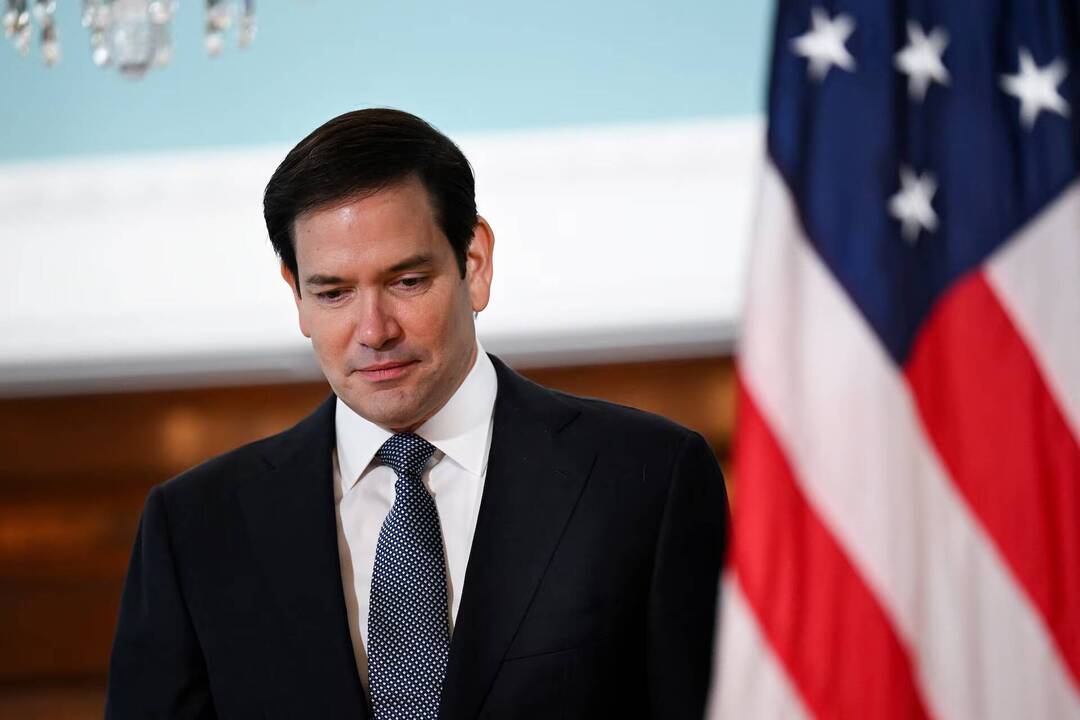
The United States has made a sudden about-face on its stance towards Venezuela, with Secretary of State Marco Rubio announcing on Sunday that the country would not take a day-to-day role in governing the South American nation. This statement comes as a contradiction to the claims made by US President Donald Trump just a day prior, where he stated that the US would be running Venezuela following the ouster of leader Nicolas Maduro.
The situation in Venezuela has been tumultuous for quite some time, with the country facing severe economic and humanitarian crises under the leadership of Maduro. The US has been a vocal critic of the Maduro regime, and has been actively seeking to undermine his authority and influence in the region. However, the latest statement from Rubio suggests that the US may be rethinking its approach towards Venezuela, and is now seeking to distance itself from any direct involvement in the country’s governance.
According to Rubio, the US would instead focus on enforcing an existing “oil quarantine” on Venezuela, which would restrict the country’s ability to export oil and further exacerbate its economic woes. This move is seen as an attempt to pressure the Maduro regime into stepping down, and paving the way for a new government to take power.
The “oil quarantine” is a significant measure, as oil exports are a crucial source of revenue for Venezuela. The country is heavily reliant on its oil industry, and any disruption to its exports would have a major impact on its economy. By enforcing the quarantine, the US is seeking to use its economic leverage to influence the situation in Venezuela, and to bring about a resolution to the crisis.
The U-turn by the US comes as a surprise, given the strong statements made by Trump just a day prior. On Saturday, Trump had stated that the US would be running Venezuela, which was seen as a bold and provocative move. However, the latest statement from Rubio suggests that the US is now seeking to adopt a more nuanced approach, and is recognizing the limitations of its influence in the region.
The situation in Venezuela is complex and multifaceted, and any attempt by the US to intervene or exert its influence is likely to be met with resistance and skepticism. The country has a long history of resisting foreign interference, and the Maduro regime has been vocal in its opposition to any attempts by the US to undermine its authority.
Despite the challenges, the US remains committed to its goal of promoting democracy and stability in Venezuela. The country has been a key player in the region, and its influence is likely to be felt for some time to come. However, the latest statement from Rubio suggests that the US is now seeking to adopt a more measured approach, and is recognizing the need to work with other countries and international organizations to achieve its goals.
The international community has been watching the situation in Venezuela with great interest, and the latest developments are likely to be closely scrutinized. The European Union, in particular, has been seeking to promote a peaceful resolution to the crisis, and has been working closely with the US and other countries to achieve this goal.
As the situation in Venezuela continues to unfold, it is clear that the US is seeking to play a key role in shaping the country’s future. However, the latest statement from Rubio suggests that the US is now recognizing the limitations of its influence, and is seeking to adopt a more nuanced approach. The “oil quarantine” is a significant measure, and is likely to have a major impact on the country’s economy. However, it remains to be seen whether this move will be enough to bring about a resolution to the crisis, and to promote democracy and stability in Venezuela.
In conclusion, the US has made a sudden about-face on its stance towards Venezuela, with Secretary of State Marco Rubio announcing that the country would not take a day-to-day role in governing the South American nation. The US will instead focus on enforcing an existing “oil quarantine” on Venezuela, which would restrict the country’s ability to export oil and further exacerbate its economic woes. The situation in Venezuela is complex and multifaceted, and any attempt by the US to intervene or exert its influence is likely to be met with resistance and skepticism. However, the US remains committed to its goal of promoting democracy and stability in Venezuela, and is seeking to work with other countries and international organizations to achieve this goal.
About the Author