In a U-turn, US says it won’t govern Venezuela
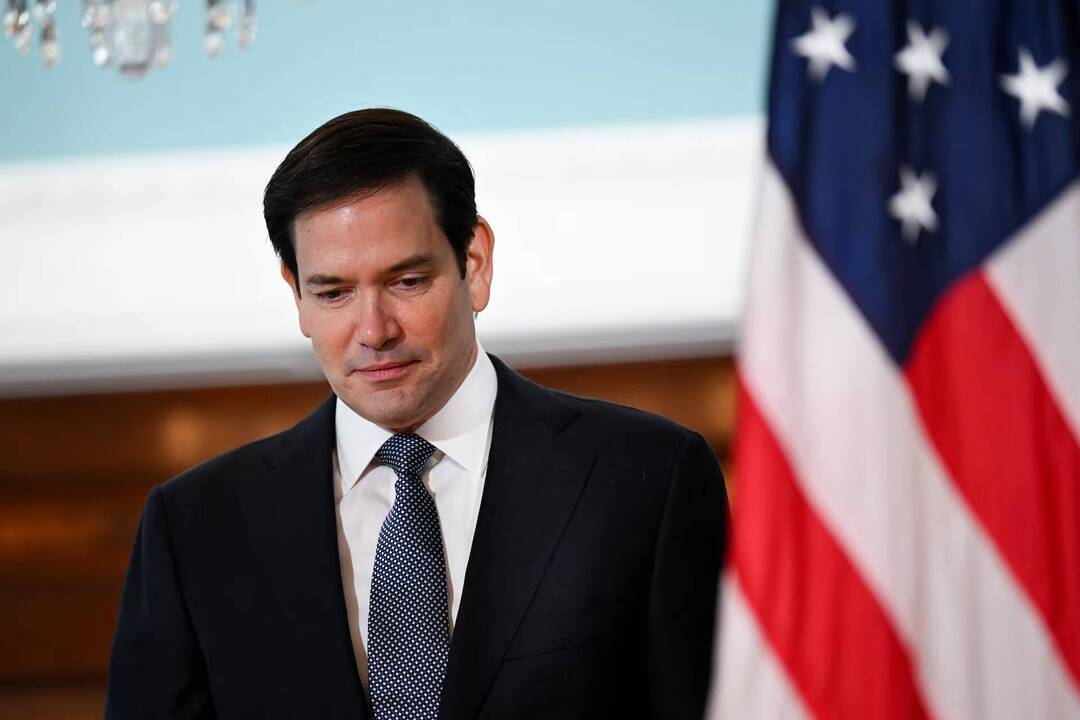
The United States has made a sudden about-face in its stance on Venezuela, with Secretary of State Marco Rubio announcing on Sunday that the country would not take a day-to-day role in governing the South American nation. This statement comes as a direct contradiction to the claims made by US President Donald Trump just a day earlier, where he asserted that the US would be running Venezuela following the ouster of leader Nicolas Maduro.
The situation in Venezuela has been tumultuous for quite some time, with the country plagued by economic instability, food shortages, and a severe humanitarian crisis. The US has been a vocal critic of the Maduro regime, imposing economic sanctions and supporting opposition leader Juan Guaido as the legitimate president of Venezuela. However, the latest developments have raised questions about the extent of US involvement in the country’s internal affairs.
On Saturday, President Trump stated that the US would be taking control of Venezuela, sparking concerns about the potential for a US-led intervention in the country. However, these claims were swiftly walked back by Secretary of State Marco Rubio, who clarified that the US would not be governing Venezuela on a day-to-day basis. Instead, Rubio emphasized that the US would be enforcing an existing “oil quarantine” on Venezuela, aimed at limiting the country’s oil exports and exerting pressure on the Maduro regime.
The oil quarantine is a significant aspect of the US strategy to weaken the Maduro government, as Venezuela’s oil industry is a crucial source of revenue for the country. By restricting oil exports, the US hopes to strangle the regime’s finances and force Maduro to relinquish power. However, this approach has been met with criticism from some quarters, with concerns that it could exacerbate the humanitarian crisis in Venezuela and harm innocent civilians.
Rubio’s statement on Sunday marks a significant shift in the US stance on Venezuela, as it acknowledges the limitations of US involvement in the country’s internal affairs. While the US is keen to see the Maduro regime removed from power, it appears that the country is not willing to take on a direct governing role in Venezuela. This approach is likely to be seen as a more nuanced and cautious strategy, one that seeks to balance the need to pressure the Maduro regime with the need to avoid direct military intervention.
The implications of this U-turn are significant, as it suggests that the US is rethinking its approach to Venezuela. The country’s humanitarian crisis is a pressing concern, and the US is likely to face criticism for its role in exacerbating the situation. By enforcing an oil quarantine and supporting opposition leader Juan Guaido, the US hopes to bring about a peaceful transition of power in Venezuela. However, the path ahead is uncertain, and the US will need to navigate a complex web of diplomatic and economic factors to achieve its goals.
As the situation in Venezuela continues to unfold, it is clear that the US will play a significant role in shaping the country’s future. However, the extent of US involvement remains a subject of debate, with some arguing that the country should take a more direct approach to removing the Maduro regime. Others, however, argue that a more cautious approach is needed, one that prioritizes diplomatic efforts and avoids direct military intervention.
In conclusion, the US has made a significant U-turn in its stance on Venezuela, with Secretary of State Marco Rubio announcing that the country would not take a day-to-day role in governing the South American nation. Instead, the US will enforce an existing “oil quarantine” on Venezuela, aimed at limiting the country’s oil exports and exerting pressure on the Maduro regime. As the situation in Venezuela continues to evolve, it is clear that the US will play a significant role in shaping the country’s future. However, the extent of US involvement remains a subject of debate, and it remains to be seen how the situation will unfold in the days and weeks ahead.
About the Author