In a U-turn, US says it won’t govern Venezuela
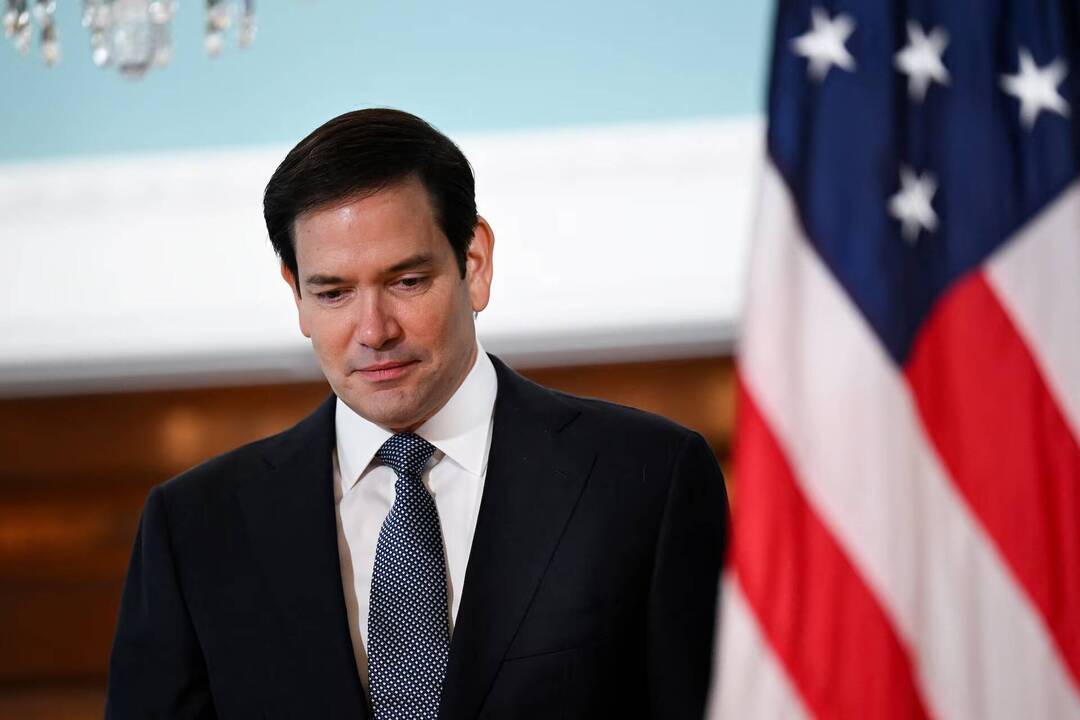
The United States has made a sudden reversal in its stance on Venezuela, with US Secretary of State Marco Rubio announcing on Sunday that the country would not take a day-to-day role in governing Venezuela. This statement comes as a surprise, especially considering the comments made by US President Donald Trump just a day earlier. On Saturday, President Trump stated that the United States would be running Venezuela following the ouster of leader Nicolas Maduro. The about-face has left many wondering what the future holds for the troubled South American nation.
The situation in Venezuela has been precarious for some time, with the country plagued by economic instability, food and medicine shortages, and a severe humanitarian crisis. The international community has been watching with bated breath as the country teeters on the brink of collapse. The US, in particular, has been vocal in its criticism of the Maduro regime, with President Trump being a strong advocate for regime change.
However, it appears that the US is now taking a step back from its previous assertions of direct involvement in Venezuela’s governance. Secretary of State Marco Rubio’s statement on Sunday suggests that the US will instead focus on enforcing an existing “oil quarantine” on Venezuela. This move is aimed at crippling the country’s oil industry, which is a significant source of revenue for the Maduro regime.
The “oil quarantine” is a measure that has been in place for some time, with the US imposing sanctions on Venezuelan oil exports. The move is designed to limit the regime’s ability to generate revenue, thereby weakening its grip on power. By enforcing this quarantine, the US hopes to exert pressure on the Maduro regime to step down and allow for a peaceful transition of power.
The U-turn in the US stance on Venezuela has sparked a mix of reactions from the international community. Some have welcomed the move, seeing it as a more measured approach to the crisis. Others, however, have expressed skepticism, questioning the effectiveness of the “oil quarantine” in achieving the desired outcome.
One thing is certain, however: the situation in Venezuela remains highly volatile. The country is on the brink of collapse, and the international community must work together to find a solution. The US, as a key player in the region, has a critical role to play in shaping the future of Venezuela.
As the situation continues to unfold, it is essential to consider the potential implications of the US’s revised stance. Will the “oil quarantine” be enough to bring about regime change, or will it simply exacerbate the humanitarian crisis? How will the international community respond to the US’s change of heart, and what role will other nations play in shaping the future of Venezuela?
These are just a few of the questions that will be on everyone’s minds in the coming days and weeks. One thing is certain, however: the situation in Venezuela is complex, and there are no easy answers. As the world watches with bated breath, it is essential to stay informed and up-to-date on the latest developments.
In conclusion, the US’s sudden reversal on Venezuela has sparked a mix of reactions and raised more questions than answers. As the situation continues to unfold, it is essential to consider the potential implications of the US’s revised stance and the role that the international community will play in shaping the future of Venezuela. For now, one thing is certain: the situation in Venezuela remains highly volatile, and the world will be watching with great interest to see what the future holds.
About the Author