In a U-turn, US says it won’t govern Venezuela
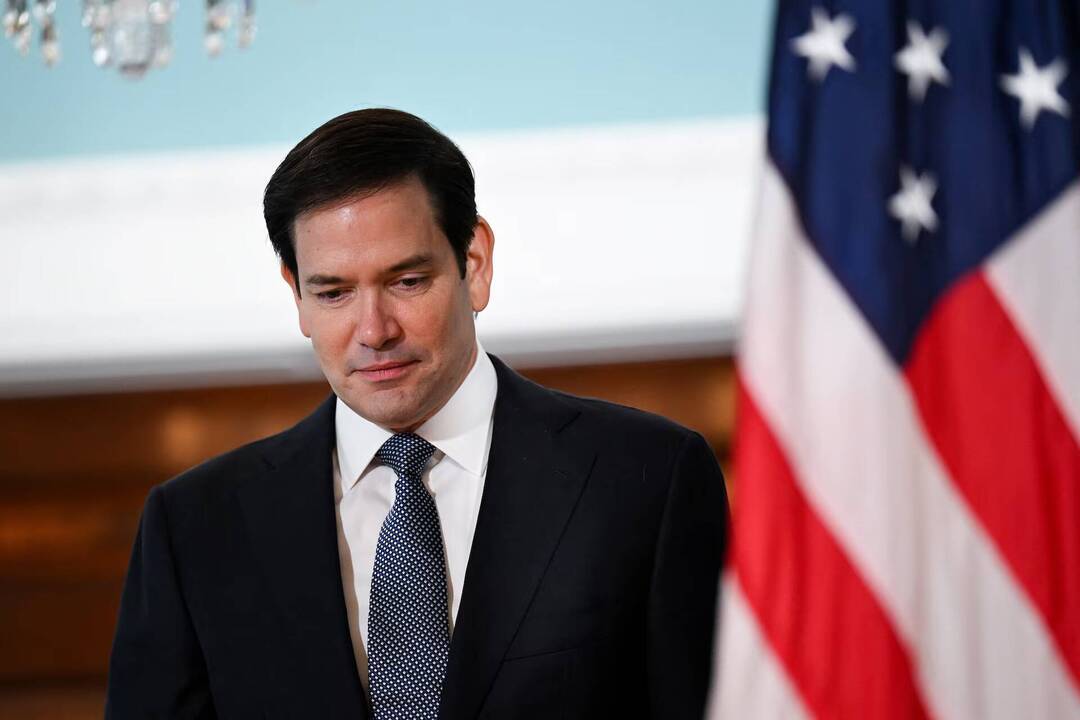
The United States has made a significant reversal in its stance on Venezuela, with Secretary of State Marco Rubio suggesting that the country would not take a day-to-day role in governing the South American nation. This statement comes after US President Donald Trump’s remarks on Saturday, where he claimed that the US would be running Venezuela following the ouster of leader Nicolas Maduro. The sudden shift in policy has left many wondering about the intentions of the US government and its plans for Venezuela’s future.
On Saturday, President Trump made a statement that sent shockwaves across the globe, saying that the US would be in charge of Venezuela after the removal of President Maduro. This statement was met with widespread criticism, with many arguing that it was an overstep of the US’s authority and an infringement on Venezuela’s sovereignty. However, in a surprise move, Secretary of State Marco Rubio walked back on the President’s claim, stating that the US would not be involved in the day-to-day governance of Venezuela.
Instead, Rubio stated that the US would focus on enforcing an existing “oil quarantine” on Venezuela. This move is aimed at limiting the country’s oil exports and putting pressure on the Maduro regime to step down. The oil quarantine is a significant aspect of the US’s strategy to weaken the Venezuelan government, which is heavily reliant on oil exports for revenue. By restricting the country’s ability to export oil, the US hopes to cripple the economy and force President Maduro to relinquish power.
The U-turn by the US government has raised questions about the country’s true intentions in Venezuela. While the US has been a vocal critic of President Maduro’s regime, accusing it of human rights abuses and authoritarianism, the sudden shift in policy has left many wondering if the US is genuinely interested in promoting democracy in Venezuela or if it has ulterior motives.
One possible explanation for the U-turn is that the US government realized that taking a direct role in governing Venezuela would be a complex and costly endeavor. The country is facing a severe economic crisis, with hyperinflation, food shortages, and a lack of basic necessities. The US would need to invest significant resources to stabilize the country and provide basic services to its citizens. Furthermore, taking a direct role in governing Venezuela would likely be met with resistance from the Venezuelan people, who are fiercely proud of their independence and sovereignty.
Another possible explanation is that the US government is trying to avoid a repeat of its past mistakes in countries like Iraq and Afghanistan. In both cases, the US took a direct role in governing the countries, with disastrous consequences. The US may be hesitant to repeat the same mistakes in Venezuela, instead opting for a more nuanced approach that focuses on supporting the opposition and putting pressure on the Maduro regime through economic means.
The enforcement of the oil quarantine is a significant aspect of the US’s strategy in Venezuela. The country’s oil industry is its lifeblood, and restricting its ability to export oil would have a devastating impact on the economy. The US has already imposed significant sanctions on Venezuela’s state-owned oil company, PDVSA, and has threatened to impose further sanctions on countries that continue to do business with the company.
The impact of the oil quarantine on Venezuela’s economy would be severe. The country is already facing a significant economic crisis, with hyperinflation, food shortages, and a lack of basic necessities. The loss of oil revenue would exacerbate the crisis, making it even more difficult for the government to provide basic services to its citizens. The US hopes that this pressure will force President Maduro to step down, allowing for a transition to a new government.
However, the effectiveness of the oil quarantine is uncertain. Venezuela has already begun to look for alternative markets for its oil, including China and India. Additionally, the US’s sanctions on PDVSA have had unintended consequences, including a significant increase in oil prices. The US may need to reconsider its strategy and look for alternative ways to pressure the Maduro regime.
In conclusion, the US’s U-turn on Venezuela is a significant development in the country’s ongoing crisis. While the US has stated that it will not take a day-to-day role in governing Venezuela, it is clear that the country will continue to play a significant role in shaping the country’s future. The enforcement of the oil quarantine is a key aspect of the US’s strategy, and its impact on Venezuela’s economy will be severe. As the situation continues to unfold, it is essential to monitor the US’s actions and their consequences, both intended and unintended.
About the Author