In a U-turn, US says it won’t govern Venezuela
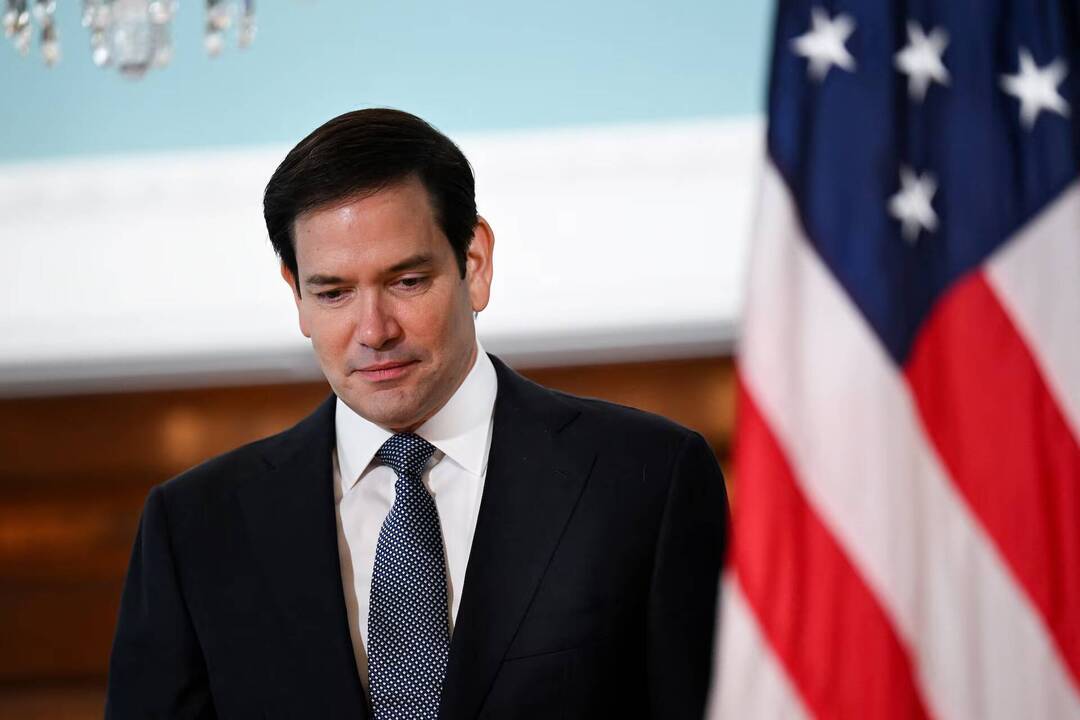
The United States has made a sudden reversal in its stance on Venezuela, with US Secretary of State Marco Rubio suggesting that the country would not take a day-to-day role in governing the South American nation. This statement comes just a day after US President Donald Trump stated that the United States would be running Venezuela following the ouster of leader Nicolas Maduro. The conflicting statements have raised eyebrows and sparked confusion over the US’s intentions in Venezuela.
On Saturday, President Trump made a bold claim that his country would be taking charge of Venezuela, sparking concerns about the potential for US intervention in the country’s affairs. However, on Sunday, Secretary of State Marco Rubio walked back on the President’s statement, saying that the US would not be governing Venezuela on a day-to-day basis. Instead, Rubio stated that the US would focus on enforcing an existing “oil quarantine” on Venezuela, aimed at restricting the country’s oil exports and putting pressure on the Maduro regime.
The oil quarantine is a key component of the US’s strategy to pressure the Venezuelan government, which has been accused of human rights abuses and economic mismanagement. By restricting Venezuela’s oil exports, the US hopes to limit the government’s access to revenue and force Maduro to step down. The quarantine has already had a significant impact on Venezuela’s economy, with the country’s oil production plummeting in recent months.
Rubio’s statement on Sunday was seen as an attempt to clarify the US’s position on Venezuela, following President Trump’s comments on Saturday. The Secretary of State emphasized that the US would not be taking a direct role in governing Venezuela, but would instead work with other countries in the region to support a transition to democracy. This approach is likely to be more palatable to other nations in the region, which have expressed concerns about US intervention in Venezuela’s affairs.
The US’s stance on Venezuela has been a subject of controversy in recent months, with some critics accusing the Trump administration of seeking to impose its will on the country. The US has been a vocal supporter of Venezuelan opposition leader Juan Guaido, who has declared himself interim president of the country. However, Maduro remains in power, and the US’s efforts to pressure him to step down have so far been unsuccessful.
The situation in Venezuela is complex and multifaceted, with deep-seated economic and social problems that will not be easily resolved. The country’s economy has been in freefall for several years, with hyperinflation, food shortages, and a lack of basic services such as healthcare and education. The humanitarian crisis in Venezuela has sparked a massive migration of citizens to other countries in the region, putting a strain on local resources and infrastructure.
In this context, the US’s decision not to govern Venezuela is a welcome development. The country needs a sustainable and long-term solution to its problems, rather than a short-term fix imposed by an external power. The US and other countries in the region should focus on supporting a democratic transition in Venezuela, rather than seeking to impose their will on the country.
The enforcement of the oil quarantine is a key part of the US’s strategy to pressure the Maduro regime. The quarantine has already had a significant impact on Venezuela’s economy, and is likely to continue to do so in the coming months. However, the US should also be working to support the Venezuelan people, who are suffering under the weight of the country’s economic crisis.
In conclusion, the US’s U-turn on Venezuela is a significant development in the country’s ongoing crisis. The decision not to govern Venezuela is a welcome one, and reflects a more nuanced understanding of the complex issues at play. The US should continue to work with other countries in the region to support a democratic transition in Venezuela, and to pressure the Maduro regime to step down. The enforcement of the oil quarantine is a key part of this strategy, and should be combined with efforts to support the Venezuelan people and address the country’s deep-seated economic and social problems.
About the Author