In a U-turn, US says it won’t govern Venezuela
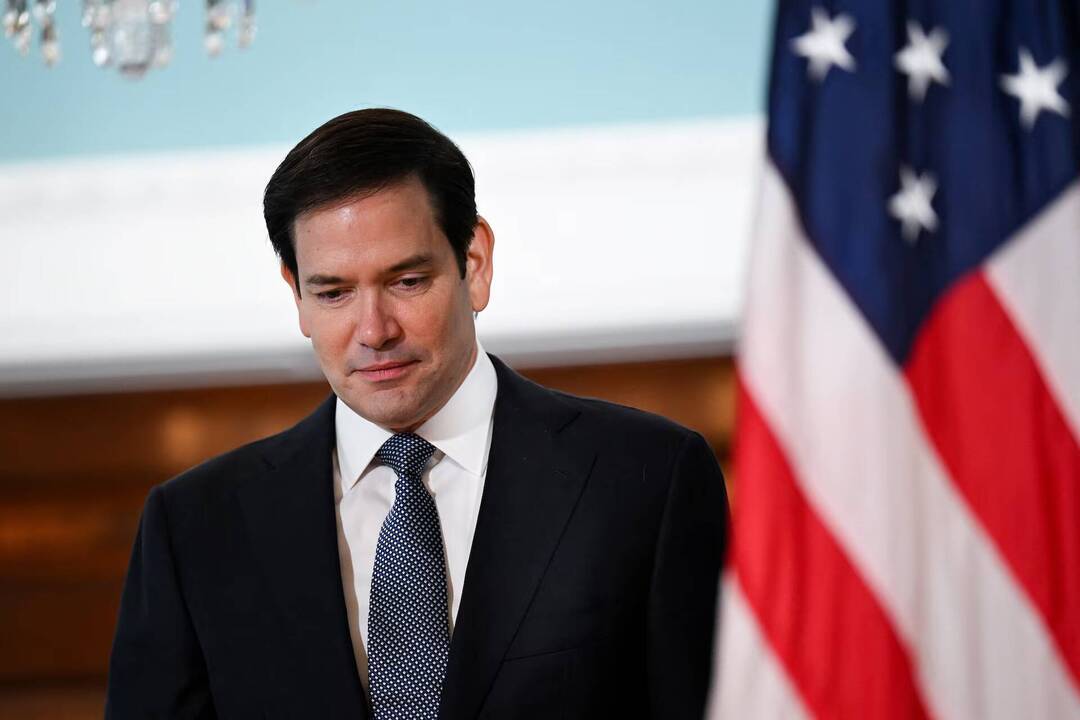
The United States has made a significant U-turn in its stance on Venezuela, with Secretary of State Marco Rubio suggesting that the country will not take a day-to-day role in governing the South American nation. This statement comes just a day after US President Donald Trump claimed that the US would be “running” Venezuela following the ouster of leader Nicolas Maduro. The sudden shift in stance has raised eyebrows and sparked debate about the US’s intentions in Venezuela.
On Saturday, President Trump made headlines when he stated that the US would be taking control of Venezuela, sparking concerns about the implications of such a move. However, in a surprising turn of events, Secretary of State Marco Rubio walked back on the President’s claims, stating that the US would not be involved in the day-to-day governance of Venezuela. Instead, Rubio emphasized that the US would focus on enforcing an existing “oil quarantine” on the country.
The “oil quarantine” refers to the economic sanctions imposed by the US on Venezuela’s oil industry, which is the country’s primary source of revenue. The sanctions aim to restrict Venezuela’s ability to export oil, thereby crippling the country’s economy and putting pressure on the Maduro regime. By enforcing the oil quarantine, the US hopes to weaken Maduro’s grip on power and pave the way for a transitional government.
Rubio’s statement suggests that the US is adopting a more nuanced approach to dealing with the crisis in Venezuela. Rather than taking direct control of the country, the US appears to be focusing on using economic leverage to influence the outcome. This approach may be seen as a more pragmatic and less intrusive way of addressing the situation, as it allows the Venezuelan people to determine their own future without direct US intervention.
The U-turn in the US’s stance on Venezuela may be attributed to a number of factors, including concerns about the potential consequences of direct intervention. The US has a history of intervening in Latin American countries, often with disastrous results. The memories of past interventions, such as the CIA-backed coup in Chile in 1973, still linger in the region, and many Venezuelans are wary of US involvement in their country’s affairs.
Furthermore, the US may be recognizing that direct governance of Venezuela would be a complex and challenging task. Venezuela is a country with a rich cultural heritage and a strong sense of nationalism, and any attempt by the US to impose its will on the country would likely be met with resistance. By taking a more hands-off approach, the US may be able to avoid the pitfalls of direct intervention and allow the Venezuelan people to determine their own destiny.
The implications of the US’s U-turn on Venezuela are significant. For one, it suggests that the US is willing to take a more patient and nuanced approach to addressing the crisis in Venezuela. Rather than relying on dramatic statements and bold actions, the US appears to be adopting a more measured approach, one that prioritizes economic leverage and diplomatic pressure over direct intervention.
The U-turn also highlights the complexities and challenges of dealing with the crisis in Venezuela. The country is facing a deepening economic and humanitarian crisis, with millions of people struggling to access basic necessities like food and medicine. The US’s approach to addressing the crisis must be carefully calibrated to avoid exacerbating the situation and to ensure that the needs of the Venezuelan people are prioritized.
In conclusion, the US’s U-turn on Venezuela is a significant development that highlights the complexities and challenges of addressing the crisis in the country. By taking a more nuanced approach and focusing on economic leverage and diplomatic pressure, the US may be able to avoid the pitfalls of direct intervention and allow the Venezuelan people to determine their own future. As the situation in Venezuela continues to unfold, it is essential to prioritize the needs and interests of the Venezuelan people and to adopt a patient and measured approach to addressing the crisis.
About the Author