In a U-turn, US says it won’t govern Venezuela
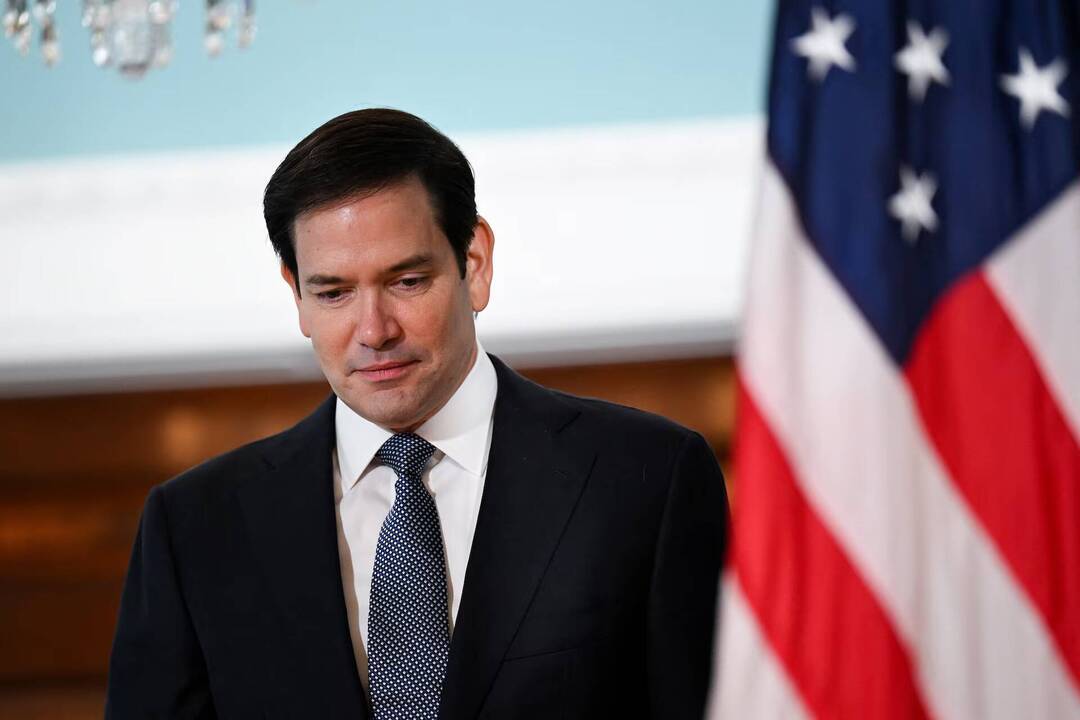
The United States has made a significant reversal in its stance on Venezuela, with Secretary of State Marco Rubio announcing on Sunday that the country will not take a day-to-day role in governing the South American nation. This statement comes as a surprise, particularly after US President Donald Trump stated on Saturday that the United States would be running Venezuela following the ouster of leader Nicolas Maduro.
The sudden shift in the US’s position on Venezuela has sparked widespread interest and speculation, with many seeking to understand the implications of this decision. Rubio’s announcement has effectively walked back Trump’s claim, indicating that the US will not be directly involved in the governance of Venezuela. Instead, the US will focus on enforcing an existing “oil quarantine” on the country.
The “oil quarantine” refers to the economic sanctions imposed on Venezuela by the US, which aim to restrict the country’s oil exports and limit its access to international markets. The US has been a strong critic of Maduro’s regime, accusing him of human rights abuses, corruption, and mismanagement of the country’s economy. The sanctions are intended to pressure Maduro to step down and allow for a democratic transition in Venezuela.
Rubio’s statement suggests that the US will continue to play a role in shaping Venezuela’s future, but it will do so through economic and diplomatic means rather than direct governance. This approach is likely to be seen as a more nuanced and sustainable way of promoting change in Venezuela, rather than attempting to impose a US-led government on the country.
The US’s decision not to govern Venezuela is also likely to be influenced by the complexities and challenges of such an endeavor. Governance is a complex and delicate process, requiring a deep understanding of the local context, culture, and politics. The US’s experience in Iraq and Afghanistan has shown that external intervention can often lead to unintended consequences and instability.
Furthermore, the international community has been skeptical of the US’s intentions in Venezuela, with many countries expressing concerns about the potential for US interference in the country’s internal affairs. The US’s decision to respect Venezuela’s sovereignty and allow the country to determine its own future is likely to be seen as a positive step towards promoting stability and cooperation in the region.
The implications of the US’s decision are significant, both for Venezuela and the wider region. The country is likely to continue to face significant economic and humanitarian challenges, but the US’s commitment to enforcing the “oil quarantine” suggests that it will continue to play a role in shaping Venezuela’s economic and political landscape.
In the short term, the US’s decision is likely to lead to a period of uncertainty and instability in Venezuela. The country’s opposition movement, which has been backed by the US, may feel emboldened by the US’s continued support, but it is unclear whether they will be able to capitalize on this momentum to achieve their goals.
In the longer term, the US’s decision not to govern Venezuela is likely to have significant implications for the country’s future. The US’s commitment to promoting democracy and human rights in Venezuela is likely to continue, but it will need to be balanced against the need to respect the country’s sovereignty and allow it to determine its own future.
In conclusion, the US’s decision not to govern Venezuela marks a significant shift in its approach to the country. While the US will continue to play a role in shaping Venezuela’s future, it will do so through economic and diplomatic means rather than direct governance. The implications of this decision are significant, both for Venezuela and the wider region, and it will be important to monitor developments in the coming weeks and months.
The US’s commitment to enforcing the “oil quarantine” on Venezuela is likely to continue to be a major factor in the country’s economic and political landscape. The international community will be watching closely to see how the situation in Venezuela unfolds, and the US’s decision not to govern the country is likely to be seen as a positive step towards promoting stability and cooperation in the region.
For more information on this developing story, please visit: https://www.news18.com/amp/world/rubio-walks-back-on-trumps-claim-says-us-wont-govern-venezuela-to-enforce-oil-quarantine-9809526.html
About the Author