In a U-turn, US says it won’t govern Venezuela
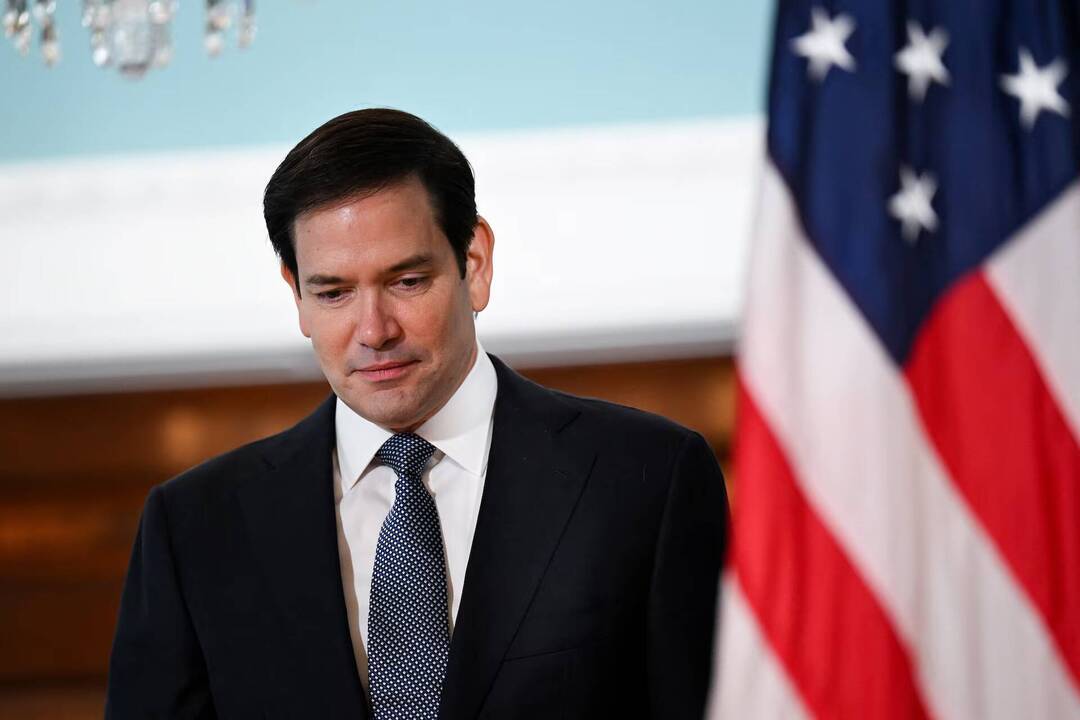
The United States has made a sudden reversal in its stance on Venezuela, with US Secretary of State Marco Rubio suggesting that the country would not take a day-to-day role in governing the South American nation. This statement comes as a surprise, especially after US President Donald Trump’s remarks on Saturday, where he claimed that the US would be running Venezuela following the ouster of leader Nicolas Maduro.
Rubio’s comments on Sunday seem to be a walk-back on Trump’s statement, as he clarified that the US would not be involved in the daily governance of Venezuela. Instead, he stated that the US would focus on enforcing an existing “oil quarantine” on the country. This quarantine is aimed at restricting Venezuela’s oil exports, which are a significant source of revenue for the country.
The US has been a strong critic of Maduro’s government, and has been actively supporting the opposition leader Juan Guaido, who has declared himself the interim president of Venezuela. The US, along with several other countries, has recognized Guaido as the legitimate leader of Venezuela, while Maduro’s government is seen as authoritarian and corrupt.
The situation in Venezuela has been deteriorating rapidly, with the country facing severe economic crisis, hyperinflation, and a shortage of basic necessities like food and medicine. The US has been imposing sanctions on Venezuela, including a ban on oil imports, in an effort to pressure Maduro’s government to step down.
However, Trump’s statement on Saturday raised concerns about the US’s intentions in Venezuela. The idea of the US “running” Venezuela sparked fears of a potential military intervention or occupation, which could lead to further instability and violence in the region. Rubio’s clarification on Sunday has helped to alleviate some of these concerns, but the situation remains uncertain and volatile.
The US’s role in Venezuela is complex and multifaceted. On the one hand, the US has a legitimate interest in promoting democracy and human rights in the region. The Maduro government has been accused of numerous human rights abuses, including repression of opposition voices, arbitrary arrests, and torture. The US’s support for Guaido and the opposition is seen as a way to promote democratic values and protect the rights of the Venezuelan people.
On the other hand, the US’s actions in Venezuela have also been criticized for being overly aggressive and interventionist. The imposition of sanctions and the threat of military intervention have been seen as a form of economic warfare, which could exacerbate the humanitarian crisis in Venezuela. The US’s history of intervention in Latin America, including the overthrow of democratically elected governments, has also raised concerns about the motivations behind its actions in Venezuela.
In this context, Rubio’s statement on Sunday is a welcome development. By clarifying that the US will not take a day-to-day role in governing Venezuela, the US is acknowledging the importance of respecting Venezuela’s sovereignty and allowing the Venezuelan people to determine their own future. The focus on enforcing the oil quarantine is also a more targeted and nuanced approach, which could help to pressure Maduro’s government without causing undue harm to the Venezuelan people.
However, the situation in Venezuela remains precarious, and the US’s actions will be closely watched in the coming days and weeks. The US needs to be careful not to overstep its bounds and respect the sovereignty of Venezuela, while also promoting democratic values and human rights. The international community also needs to come together to find a peaceful and diplomatic solution to the crisis, which takes into account the needs and aspirations of the Venezuelan people.
In conclusion, the US’s U-turn on Venezuela is a significant development, which could have important implications for the future of the country. By clarifying its role and intentions, the US can help to reduce tensions and promote a more peaceful and stable outcome. However, the situation remains complex and uncertain, and the US needs to be careful not to make any further mistakes that could exacerbate the crisis.
About the Author