In a U-turn, US says it won’t govern Venezuela
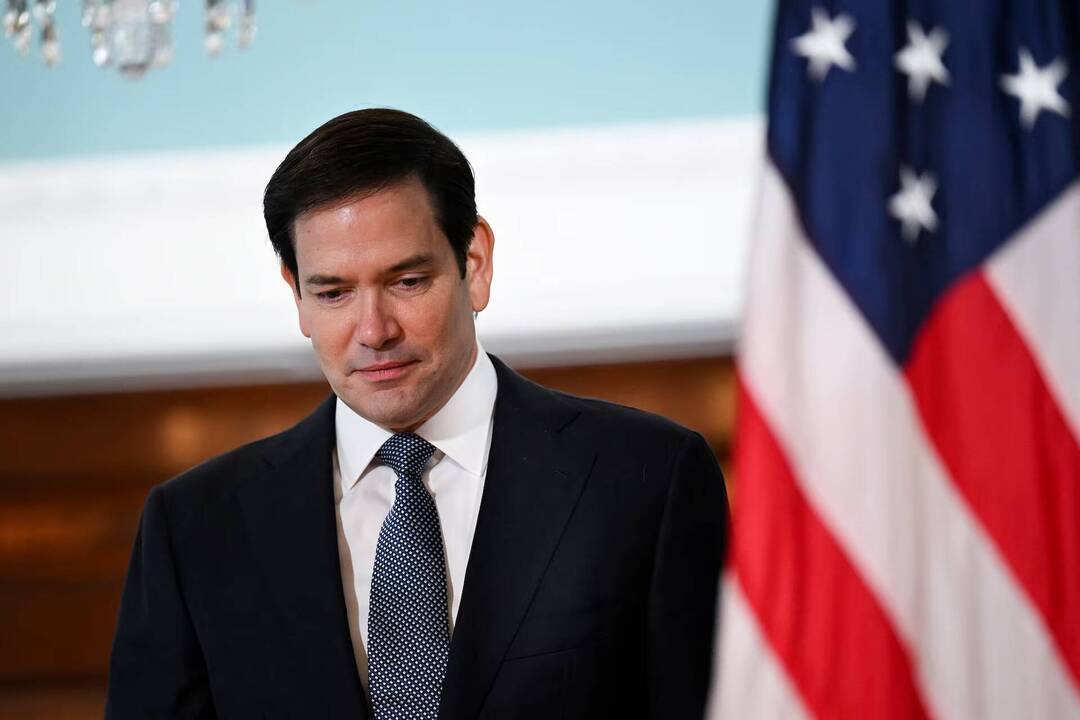
The United States has made a significant reversal in its stance on Venezuela, with Secretary of State Marco Rubio suggesting that the country will not take a day-to-day role in governing the Latin American nation. This statement comes as a surprise, given the comments made by US President Donald Trump just a day earlier. On Saturday, President Trump stated that the United States would be running Venezuela following the ouster of leader Nicolas Maduro. However, it appears that the US has backtracked on this claim, with Rubio clarifying that the US will instead focus on enforcing an existing “oil quarantine” on Venezuela.
The situation in Venezuela has been tumultuous for some time, with the country facing economic and humanitarian crises under the leadership of Nicolas Maduro. The US, along with several other countries, has been critical of Maduro’s regime and has been seeking to impose sanctions and other measures to pressure him into stepping down. The US has been a key player in the international effort to recognize Juan Guaido, the opposition leader, as the legitimate president of Venezuela.
However, the comments made by President Trump on Saturday suggested that the US was preparing to take a more direct role in governing Venezuela. This sparked concerns among many observers, who warned that such a move could lead to a protracted and potentially bloody conflict. The idea of the US taking control of Venezuela’s government was seen as a drastic and potentially destabilizing move, and it was unclear what the implications would be for the country and the region as a whole.
Rubio’s statement on Sunday appears to be an attempt to walk back these comments and provide a more nuanced view of the US’s intentions. By suggesting that the US will not take a day-to-day role in governing Venezuela, Rubio is seeking to reassure those who were concerned about the potential for US overreach. Instead, the US will focus on enforcing the existing “oil quarantine” on Venezuela, which is designed to restrict the country’s ability to export oil and thereby limit its access to revenue.
The “oil quarantine” is a key component of the US’s strategy to pressure Maduro’s regime into stepping down. By restricting Venezuela’s ability to export oil, the US is seeking to limit the country’s access to the revenue it needs to survive. This move is designed to increase the pressure on Maduro and his allies, and to create an environment in which they are more likely to negotiate a transition of power.
It is worth noting, however, that the “oil quarantine” is not without its risks. Venezuela is heavily reliant on oil exports, and any disruption to these exports could have significant humanitarian implications. The country is already facing severe shortages of food, medicine, and other essential goods, and any further disruption to its economy could exacerbate these problems. The US will need to be careful in its implementation of the “oil quarantine”, and will need to work closely with other countries and international organizations to ensure that the humanitarian needs of the Venezuelan people are being met.
In addition to the “oil quarantine”, the US is also seeking to increase its support for the Venezuelan opposition. The US has been a key player in the international effort to recognize Juan Guaido as the legitimate president of Venezuela, and has been working to provide him with the resources and support he needs to build a viable alternative to Maduro’s regime. This includes providing funding and other forms of assistance to the opposition, as well as working to build a coalition of international partners who can support Guaido’s efforts.
Overall, the situation in Venezuela remains complex and uncertain. The US’s reversal on its stance on governing Venezuela is a significant development, and it will be important to watch how the situation unfolds in the coming days and weeks. The US will need to be careful in its approach, and will need to work closely with other countries and international organizations to ensure that the needs of the Venezuelan people are being met.
As the situation continues to evolve, it is clear that the US will play a key role in shaping the outcome. The US’s decision to enforce an “oil quarantine” on Venezuela, rather than seeking to govern the country directly, is a significant development, and it will be important to watch how this move is received by the international community. One thing is certain, however: the situation in Venezuela will continue to be a major focus of international attention in the days and weeks to come.
About the Author