In a U-turn, US says it won’t govern Venezuela
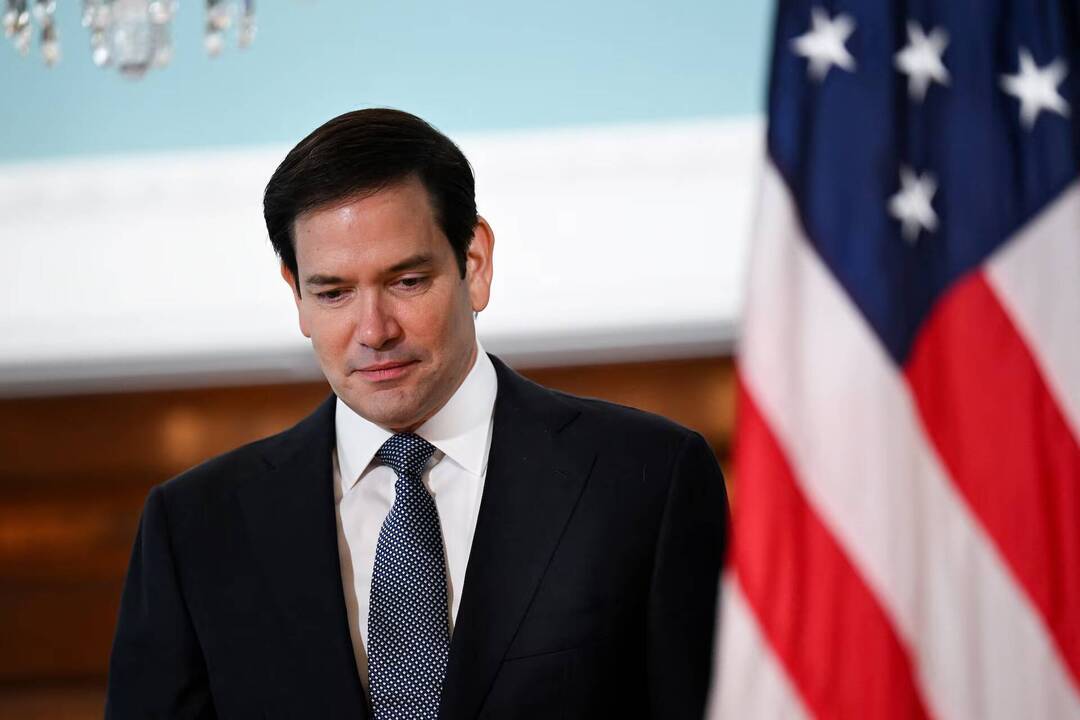
The United States has made a sudden reversal in its stance on Venezuela, with Secretary of State Marco Rubio suggesting that the country will not take a day-to-day role in governing the South American nation. This statement comes just a day after US President Donald Trump announced that the US would be running Venezuela following the ouster of leader Nicolas Maduro. The mixed signals from the US government have left many wondering about the true intentions of the country in regards to Venezuela.
On Saturday, President Trump made a statement that sent shockwaves around the world, claiming that the US would be taking control of Venezuela. This statement was met with widespread criticism, with many accusing the US of attempting to impose its will on a sovereign nation. However, it seems that the US government has now backtracked on this statement, with Secretary of State Marco Rubio clarifying that the US will not be involved in the day-to-day governance of Venezuela.
Instead, Rubio announced that the US would be enforcing an existing “oil quarantine” on Venezuela. This move is aimed at crippling the Venezuelan economy, which is heavily reliant on oil exports. The US has been imposing sanctions on Venezuela for several years, in an effort to pressure the government into making democratic reforms. However, these sanctions have had a devastating impact on the Venezuelan people, with many struggling to access basic necessities like food and medicine.
The US has been a vocal critic of the Venezuelan government, accusing it of human rights abuses and electoral fraud. The country has been plagued by economic crisis and political instability, with many Venezuelans fleeing to neighboring countries in search of a better life. The US has been supporting the opposition leader, Juan Guaido, who has declared himself the interim president of Venezuela.
Despite the US’s claims of supporting democracy in Venezuela, many have accused the country of having ulterior motives. The US has a long history of intervening in the affairs of Latin American countries, often with disastrous consequences. The US-backed coup in Chile in 1973, which overthrew the democratically-elected government of Salvador Allende, is just one example of the country’s meddling in the region.
The situation in Venezuela is complex and multifaceted, with no easy solutions. While the US may have good intentions in supporting the opposition, its methods have been widely criticized. The imposition of sanctions and the threat of military intervention have only served to exacerbate the crisis, rather than resolve it.
The U-turn by the US government is a welcome development, as it suggests that the country is beginning to realize the folly of its ways. Rather than trying to impose its will on Venezuela, the US should be working with other countries in the region to find a peaceful and democratic solution to the crisis. This could involve supporting diplomatic efforts, such as those led by the European Union, to negotiate a peaceful transition of power.
Ultimately, the future of Venezuela should be decided by the Venezuelan people, not by external powers. The US and other countries should respect the sovereignty of Venezuela and allow the country to determine its own destiny. The enforcement of an oil quarantine may be a more effective way of pressuring the Venezuelan government into making reforms, rather than attempting to govern the country directly.
As the situation in Venezuela continues to unfold, it is essential that the international community takes a nuanced and informed approach. The US government’s reversal on its stance is a step in the right direction, but more needs to be done to address the root causes of the crisis. By working together and supporting democratic and peaceful solutions, we can help the Venezuelan people build a brighter future for themselves.
About the Author