In a U-turn, US says it won’t govern Venezuela
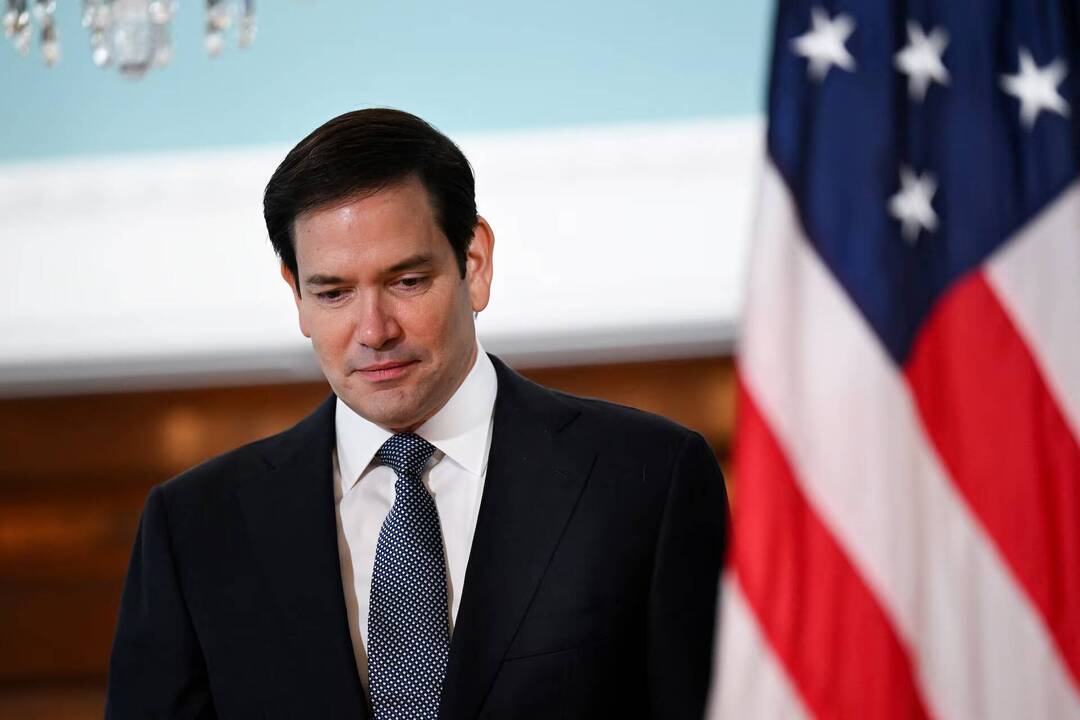
The United States has made a significant reversal in its stance on Venezuela, with US Secretary of State Marco Rubio suggesting that the country would not take a day-to-day role in governing Venezuela. This statement comes after US President Donald Trump’s remarks on Saturday, where he stated that the US would be running Venezuela following the ouster of leader Nicolas Maduro. The sudden change in stance has raised eyebrows and sparked debate about the US’s involvement in Venezuelan affairs.
On Sunday, Rubio clarified the US’s position, stating that the country would not be involved in the daily governance of Venezuela. Instead, he emphasized that the US would focus on enforcing an existing “oil quarantine” on the country. This quarantine is aimed at restricting Venezuela’s oil exports, which is a significant source of revenue for the country. By enforcing this quarantine, the US hopes to exert pressure on the Venezuelan government and bring about regime change.
The US’s initial statement about governing Venezuela was met with widespread criticism, with many arguing that it was an overstep of the country’s authority. The idea of one country taking control of another’s government is a complex and sensitive issue, and many saw the US’s statement as a form of imperialism. The reversal of this stance is likely an attempt to mitigate these concerns and reframe the US’s involvement in Venezuela as a more limited and targeted effort.
The situation in Venezuela is complex and multifaceted, with the country facing significant economic and humanitarian challenges. The US’s involvement in Venezuelan affairs is just one aspect of a broader international effort to address these challenges and bring about stability to the region. The US has been a vocal critic of the Maduro regime, and has imposed significant economic sanctions on the country in an effort to pressure the government into reform.
Despite the US’s reversal on governing Venezuela, the country’s involvement in Venezuelan affairs is unlikely to diminish. The US has a significant stake in the region, and is likely to continue playing a major role in shaping the country’s future. The enforcement of the oil quarantine is just one example of the US’s ongoing efforts to exert pressure on the Venezuelan government and bring about change.
The implications of the US’s involvement in Venezuela are far-reaching and complex. The country’s actions have the potential to impact not just Venezuela, but the broader region as a whole. The US’s efforts to enforce the oil quarantine, for example, could have significant economic implications for Venezuela and its trading partners. Additionally, the US’s involvement in Venezuelan affairs could also have implications for the country’s relationships with other nations in the region.
In recent years, the US has taken a increasingly active role in Venezuelan affairs, with the country imposing significant economic sanctions on the government and providing support to opposition groups. The US’s efforts have been driven by a desire to bring about regime change and promote democracy in the country. However, the US’s actions have also been criticized for being heavy-handed and ineffective, with some arguing that they have exacerbated the country’s economic and humanitarian challenges.
The future of US-Venezuela relations is uncertain, and it is likely that the country’s involvement in Venezuelan affairs will continue to evolve in the coming months and years. The US’s reversal on governing Venezuela is a significant development, and it will be important to watch how the country’s stance on the issue continues to unfold. One thing is certain, however: the US’s involvement in Venezuelan affairs will remain a major factor in shaping the country’s future, and will have significant implications for the broader region.
In conclusion, the US’s U-turn on governing Venezuela is a significant development that reflects the complexities and challenges of the country’s involvement in Venezuelan affairs. The US’s decision to enforce an existing “oil quarantine” on Venezuela is a more targeted and limited effort, and is likely an attempt to mitigate concerns about the country’s overreach. As the situation in Venezuela continues to evolve, it will be important to watch how the US’s stance on the issue continues to unfold, and to consider the implications of the country’s actions for the broader region.
About the Author