In a U-turn, US says it won’t govern Venezuela
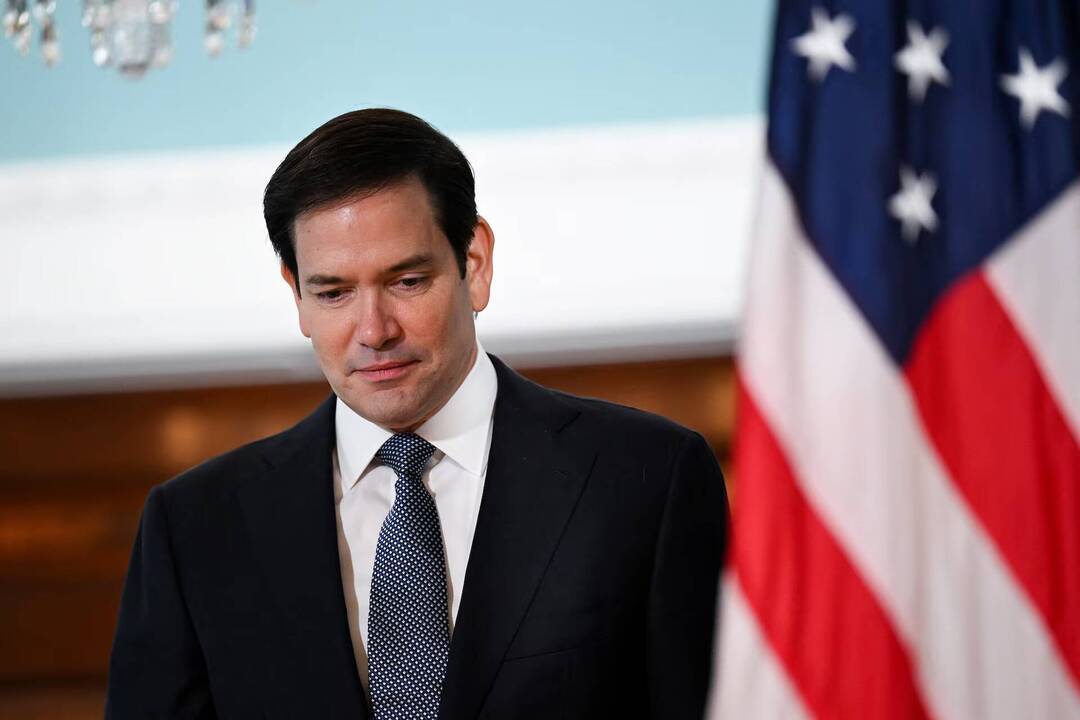
The United States has made a sudden reversal in its stance on Venezuela, with US Secretary of State Marco Rubio suggesting that the country would not take a day-to-day role in governing Venezuela. This comes just a day after US President Donald Trump stated that the US would be running Venezuela following the ouster of leader Nicolas Maduro. The mixed signals from the US government have left many wondering about the country’s true intentions in Venezuela.
On Saturday, President Trump made a statement that sent shockwaves around the world, saying that the US would be taking control of Venezuela. This statement was met with widespread criticism, with many arguing that it was an overstep of the US’s authority and a violation of Venezuela’s sovereignty. However, just a day later, Secretary of State Marco Rubio seemed to walk back the President’s statement, saying that the US would not be governing Venezuela on a day-to-day basis.
According to Rubio, the US would instead focus on enforcing an existing “oil quarantine” on Venezuela. This move is aimed at cutting off the Venezuelan government’s access to oil revenue, which is a major source of income for the country. The US has been imposing sanctions on Venezuela for some time now, in an effort to pressure the government into making changes. The “oil quarantine” is just the latest in a series of measures aimed at crippling the Venezuelan economy and forcing the government to negotiate.
The mixed signals from the US government have left many wondering about the country’s true intentions in Venezuela. On the one hand, the US has been a vocal critic of the Maduro government, accusing it of human rights abuses and corruption. The US has also been a strong supporter of the Venezuelan opposition, providing financial and diplomatic backing to the movement. However, the US’s sudden reversal on governing Venezuela has raised questions about the country’s true goals in the region.
One possible explanation for the US’s reversal is that the country is trying to avoid being seen as an imperial power. The US has a long history of intervention in Latin America, and many in the region are wary of US involvement in their affairs. By saying that it will not govern Venezuela, the US may be trying to reassure its neighbors that it is not seeking to impose its will on the region.
Another possible explanation is that the US is trying to shift the focus away from its own role in Venezuela and onto the Venezuelan government itself. By emphasizing the need for an “oil quarantine” and other economic sanctions, the US may be trying to pressure the Venezuelan government into making concessions. This could include holding free and fair elections, releasing political prisoners, and allowing humanitarian aid into the country.
Despite the US’s reversal, the situation in Venezuela remains dire. The country is facing a severe economic crisis, with hyperinflation and shortages of food and medicine. The Venezuelan government has been accused of human rights abuses, including the use of violence against protesters and the suppression of opposition voices. The international community has been calling for a peaceful resolution to the crisis, but so far, a solution has proven elusive.
In conclusion, the US’s sudden reversal on governing Venezuela has added to the uncertainty and confusion surrounding the country’s crisis. While the US may be trying to avoid being seen as an imperial power, its actions are still having a major impact on the region. The “oil quarantine” and other economic sanctions are likely to exacerbate the humanitarian crisis in Venezuela, and the US’s mixed signals are unlikely to reassure the Venezuelan people or the international community.
As the situation in Venezuela continues to unfold, it is clear that the US will play a major role in shaping the country’s future. Whether the US will be able to achieve its goals in Venezuela remains to be seen, but one thing is certain: the country’s crisis will have far-reaching consequences for the region and the world.
About the Author