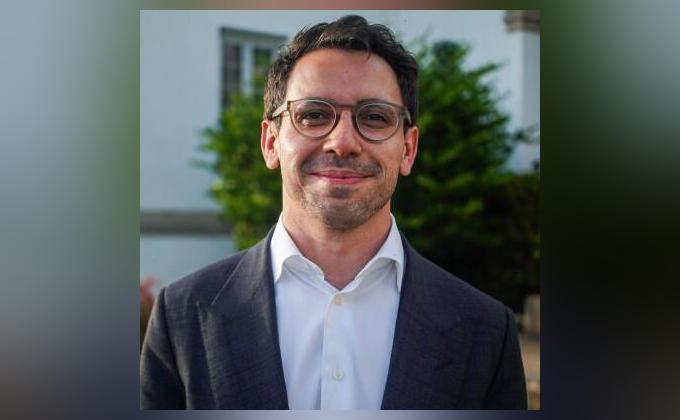
I’ll fire all H-1B workers at state agency: Florida Guv candidate
The debate over H-1B visas has been a contentious issue in the United States for years, with proponents arguing that they are essential for filling labor gaps in key industries and opponents claiming that they take jobs away from American workers. Recently, James Fishback, a candidate running to succeed Ron DeSantis as Florida’s next Republican Governor, weighed in on the issue, making a bold and contentious pledge. According to Fishback, if he is elected, he will “fire every H-1B [visa holder] working at a state agency.” This statement has sparked a heated discussion about the role of H-1B visas in the American workforce and the potential consequences of such a policy.
Fishback’s plan to fire H-1B workers at state agencies is part of a broader effort to prioritize the hiring of American workers. As he explained, he will “cancel state contracts with companies that employ H-1Bs instead of qualified Floridians” and will work to “incentivise companies to hire Americans again.” This approach is rooted in the idea that H-1B visas are being used to displace American workers, particularly in fields such as technology and engineering. By canceling contracts with companies that employ H-1B workers, Fishback hopes to create a level playing field where American workers can compete for jobs without being undercut by foreign labor.
However, critics of Fishback’s plan argue that it is overly simplistic and fails to account for the complexities of the modern workforce. Many companies rely on H-1B visas to fill specialized roles that require unique skills and expertise. By firing H-1B workers and canceling contracts with companies that employ them, Fishback’s policy could have unintended consequences, such as disrupting critical projects and undermining the competitiveness of Florida-based businesses.
Furthermore, Fishback’s pledge to “deport…illegals…[and] H-1Bs” has raised concerns about the potential for xenophobia and discrimination. While the candidate’s intention may be to protect American jobs, his rhetoric has been criticized for being divisive and inflammatory. The H-1B visa program is designed to attract highly skilled workers from around the world, and many of these individuals have made significant contributions to American society, including starting businesses, creating jobs, and advancing innovation.
It is also worth noting that Fishback’s plan may not be entirely feasible from a practical perspective. H-1B visas are federally regulated, and it is unclear whether a state governor would have the authority to unilaterally fire H-1B workers or cancel contracts with companies that employ them. Additionally, such a policy could potentially violate federal laws and regulations, such as the Immigration and Nationality Act, which governs the H-1B visa program.
In conclusion, James Fishback’s pledge to fire all H-1B workers at state agencies has sparked a heated debate about the role of H-1B visas in the American workforce. While the candidate’s intention may be to protect American jobs, his approach has been criticized for being overly simplistic and potentially divisive. As the discussion over H-1B visas continues, it is essential to consider the complexities of the issue and the potential consequences of such policies. By taking a nuanced and informed approach, we can work towards creating a fair and competitive workforce that benefits both American workers and the economy as a whole.
Read more about this story at: https://www.financialexpress.com/business/investing-abroad-ll-fire-every-h-1b-worker-florida-governor-hopeful-pledges-to-incentivise-firms-to-hire-americans-4060491/lite/
About the Author