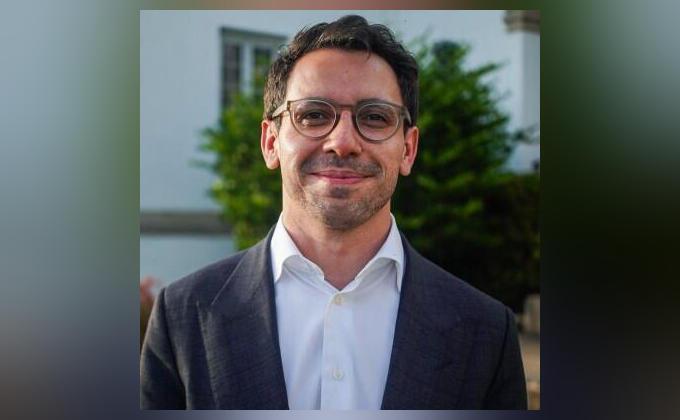
I’ll fire all H-1B workers at state agency: Florida Guv candidate
The debate over immigration and employment has been a contentious issue in the United States for years, with various politicians weighing in on the matter. Recently, James Fishback, a candidate running to succeed Ron DeSantis as Florida’s next Republican Governor, made a bold statement regarding H-1B visa holders working in state agencies. According to Fishback, if he is elected, he plans to “fire every H-1B [visa holder] working at a state agency.” This statement has sparked a heated discussion about the role of H-1B workers in the US job market and the potential consequences of such a policy.
Fishback’s statement was not limited to just firing H-1B workers; he also vowed to “cancel state contracts with companies that employ H-1Bs instead of qualified Floridians.” Furthermore, he expressed his intention to “incentivise companies to hire Americans again.” The candidate’s stance on H-1B workers is clear: he believes that these visa holders are taking jobs away from American citizens, and it’s time to prioritize the employment of qualified Floridians.
Fishback’s comments on H-1B workers are not an isolated incident. In the past, he has made similar statements, calling for the deportation of “illegals” and H-1B visa holders. His stance on immigration and employment is centered around the idea that American jobs should be reserved for American citizens, and that foreign workers are a threat to the US economy.
The H-1B visa program is a non-immigrant visa that allows US employers to temporarily employ foreign workers in specialty occupations. The program is designed to help US companies fill labor gaps in fields such as technology, engineering, and healthcare. However, critics of the program argue that it is often used to displace American workers with cheaper foreign labor.
Fishback’s plan to fire H-1B workers and incentivize companies to hire Americans raises several concerns. Firstly, it’s unclear how the candidate plans to replace the skills and expertise of H-1B workers. Many of these visa holders are highly educated and possess specialized skills that are in short supply in the US job market. Replacing them with American workers may not be as straightforward as Fishback suggests.
Moreover, Fishback’s plan could have unintended consequences on the Florida economy. The state is home to a thriving tech industry, which relies heavily on H-1B workers to fill key positions. If these workers are fired, it could lead to a brain drain and a loss of talent, ultimately harming the state’s economy.
Another issue with Fishback’s plan is that it may not be legally feasible. The H-1B visa program is a federal program, and states do not have the authority to unilaterally cancel contracts with companies that employ H-1B workers. Furthermore, firing H-1B workers without cause could lead to lawsuits and other legal challenges.
In conclusion, James Fishback’s plan to fire H-1B workers and incentivize companies to hire Americans is a contentious issue that raises several concerns. While the candidate’s intention to prioritize American workers is understandable, his plan may not be the most effective or practical solution to the issue. The US job market is complex, and a more nuanced approach to addressing the role of H-1B workers is needed.
As the debate over immigration and employment continues, it’s essential to consider the potential consequences of such policies on the US economy and job market. Fishback’s statement has sparked a necessary discussion about the role of H-1B workers in the US, and it’s crucial to approach this issue with a thoughtful and informed perspective.
About the Author