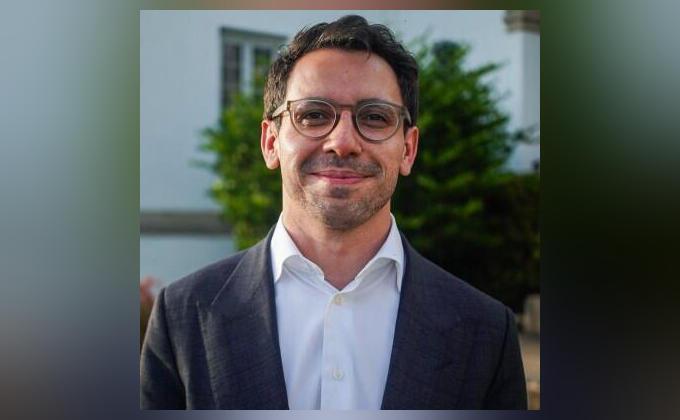
I’ll fire all H-1B workers at state agency: Florida Guv candidate
The debate over immigration and job security has been a contentious issue in the United States for years. Recently, James Fishback, a candidate running to succeed Ron DeSantis as Florida’s next Republican Governor, sparked controversy with his statement on H-1B visa holders working in state agencies. According to Fishback, if he is elected, he will “fire every H-1B [visa holder] working at a state agency”. This statement has raised eyebrows and sparked a heated discussion about the role of H-1B visa holders in the US job market.
Fishback’s statement is not just limited to firing H-1B workers; he also plans to “cancel state contracts with companies that employ H-1Bs instead of qualified Floridians”. He believes that this move will “incentivise companies to hire Americans again”. Furthermore, Fishback has also expressed his intention to “deport…illegals…[and] H-1Bs”, which has raised concerns among immigration advocates and experts. The question on everyone’s mind is: what will be the impact of such a policy on the US economy and job market?
To understand the implications of Fishback’s statement, it’s essential to know what H-1B visas are and how they work. H-1B visas are non-immigrant visas that allow foreign workers to work in the US for a specific period, usually up to six years. These visas are highly sought after, particularly in the tech industry, where companies often rely on foreign talent to fill skills gaps. The H-1B program is designed to allow US companies to hire foreign workers in specialty occupations, such as software engineering, data analysis, and medical research.
Proponents of the H-1B program argue that it helps US companies fill labor gaps and stay competitive in the global market. They also point out that H-1B visa holders contribute to the US economy by paying taxes, creating jobs, and innovating new products and services. On the other hand, critics of the program argue that it allows companies to replace American workers with cheaper foreign labor, which can lead to job losses and depressed wages for US workers.
Fishback’s statement is not an isolated incident; it’s part of a broader trend of anti-immigration rhetoric in US politics. In recent years, there has been a growing sentiment among some politicians and voters that immigration is a threat to American jobs and culture. This sentiment has led to increased scrutiny of immigration programs, including the H-1B visa program.
While Fishback’s statement may resonate with some voters, it’s essential to consider the potential consequences of such a policy. Firing all H-1B workers at state agencies could lead to a brain drain, as many of these workers are highly skilled and educated. It could also disrupt the operations of state agencies, which rely on these workers to deliver critical services. Moreover, canceling state contracts with companies that employ H-1B workers could harm the US economy, as these companies may be forced to relocate or downsize their operations.
It’s also worth noting that Fishback’s statement is not just about H-1B workers; it’s also about the broader issue of immigration. By linking H-1B workers to “illegals”, Fishback is perpetuating a false narrative that all immigrants are a threat to American jobs and security. This narrative is not only misleading but also divisive, as it pits American workers against immigrant workers.
In conclusion, James Fishback’s statement on firing all H-1B workers at state agencies is a controversial and complex issue. While it may resonate with some voters, it’s essential to consider the potential consequences of such a policy. The H-1B program is a vital part of the US economy, and any changes to it should be based on evidence and a careful consideration of the potential impact on US workers, companies, and the broader economy. As the debate over immigration and job security continues, it’s essential to approach this issue with nuance and sensitivity, recognizing the valuable contributions that immigrant workers make to the US economy and society.
About the Author