I’ll fire all H-1B workers at state agency: Florida Guv candidate
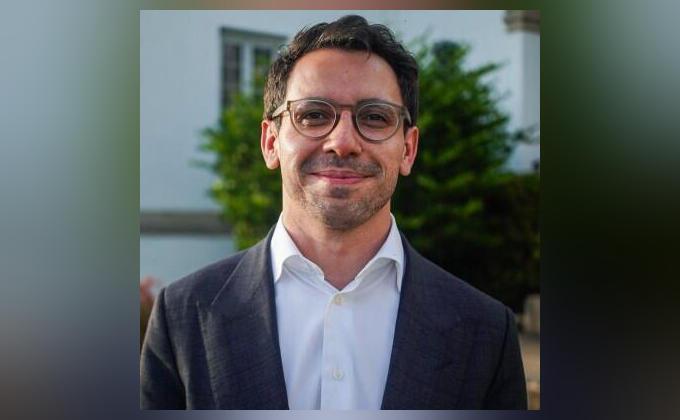
The debate over immigration and job security has been a longstanding issue in the United States, with various politicians weighing in on the matter. Recently, James Fishback, a candidate running to succeed Ron DeSantis as Florida’s next Republican Governor, made a bold statement regarding H-1B visa holders working in state agencies. According to Fishback, if he is elected, he will “fire every H-1B [visa holder] working at a state agency.” This statement has sparked a heated discussion about the role of H-1B workers in the US job market and the potential consequences of such a policy.
Fishback’s statement is not just limited to firing H-1B workers; he also plans to “cancel state contracts with companies that employ H-1Bs instead of qualified Floridians.” Furthermore, he aims to “incentivise companies to hire Americans again.” This approach, according to Fishback, will help create more job opportunities for American citizens, particularly in the state of Florida. However, it raises questions about the potential impact on the state’s economy and the companies that rely on H-1B workers.
The H-1B visa program is designed to allow US companies to temporarily employ foreign workers in specialty occupations, such as technology, engineering, and healthcare. The program is intended to fill labor gaps in the US job market, where there is a shortage of skilled American workers. However, critics argue that the program is often misused by companies to hire cheaper labor from abroad, rather than investing in American workers.
Fishback’s stance on H-1B workers is not limited to those working in state agencies. He has also expressed his desire to “deport…illegals…[and] H-1Bs.” This statement has raised concerns among immigration advocates, who argue that such a policy would be unfair and inhumane. They point out that H-1B workers are in the US legally, having gone through a rigorous application process, and contribute significantly to the US economy.
The potential consequences of firing all H-1B workers at state agencies and canceling contracts with companies that employ them are far-reaching. It could lead to a brain drain, as many of these workers are highly skilled and educated individuals who have chosen to work in the US. This, in turn, could harm the state’s economy, particularly in industries that rely heavily on H-1B workers, such as technology and healthcare.
Moreover, such a policy could have a negative impact on the state’s reputation, making it less attractive to international talent and businesses. The US has long been a destination of choice for skilled workers from around the world, and policies that discourage immigration could harm the country’s competitiveness in the global economy.
Fishback’s proposal also raises questions about the definition of “qualified Floridians.” Would this refer only to US citizens, or would it also include permanent residents and other legal immigrants? How would the state agency determine whether an American worker is “qualified” for a particular job, and what would happen to the H-1B workers who are currently employed in these agencies?
While Fishback’s statement may resonate with some voters who are concerned about job security and immigration, it is essential to consider the potential consequences of such a policy. The US economy has long benefited from the contributions of immigrant workers, and policies that discourage immigration could harm the country’s growth and competitiveness.
In conclusion, James Fishback’s proposal to fire all H-1B workers at state agencies and cancel contracts with companies that employ them is a controversial statement that has sparked a heated debate. While the intention behind the proposal may be to create more job opportunities for American citizens, it raises questions about the potential consequences for the state’s economy, the companies that rely on H-1B workers, and the workers themselves. As the debate over immigration and job security continues, it is essential to consider the complexities of the issue and the potential impact of such policies on the US economy and society.
About the Author