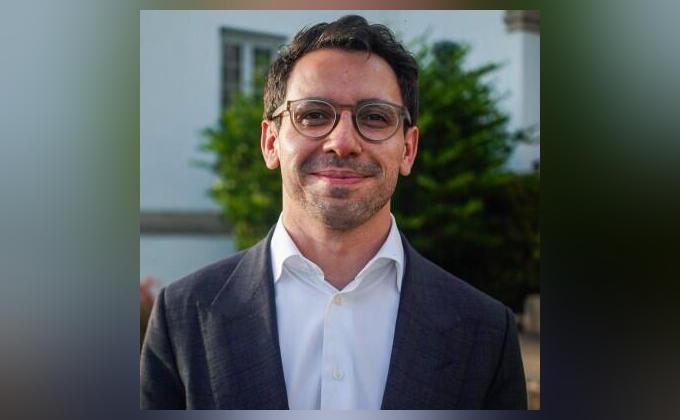
I’ll Fire All H-1B Workers at State Agency: Florida Guv Candidate
The debate over immigration and job security has been a contentious issue in the United States for years. Recently, James Fishback, a candidate running to succeed Ron DeSantis as Florida’s next Republican Governor, sparked controversy with his vow to “fire every H-1B [visa holder] working at a state agency” if he is elected. This statement has far-reaching implications for the tech industry, foreign workers, and the economy as a whole.
Fishback’s pledge is part of his broader campaign promise to prioritize the employment of American citizens over foreign workers. He stated, “[I will] cancel state contracts with companies that employ H-1Bs instead of qualified Floridians…will incentivise companies to hire Americans again.” This stance is not surprising, given the current political climate and the ongoing discussion about the role of immigration in the US job market.
The H-1B visa program allows US companies to temporarily employ foreign workers in specialty occupations, such as technology, engineering, and healthcare. Proponents of the program argue that it helps fill labor gaps and drives innovation, while critics claim that it displaces American workers and depresses wages. Fishback’s comments reflect the latter perspective, emphasizing the need to protect American jobs and promote domestic employment.
Fishback’s plan to incentivize companies to hire Americans instead of H-1B visa holders raises several questions. How will he ensure that companies prioritize American workers without compromising the quality of their workforce? Will his policies lead to a brain drain, as top talent from around the world is deterred from working in the US? The answers to these questions will depend on the specifics of his plan, which have not been fully articulated.
Furthermore, Fishback’s statement that “we need to deport…illegals…[and] H-1Bs” is concerning, as it conflates two distinct issues. While the topic of illegal immigration is complex and contentious, the H-1B visa program is a legal pathway for foreign workers to contribute to the US economy. Lumping H-1B visa holders together with undocumented immigrants is misleading and unfair, as these individuals have followed the proper channels to work in the US.
The impact of Fishback’s proposed policies on the tech industry could be significant. Many US companies, particularly in the tech sector, rely on H-1B visa holders to fill critical positions. If Fishback’s plan is implemented, these companies may struggle to find qualified American workers to replace their H-1B employees, potentially hindering innovation and growth.
Additionally, Fishback’s stance may harm Florida’s economy, which has benefited from the presence of foreign workers. The state’s tech industry, in particular, has grown significantly in recent years, with many companies establishing operations in cities like Miami and Tampa. If Fishback’s policies are enacted, these companies may reconsider their investments in Florida, potentially leading to job losses and economic stagnation.
In conclusion, James Fishback’s vow to fire all H-1B workers at state agencies and incentivize companies to hire Americans instead of foreign workers is a contentious issue that requires careful consideration. While the goal of promoting American employment is laudable, the means by which Fishback proposes to achieve it are questionable. The potential consequences of his policies, including a brain drain, harm to the tech industry, and economic stagnation, must be weighed against the potential benefits.
As the debate over immigration and job security continues, it is essential to approach the issue with nuance and understanding. Rather than relying on simplistic solutions or scapegoating foreign workers, policymakers should strive to create a balanced and equitable system that benefits both American workers and the economy as a whole.
About the Author