I’ll fire all H-1B workers at state agency: Florida Guv candidate
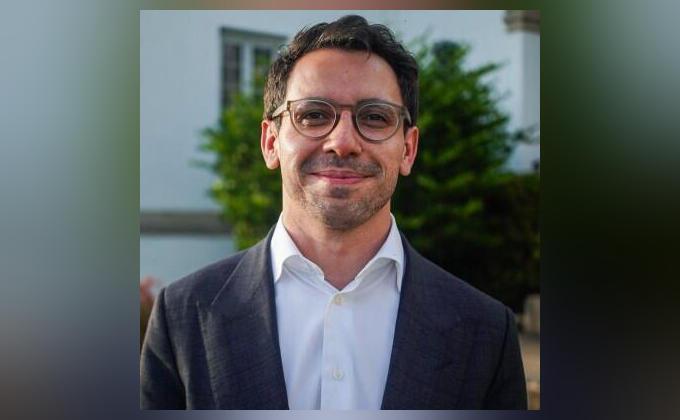
The debate over immigration and job security has been a contentious issue in the United States for years. Recently, James Fishback, a candidate running to succeed Ron DeSantis as Florida’s next Republican Governor, sparked controversy with his statement regarding H-1B visa holders working in state agencies. According to Fishback, if he is elected, he will “fire every H-1B [visa holder] working at a state agency.” This statement has sent shockwaves throughout the community, with many questioning the implications of such a policy.
Fishback’s statement is not just a campaign promise; it is a reflection of a broader sentiment that has been growing in the country. The idea that American jobs are being taken away by foreign workers, particularly those on H-1B visas, has been a talking point for many politicians. However, the reality of the situation is more complex. H-1B visa holders are highly skilled workers who come to the United States to fill specialized positions, often in fields such as technology, engineering, and healthcare.
The H-1B visa program is designed to allow companies to temporarily employ foreign workers in specialty occupations. These workers are typically required to have a bachelor’s degree or higher in their field, and they must be paid the prevailing wage for their position. The program is intended to help companies fill labor gaps and bring in expertise that may not be available in the domestic workforce.
Fishback’s plan to “cancel state contracts with companies that employ H-1Bs instead of qualified Floridians” and to “incentivise companies to hire Americans again” may seem like a straightforward solution to the perceived problem. However, it is essential to consider the potential consequences of such a policy. For one, it could lead to a brain drain, as highly skilled workers are forced to leave the country. This could have a negative impact on the economy, as these workers often start their own businesses, create jobs, and contribute to innovation.
Furthermore, Fishback’s statement that “we need to deport…illegals…[and] H-1Bs” is a concerning conflation of two separate issues. While the issue of illegal immigration is a complex one that requires a thoughtful and nuanced approach, it is not related to the H-1B visa program. H-1B visa holders are in the country legally, and they are subject to the same laws and regulations as any other worker.
It is also worth noting that Fishback’s plan may not even be feasible. The H-1B visa program is a federal program, and it is not clear whether a state governor would have the authority to unilaterally cancel contracts with companies that employ H-1B visa holders. Additionally, such a policy could potentially violate federal law, as it may be seen as discriminatory against foreign workers.
In conclusion, while the issue of job security and immigration is a complex one that requires a thoughtful and nuanced approach, Fishback’s plan to fire all H-1B workers at state agencies is not a solution. It is essential to consider the potential consequences of such a policy and to approach the issue with a more nuanced understanding of the H-1B visa program and its role in the economy.
As the debate over immigration and job security continues, it is crucial to separate fact from fiction and to approach the issue with a thoughtful and informed perspective. We must consider the potential consequences of our actions and work towards solutions that benefit both American workers and the economy as a whole.
About the Author