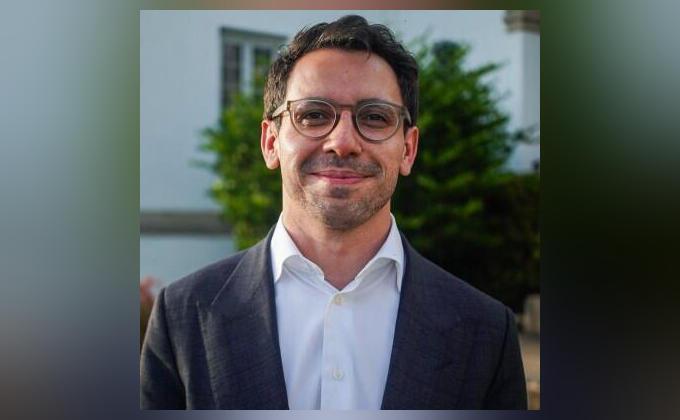
I’ll fire all H-1B workers at state agency: Florida Guv candidate
The debate around H-1B visas has been a contentious one in the United States, with proponents arguing that they are essential for filling labor gaps in key industries, while opponents claim that they take away jobs from American citizens. Recently, James Fishback, a candidate running to succeed Ron DeSantis as Florida’s next Republican Governor, has weighed in on the issue, making a bold and controversial pledge. If elected, Fishback has vowed to “fire every H-1B [visa holder] working at a state agency” and cancel state contracts with companies that employ H-1B workers instead of qualified Floridians.
Fishback’s statement has sparked a heated discussion about the role of H-1B visas in the American workforce and the impact of foreign labor on domestic employment opportunities. The H-1B visa program allows U.S. employers to temporarily hire foreign workers in specialty occupations, such as technology, engineering, and healthcare. However, critics argue that the program is often abused by companies looking to hire cheaper labor, rather than investing in American workers.
Fishback’s pledge to fire all H-1B workers at state agencies and cancel contracts with companies that employ them is a drastic measure aimed at incentivizing companies to hire Americans instead. “We need to deport…illegals…[and] H-1Bs,” Fishback had said, emphasizing his commitment to prioritizing American workers. While his statement may resonate with some voters who feel that foreign labor is taking away jobs from Americans, it has also raised concerns about the potential consequences of such a policy.
One of the primary concerns is the potential impact on the state’s economy. Florida is a hub for various industries, including technology, tourism, and healthcare, which rely heavily on foreign labor. Firing all H-1B workers at state agencies and canceling contracts with companies that employ them could lead to a significant brain drain, as many of these workers are highly skilled and experienced professionals. This could ultimately harm the state’s economy, as companies may be forced to look elsewhere for the talent they need to operate.
Another concern is the potential for discrimination against foreign workers. While Fishback’s pledge is aimed at prioritizing American workers, it may also be seen as discriminatory against foreign workers who are in the United States legally. The H-1B visa program is designed to allow U.S. employers to hire foreign workers who possess specialized skills and knowledge that are not readily available in the domestic labor market. By firing all H-1B workers at state agencies and canceling contracts with companies that employ them, Fishback’s policy may be seen as unfairly targeting foreign workers who are contributing to the state’s economy.
Furthermore, Fishback’s pledge may also have unintended consequences for American workers. While the goal of prioritizing American workers is laudable, it may not necessarily lead to more jobs for Americans. Many companies rely on H-1B workers to fill labor gaps, and firing them may not necessarily create new job opportunities for American workers. In fact, it may lead to a shortage of skilled workers, which could harm the state’s economy and ultimately hurt American workers.
In conclusion, James Fishback’s pledge to fire all H-1B workers at state agencies and cancel contracts with companies that employ them is a controversial and potentially damaging policy. While the goal of prioritizing American workers is understandable, it is essential to consider the potential consequences of such a policy. The H-1B visa program is a complex issue that requires a nuanced approach, one that balances the needs of American workers with the needs of U.S. employers. Rather than taking a drastic and discriminatory approach, policymakers should focus on reforming the H-1B visa program to ensure that it is working in the best interests of American workers and the U.S. economy as a whole.
About the Author