I’ll fire all H-1B workers at state agency: Florida Guv candidate
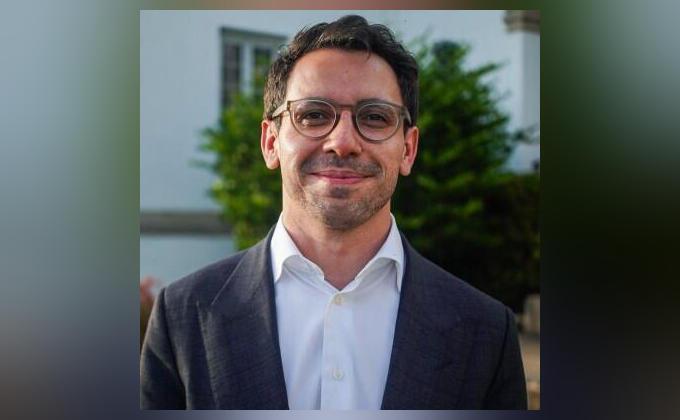
The debate over H-1B visas has been a contentious issue in the United States, with some arguing that they are essential for filling labor gaps in certain industries, while others claim that they take jobs away from American citizens. Recently, James Fishback, a candidate running to succeed Ron DeSantis as Florida’s next Republican Governor, made a bold statement that has sparked controversy and discussion. According to Fishback, if he is elected, he plans to “fire every H-1B [visa holder] working at a state agency.” This statement has significant implications for the future of H-1B workers in Florida and raises important questions about the role of these visas in the state’s economy.
Fishback’s statement was part of a broader pledge to prioritize the hiring of American citizens over foreign workers. He vowed to “cancel state contracts with companies that employ H-1Bs instead of qualified Floridians” and claimed that this would “incentivise companies to hire Americans again.” This approach is based on the idea that H-1B workers are taking jobs away from American citizens, and that by eliminating these visas, companies will be forced to hire domestic workers instead.
However, critics argue that this approach is overly simplistic and fails to account for the complexities of the labor market. Many industries, such as tech and healthcare, rely heavily on H-1B workers to fill specialized positions that require specific skills and expertise. By firing all H-1B workers at state agencies, Fishback’s policy could lead to significant disruptions in these industries, potentially harming the state’s economy.
Furthermore, Fishback’s statement also raises concerns about the treatment of immigrant workers. He has previously stated that “we need to deport…illegals…[and] H-1Bs,” which has been interpreted by some as a call to deport all immigrant workers, regardless of their legal status. This approach has been criticized as xenophobic and discriminatory, and could lead to a hostile environment for immigrant workers in Florida.
The H-1B visa program is designed to allow companies to temporarily employ foreign workers in specialty occupations, such as IT, engineering, and healthcare. The program is capped at 85,000 visas per year, and applicants must meet specific requirements, including a bachelor’s degree or higher in the relevant field. However, the program has been criticized for being exploited by some companies, which use it to bring in cheaper labor from abroad rather than hiring American workers.
Fishback’s pledge to fire all H-1B workers at state agencies is not just a matter of policy, but also a reflection of the broader debate over immigration and labor in the United States. On one hand, there are those who argue that H-1B visas are essential for filling labor gaps and driving innovation in key industries. On the other hand, there are those who claim that these visas are taking jobs away from American citizens and driving down wages.
Ultimately, the decision to fire all H-1B workers at state agencies would have significant implications for the state’s economy and labor market. While it may be popular with some voters, it could also lead to significant disruptions in key industries and harm the state’s reputation as a welcoming place for immigrant workers.
As the debate over H-1B visas continues, it is essential to approach the issue with nuance and understanding. Rather than simply calling for the elimination of these visas, policymakers should work to reform the program to ensure that it is fair, effective, and benefits both American workers and the economy as a whole.
In conclusion, James Fishback’s pledge to fire all H-1B workers at state agencies has sparked controversy and debate over the role of these visas in Florida’s economy. While the issue is complex and multifaceted, it is clear that any policy approach must prioritize fairness, effectiveness, and the well-being of both American workers and immigrant workers. As the state of Florida moves forward, it is essential to approach this issue with careful consideration and a commitment to finding solutions that benefit all stakeholders.
About the Author