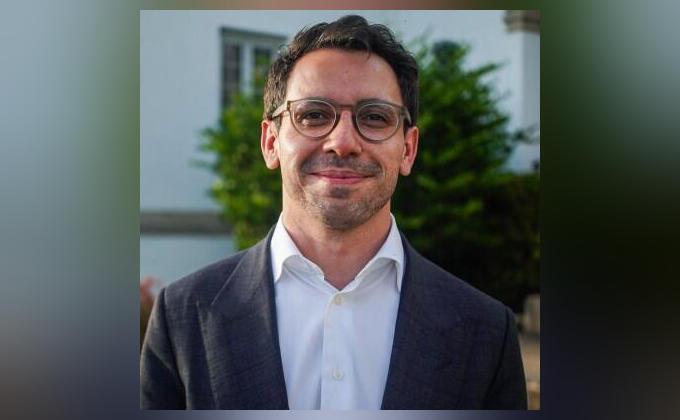
I’ll fire all H-1B workers at state agency: Florida Guv candidate
The debate over immigration and job security has been a contentious issue in the United States for years. Recently, James Fishback, a candidate running to succeed Ron DeSantis as Florida’s next Republican Governor, made a bold statement that has sparked controversy and discussion. According to Fishback, if he is elected, he will “fire every H-1B [visa holder] working at a state agency.” This statement has significant implications for the tech industry, which heavily relies on H-1B visa holders to fill skilled labor gaps.
Fishback’s statement is not just a simple promise to reduce the number of H-1B workers in state agencies. It is part of a broader plan to “cancel state contracts with companies that employ H-1Bs instead of qualified Floridians” and to “incentivise companies to hire Americans again.” This approach is based on the idea that American workers are being unfairly displaced by foreign workers, and that companies are taking advantage of the H-1B visa program to hire cheaper labor.
The H-1B visa program is a non-immigrant visa that allows US companies to employ foreign workers in specialty occupations. The program is designed to help companies fill labor gaps in areas such as tech, engineering, and healthcare. However, the program has been criticized for being exploited by companies to hire cheaper labor, rather than investing in training and hiring American workers.
Fishback’s plan to fire all H-1B workers at state agencies and cancel contracts with companies that employ them is likely to have significant consequences for the tech industry. Many tech companies rely heavily on H-1B visa holders to fill skilled labor gaps, and a sudden loss of these workers could disrupt business operations and lead to significant costs.
Moreover, Fishback’s statement that “we need to deport…illegals…[and] H-1Bs” is likely to be controversial and divisive. While the goal of deporting undocumented immigrants may be a popular stance among some voters, the inclusion of H-1B visa holders in this statement is likely to be seen as unfair and misguided. H-1B visa holders are in the US legally, and they are contributing to the economy and paying taxes.
The impact of Fishback’s plan on the economy and job market is also worth considering. While the goal of incentivizing companies to hire American workers may be laudable, it is not clear that simply firing H-1B workers and canceling contracts with companies that employ them will achieve this goal. In fact, it is likely to have the opposite effect, as companies may be forced to relocate to other states or countries where they can access the skilled labor they need.
Furthermore, Fishback’s plan is likely to have significant consequences for the state of Florida’s economy. The state is home to a thriving tech industry, and many companies rely on H-1B visa holders to fill skilled labor gaps. A sudden loss of these workers could lead to significant disruption and costs, and could even lead to companies relocating to other states or countries.
In conclusion, James Fishback’s statement that he will fire all H-1B workers at state agencies and cancel contracts with companies that employ them is a bold and controversial move. While the goal of incentivizing companies to hire American workers may be laudable, it is not clear that this approach will achieve the desired outcome. In fact, it is likely to have significant consequences for the tech industry, the state of Florida’s economy, and the job market as a whole.
As the debate over immigration and job security continues, it is essential to consider the potential consequences of such policies. Rather than simply firing H-1B workers and canceling contracts with companies that employ them, policymakers should focus on creating a fair and equitable system that benefits both American workers and the economy as a whole.
About the Author