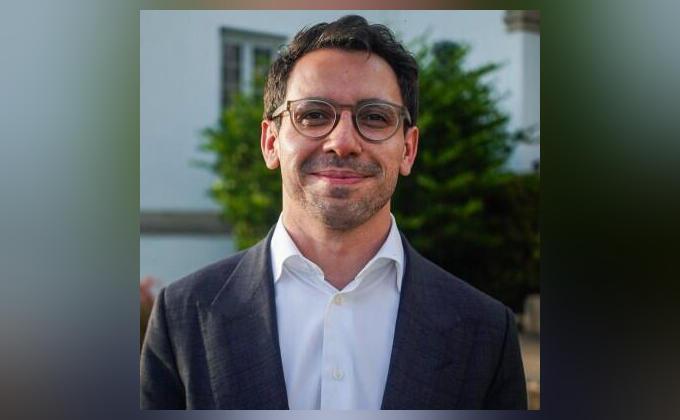
I’ll fire all H-1B workers at state agency: Florida Guv candidate
The debate over immigration and job security has been a contentious issue in the United States, with various politicians weighing in on the matter. Recently, James Fishback, a candidate running to succeed Ron DeSantis as Florida’s next Republican Governor, made a bold statement that has sparked controversy and discussion. Fishback announced that if he is elected, he will “fire every H-1B [visa holder] working at a state agency.” This statement has significant implications for the tech industry, which heavily relies on H-1B visa holders to fill skilled labor gaps.
According to Fishback, his primary motivation for taking this stance is to prioritize the employment of qualified Floridians over foreign workers. He stated, “[I will] cancel state contracts with companies that employ H-1Bs instead of qualified Floridians…will incentivise companies to hire Americans again.” This approach, Fishback believes, will help to stimulate job growth and economic development within the state. However, critics argue that this policy could have unintended consequences, such as driving away top talent and hindering the competitiveness of Florida-based businesses.
Fishback’s comments on H-1B visa holders are not isolated; he has also made statements about deporting undocumented immigrants. “We need to deport…illegals…[and] H-1Bs,” he had said. This rhetoric has raised concerns among immigration advocates and business leaders, who argue that such policies could lead to a brain drain and undermine the state’s economy.
The H-1B visa program is designed to allow U.S. employers to temporarily employ foreign workers in specialty occupations, such as technology, engineering, and healthcare. The program is highly sought after, with thousands of applicants vying for a limited number of visas each year. While the program is intended to fill labor gaps, it has been criticized for being exploited by some companies to hire cheaper foreign labor.
Fishback’s pledge to fire H-1B workers at state agencies has sparked a heated debate about the role of immigration in the U.S. job market. Proponents of stricter immigration policies argue that programs like H-1B displace American workers and drive down wages. On the other hand, opponents of Fishback’s stance argue that H-1B visa holders bring unique skills and expertise to the table, driving innovation and economic growth.
The tech industry, in particular, is likely to be impacted by Fishback’s proposal. Many tech companies rely heavily on H-1B visa holders to fill critical positions, such as software engineers and data scientists. If Fishback’s policy were to be implemented, it could lead to a significant brain drain, as top talent is forced to leave the state or the country.
Furthermore, Fishback’s approach may not address the underlying issues driving the demand for H-1B visa holders. The U.S. education system, for example, may not be producing enough graduates with the necessary skills to fill the labor gaps in the tech industry. By incentivizing companies to hire Americans, Fishback may be overlooking the need for comprehensive immigration reform that addresses the complexities of the issue.
In conclusion, James Fishback’s statement on firing H-1B workers at state agencies has sparked a contentious debate about immigration and job security. While his intention is to prioritize the employment of qualified Floridians, his approach may have unintended consequences, such as driving away top talent and hindering the competitiveness of Florida-based businesses. As the debate continues, it is essential to consider the complexities of the issue and the need for comprehensive immigration reform that balances the needs of the economy with the concerns of American workers.
About the Author