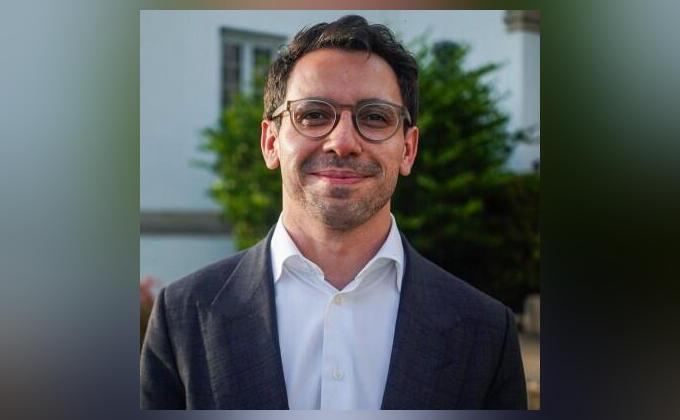
I’ll fire all H-1B workers at state agency: Florida Guv candidate
The debate over immigration and job security has been a longstanding one in the United States, with various politicians weighing in on the issue. Recently, James Fishback, a candidate running to succeed Ron DeSantis as Florida’s next Republican Governor, made a statement that has sparked controversy and discussion. Fishback declared that if he is elected, he will “fire every H-1B [visa holder] working at a state agency”. This statement has far-reaching implications and raises important questions about the role of H-1B visa holders in the American workforce.
For those who may be unfamiliar, H-1B visas are a type of non-immigrant visa that allows foreign workers to temporarily work in the United States in specialty occupations. These occupations can range from technology and engineering to healthcare and finance. The H-1B program is designed to help American companies fill labor gaps by hiring highly skilled foreign workers. However, the program has been criticized by some for allegedly displacing American workers and driving down wages.
Fishback’s statement is not just a pledge to fire H-1B workers, but also a broader critique of the H-1B program. He argues that companies are using the program to hire foreign workers instead of qualified Americans, and that this is detrimental to the American economy. “We need to deport…illegals…[and] H-1Bs,” Fishback had said, emphasizing his commitment to prioritizing American workers. Furthermore, he plans to “cancel state contracts with companies that employ H-1Bs instead of qualified Floridians” and will incentivize companies to hire Americans again.
On the surface, Fishback’s proposal may seem like a straightforward solution to the issue of job security for American workers. However, the reality is far more complex. Many American companies rely on H-1B workers to fill critical labor gaps, particularly in fields such as technology and healthcare. These workers are often highly skilled and bring unique expertise to their roles. By firing H-1B workers, Fishback’s plan could potentially disrupt the operations of these companies and have unintended consequences for the economy.
Moreover, Fishback’s plan raises questions about the fairness and legality of targeting H-1B workers. H-1B visa holders are in the United States legally, having gone through a rigorous application process to obtain their visas. They pay taxes, contribute to the economy, and often have families and communities here. By singling out H-1B workers for firing, Fishback’s plan could be seen as discriminatory and unfair.
It is also worth noting that Fishback’s plan may not be entirely feasible. As Governor, he would not have the authority to unilaterally fire H-1B workers or cancel state contracts. These decisions would require the cooperation of state agencies, companies, and other stakeholders. Furthermore, the H-1B program is a federal program, and any changes to it would require Congressional action.
Despite these challenges, Fishback’s proposal has sparked an important conversation about the role of H-1B workers in the American economy. While some may argue that the H-1B program is necessary to fill labor gaps and drive innovation, others may see it as a threat to American job security. As the debate over immigration and job security continues, it is essential to consider the complexities of the issue and the potential consequences of policies like Fishback’s.
In conclusion, James Fishback’s pledge to fire all H-1B workers at state agencies has sparked controversy and discussion about the role of H-1B visa holders in the American workforce. While the proposal may seem like a straightforward solution to the issue of job security, it raises important questions about fairness, legality, and feasibility. As the debate over immigration and job security continues, it is essential to consider the complexities of the issue and the potential consequences of policies like Fishback’s.
About the Author