I Believe Trump Won’t Use Force to Seize Greenland: Meloni
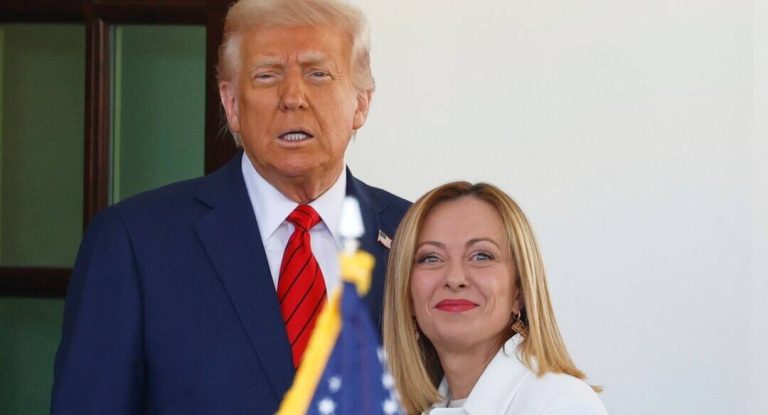
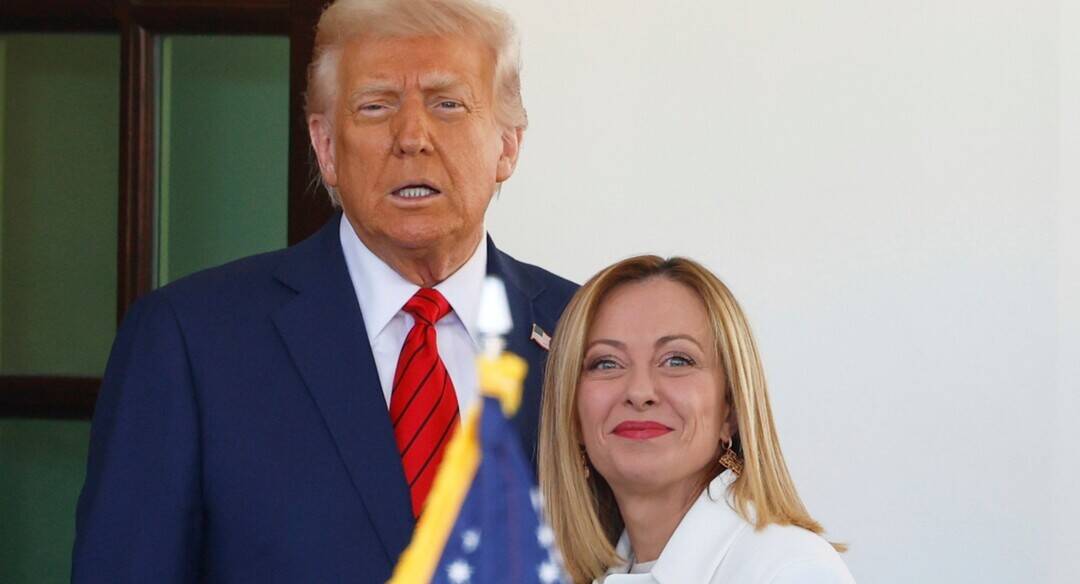
The recent statements made by Italian Prime Minister Giorgia Meloni have sparked a wave of interest in the international community, particularly with regards to the United States’ potential actions towards Greenland. In a surprising turn of events, Meloni expressed her skepticism about the possibility of the United States using military force to seize Greenland, a notion that has been circulating in the media for quite some time. This statement comes as a breath of fresh air, especially considering the complex and often tumultuous relationship between the US and other nations.
Meloni’s remarks were made in the context of a broader discussion about global politics and the role of major world powers. When asked about the possibility of the US using force to acquire Greenland, Meloni was quick to dismiss the idea, stating that she does not believe such an action would be taken. This statement is significant, as it reflects the Italian Prime Minister’s understanding of the current geopolitical climate and the potential consequences of such a move.
The idea of the US attempting to seize Greenland is not entirely new. In 2019, former US President Donald Trump sparked controversy when he suggested that the US should purchase Greenland from Denmark. The proposal was met with widespread criticism and ridicule, with many experts labeling it as unrealistic and even absurd. However, the fact that Trump would even consider such a move has led to speculation about the US’s intentions towards the autonomous Danish territory.
Meloni’s statement is not only a reflection of her own views but also a testament to the complex nature of international relationships. As the leader of a major European nation, Meloni is well aware of the potential consequences of the US using force to seize Greenland. Such an action would not only be a blatant violation of international law but also a direct challenge to the sovereignty of Denmark and the autonomy of Greenland.
The Italian Prime Minister’s warning about the potential consequences of such a move is particularly noteworthy. Meloni emphasized that using military force to seize Greenland would have grave consequences for NATO, the North Atlantic Treaty Organization. As a key member of NATO, Italy has a vested interest in maintaining the stability and security of the region. Any action that could potentially destabilize the alliance would be deeply concerning for Meloni and other European leaders.
It is also interesting to note that Meloni has previously expressed support for Trump’s policies, particularly with regards to Venezuela. However, when it comes to the issue of Greenland, Meloni is quick to distance herself from the former US President’s views. This highlights the complexity of international politics, where leaders must navigate multiple issues and alliances, often finding themselves at odds with other nations or leaders on specific matters.
In conclusion, Meloni’s statement about the US’s potential actions towards Greenland is a significant development in the world of international politics. Her skepticism about the possibility of the US using military force to seize the territory is a welcome respite from the speculation and uncertainty that has surrounded this issue. As the global community continues to navigate the complexities of international relationships, it is essential to prioritize diplomacy, cooperation, and respect for sovereignty.
The fact that Meloni would not support any US move to seize Greenland by force is a testament to her commitment to upholding international law and respecting the autonomy of other nations. As the world becomes increasingly interconnected, it is crucial for leaders to prioritize dialogue and cooperation, rather than resorting to force or coercion.
Ultimately, the issue of Greenland serves as a reminder of the delicate balance of power in the world. As nations navigate their relationships with one another, it is essential to prioritize respect, diplomacy, and cooperation. The consequences of failing to do so could be severe, with far-reaching implications for global stability and security.
About the Author