I Believe Trump Won’t Use Force to Seize Greenland: Meloni
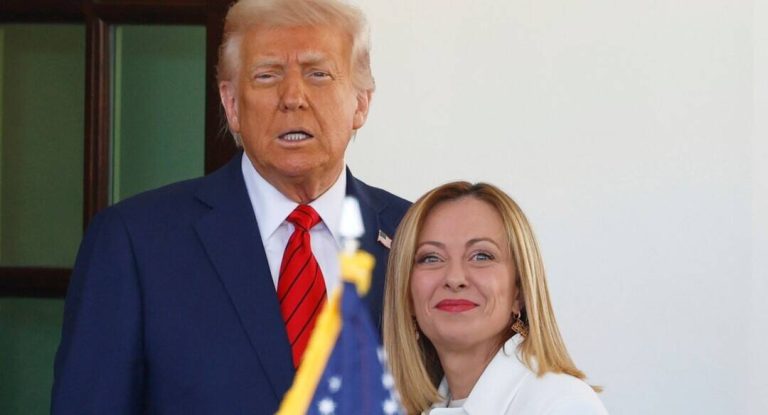
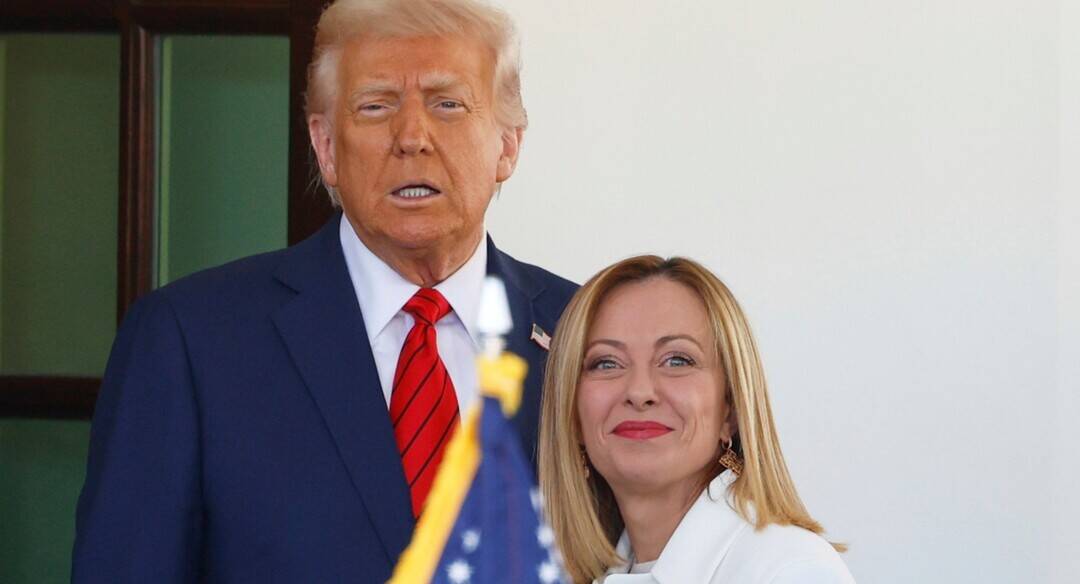
In a recent statement, Italian Prime Minister Giorgia Meloni expressed her doubts about the possibility of the United States using military force to seize Greenland. This comment comes amidst speculation and concerns about the intentions of former US President Donald Trump, who has previously expressed interest in purchasing the autonomous territory from Denmark. Meloni’s statement not only reflects her own stance on the matter but also highlights the potential implications of such an action for the North Atlantic Treaty Organization (NATO) and the global community.
To understand the context of Meloni’s statement, it is essential to look back at the history of the Greenland issue. In 2019, Trump sparked controversy when he suggested that the US should consider buying Greenland from Denmark. The idea was met with widespread criticism and ridicule, with many seeing it as an unrealistic and even absurd proposal. However, the fact that a US president would even consider such a move raised concerns about the potential consequences for international relations and global stability.
Meloni’s statement is significant because it reflects the perspective of a key European leader on the matter. As the Prime Minister of Italy, Meloni plays an important role in shaping European policy and contributing to the decisions of NATO, of which Italy is a member. By expressing her doubts about the likelihood of the US using force to seize Greenland, Meloni is sending a message that such an action would be unacceptable and would have severe consequences for the alliance.
One of the primary concerns about the potential seizure of Greenland is the impact it would have on NATO. The organization, which was established in the aftermath of World War II, is dedicated to providing collective defense against potential security threats. The inclusion of Greenland, which is strategically located in the North Atlantic, would significantly enhance the military capabilities of the US and potentially alter the balance of power within the alliance. However, such a move would also be seen as a violation of Denmark’s sovereignty and territorial integrity, which could lead to a crisis within NATO and potentially even its dissolution.
Meloni’s warning about the consequences of a US-led seizure of Greenland is not unfounded. The move would likely be met with widespread condemnation from the international community, including European nations that are members of NATO. It would also raise questions about the commitment of the US to the principles of sovereignty and territorial integrity, which are fundamental to the functioning of the international system. Furthermore, it would create tensions within the alliance, potentially leading to a rift between the US and its European partners.
It is also worth noting that Meloni’s statement comes amidst a broader context of uncertainty and instability in international relations. The COVID-19 pandemic, the war in Ukraine, and the rising tensions between major powers have all contributed to a sense of unease and unpredictability. In this context, the possibility of the US using force to seize Greenland would be seen as a highly provocative and destabilizing move, which could have far-reaching consequences for global security and stability.
Meloni’s statement also reflects her own complex relationship with Trump. While she has expressed agreement with him on certain issues, such as Venezuela, she has also been critical of his policies and actions on other matters. By stating that she would not support a US-led seizure of Greenland, Meloni is sending a clear message that she values the principles of sovereignty and territorial integrity, and that she is committed to upholding the norms and values of the international system.
In conclusion, Meloni’s statement about the possibility of the US using force to seize Greenland reflects a deeper concern about the implications of such an action for NATO and the global community. By expressing her doubts about the likelihood of such a move, Meloni is sending a message that the principles of sovereignty and territorial integrity must be respected, and that any attempt to violate these principles would have severe consequences. As the world continues to navigate the challenges and uncertainties of the 21st century, it is essential that leaders like Meloni speak out against provocative and destabilizing actions, and that they work towards upholding the norms and values that underpin the international system.
About the Author