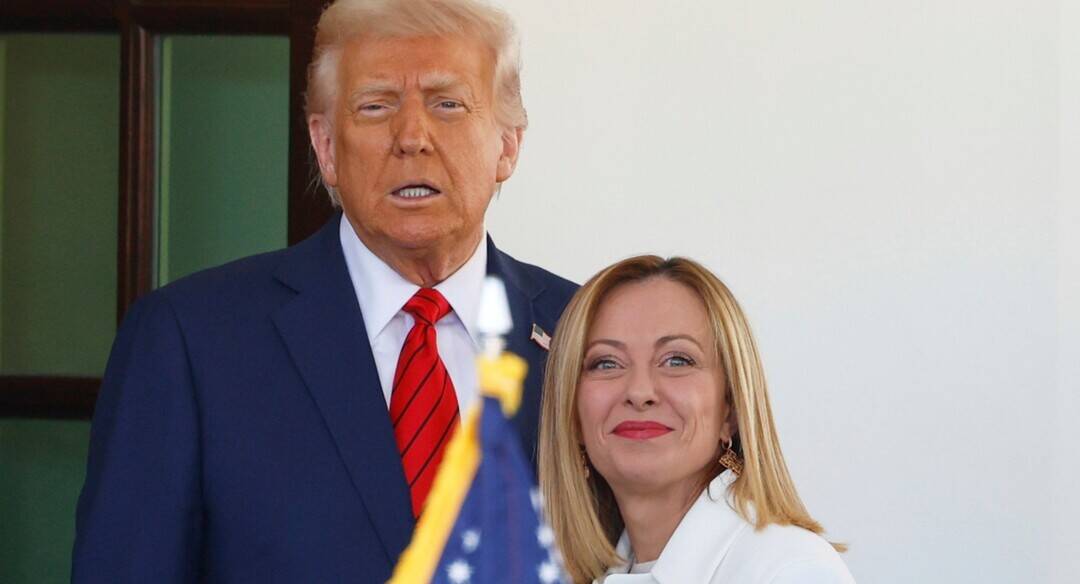
I Believe Trump Won’t Use Force to Seize Greenland: Meloni
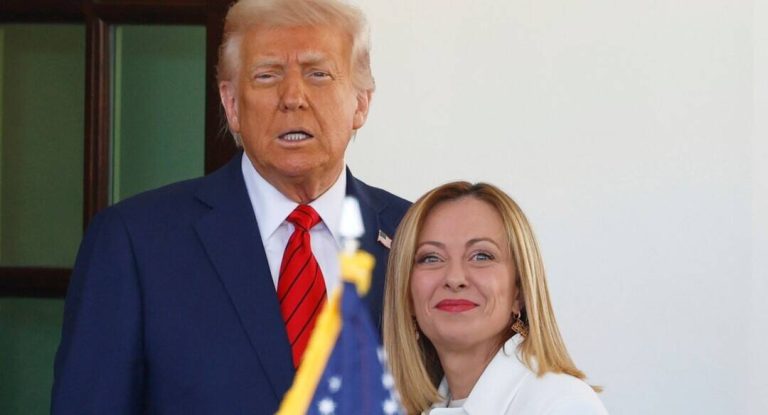
The world of international politics is never short on surprises, and the recent statements from Italian Prime Minister Giorgia Meloni have added another layer of intrigue to the complex web of global relationships. In a bold declaration, Meloni expressed her belief that the United States, under the leadership of former President Donald Trump, would not resort to using military force to seize Greenland. This assertion comes as a relief to many, given the potential consequences of such an action, not just for Greenland but for the stability of the North Atlantic Treaty Organization (NATO) and global peace.
To understand the context of Meloni’s statement, it’s essential to delve into the history and significance of Greenland. Greenland, an autonomous territory within the Kingdom of Denmark, has been a point of interest for various nations due to its strategic location and rich natural resources. The idea of the United States acquiring Greenland is not new; in fact, it has been a topic of discussion for decades, with the U.S. having previously considered purchasing the island from Denmark in the early 20th century.
However, the contemporary context of this discussion is significantly different. In recent years, Greenland’s importance has grown due to its geopolitical position in the Arctic, a region that is becoming increasingly significant due to climate change and the potential for new shipping lanes and natural resource extraction. The U.S. has expressed interest in bolstering its presence in the Arctic, which has led to speculation about its intentions regarding Greenland.
Meloni’s statement, “I agreed with Trump on Venezuela. I do not agree with him on Greenland,” highlights the nuanced nature of international diplomacy, where alliances and agreements can vary greatly depending on the issue at hand. Her agreement with Trump on Venezuela refers to their shared stance on the Venezuelan political crisis, where both have expressed support for the opposition leader Juan Guaidó. However, when it comes to Greenland, Meloni’s disagreement underscores the sensitivity and potential consequences of U.S. actions in the region.
The Italian Prime Minister’s belief that Trump would not use force to seize Greenland is based on her understanding of the former President’s approach to international relations and the strategic importance of maintaining good relations with NATO allies. Seizing Greenland by force would not only violate international law and the principles of sovereignty but would also have grave consequences for NATO, potentially destabilizing the alliance at a time when unity is crucial in the face of global challenges.
NATO, founded on the principles of collective defense and cooperation, has been the cornerstone of European and North American security since its inception. Any action that undermines the sovereignty of a NATO member state or threatens the stability of the region could have far-reaching and devastating consequences. Meloni’s warning about the potential consequences for NATO serves as a reminder of the delicate balance of power in international relations and the importance of respecting the sovereignty and territorial integrity of all nations.
In expressing her disagreement with the idea of using force to acquire Greenland, Meloni also sends a strong message about Italy’s stance on international law and the principles of diplomacy. Her position reflects a commitment to resolving disputes through dialogue and cooperation, rather than resorting to military might. This approach is not only in line with the principles of the United Nations Charter but also reflects a broader European perspective on international relations, which emphasizes the importance of multilateralism and the rule of law.
As the world navigates the complexities of the 21st century, statements like Meloni’s serve as a reminder of the critical role that diplomacy and international cooperation play in maintaining peace and stability. The situation regarding Greenland and U.S. intentions in the Arctic will undoubtedly continue to evolve, with significant implications for global politics and security.
In conclusion, Meloni’s belief that Trump won’t use force to seize Greenland offers a glimpse into the intricate world of international diplomacy, where leaders must balance national interests with the need for global cooperation and respect for sovereignty. As nations move forward in addressing the challenges of the Arctic and beyond, it is crucial that they do so with a commitment to dialogue, international law, and the principles of peace and cooperation that underpin the NATO alliance.
About the Author