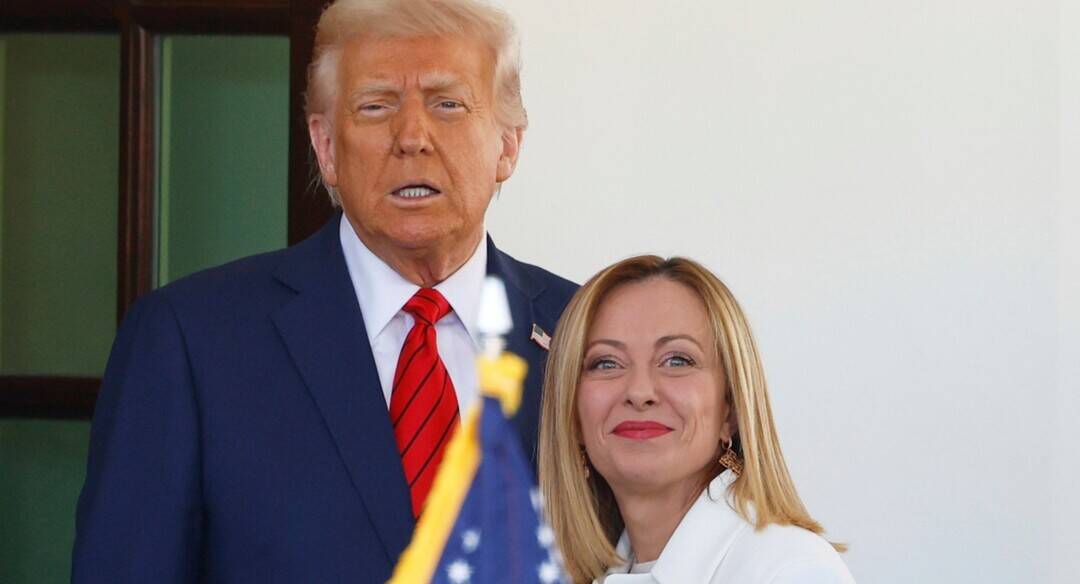
I believe Trump won’t use force to seize Greenland: Meloni
In a recent statement, Italian Prime Minister Giorgia Meloni expressed her doubts about the possibility of the United States using military force to seize Greenland. This comes after former US President Donald Trump’s comments about purchasing the island from Denmark, which sparked a wave of controversy and concern among the international community. Meloni’s statement is significant, as it reflects the views of a key European leader on a potentially sensitive and volatile issue.
According to Meloni, she does not believe that the US would resort to using force to acquire Greenland, and she would not support any such action if it were to happen. This stance is consistent with the principles of international law and diplomacy, which emphasize the importance of respecting the sovereignty and territorial integrity of other nations. Meloni’s warning that a military takeover of Greenland would have grave consequences for NATO is also noteworthy, as it highlights the potential risks and repercussions of such a move on the alliance and global stability.
It is interesting to note that Meloni has previously expressed agreement with Trump on certain issues, such as the situation in Venezuela. However, she has made it clear that she does not share his views on Greenland, stating “I agreed with Trump on Venezuela. I do not agree with him on Greenland.” This statement suggests that Meloni is willing to engage in constructive dialogue and cooperation with the US on certain matters, but she is also prepared to take a firm stance on issues where she disagrees with American policy.
The idea of the US purchasing Greenland is not new, and it has been floated by various American politicians and commentators over the years. However, Trump’s comments on the matter have sparked a renewed debate about the potential benefits and drawbacks of such a move. Some argue that acquiring Greenland could provide the US with strategic military bases, access to natural resources, and a stronger presence in the Arctic region. Others, however, point out that such a move would be deeply unpopular with the people of Greenland and Denmark, and could damage relations between the US and its European allies.
From a historical perspective, the concept of purchasing or annexing territories is not unprecedented. In the past, various empires and nations have expanded their territories through conquest, colonization, or purchase. However, in the modern era, such actions are generally viewed as unacceptable and are often met with widespread condemnation. The principles of national sovereignty and self-determination are enshrined in international law, and any attempt to disregard these principles could have serious consequences for global stability and cooperation.
Meloni’s statement on Greenland is also significant in the context of Italy’s relations with the US and the European Union. As a key player in the EU, Italy has a strong interest in maintaining good relations with its European partners and upholding the principles of international law. At the same time, Italy also values its relationship with the US and seeks to cooperate with Washington on a range of issues, from counter-terrorism to trade and economic development.
In conclusion, Meloni’s comments on Greenland reflect a nuanced and thoughtful approach to international relations. By expressing her doubts about the possibility of a US military takeover of the island, and warning about the potential consequences of such a move, Meloni is underscoring the importance of respecting national sovereignty and upholding the principles of international law. As the international community continues to navigate the complexities of global politics and diplomacy, Meloni’s statement serves as a reminder of the need for careful consideration, cooperation, and dialogue in addressing the challenges and opportunities of the 21st century.
About the Author