Hyundai stock falls 4% after Trump imposes 25% tariff on S-Korea
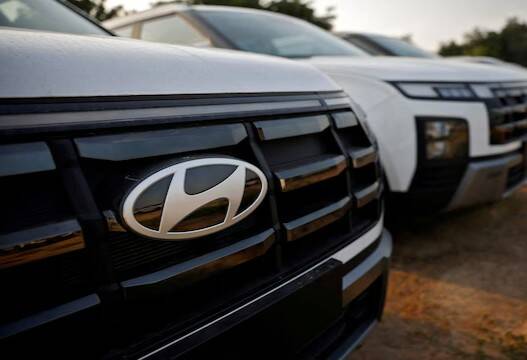
The global trade landscape has been witnessing significant turmoil in recent times, with the United States imposing tariffs on various countries, including South Korea. The latest move by the US government has sent shockwaves through the automotive industry, particularly affecting Hyundai, one of the biggest automobile companies in South Korea. On Tuesday, the shares of Hyundai saw a sharp decline, falling as much as 4.77%, according to CNBC TV18. This came after Donald Trump, the President of the United States, imposed a 25% tariff on the Southeast Asian country.
The tariff imposition has been a significant blow to Hyundai, which is one of the largest automobile manufacturers in South Korea. The company’s subsidiary, Kia, also witnessed a decline in its shares, dropping nearly 3.5%. The affiliated Hyundai Mobis, which is a leading automotive parts manufacturer, was down 5%. The decline in shares is a clear indication of the market’s reaction to the tariff imposition, which is expected to have a significant impact on the company’s exports to the United States.
The US government’s decision to impose a 25% tariff on South Korean automobiles and pharmaceutical products has been met with widespread criticism. The move is expected to affect not only Hyundai but also other South Korean companies that export goods to the United States. The tariff imposition is part of the US government’s efforts to reduce its trade deficit with other countries, including South Korea. However, the move is expected to have far-reaching consequences, including higher prices for consumers and potential job losses.
The impact of the tariff imposition on Hyundai is expected to be significant, as the company relies heavily on exports to the United States. Hyundai is one of the largest automobile manufacturers in the world, and the US market is a crucial one for the company. The tariff imposition is expected to make Hyundai’s vehicles more expensive in the US market, which could lead to a decline in sales. The company may be forced to absorb the additional cost of the tariff, which could affect its profit margins.
The decline in Hyundai’s shares is also a reflection of the market’s concerns about the ongoing trade tensions between the United States and South Korea. The trade tensions have been escalating in recent times, with both countries imposing tariffs on each other’s goods. The situation has been further complicated by the US government’s decision to impose tariffs on other countries, including China, which has led to a global trade war.
The impact of the tariff imposition on the global economy is expected to be significant, with many countries witnessing a decline in trade volumes. The World Trade Organization (WTO) has warned that the ongoing trade tensions could lead to a decline in global trade, which could have far-reaching consequences for the global economy. The WTO has called on countries to resolve their trade differences through dialogue and negotiations, rather than imposing tariffs on each other’s goods.
In the context of the US-South Korea trade relations, the tariff imposition is a significant development. The two countries have a long-standing trade relationship, with the US being one of South Korea’s largest trading partners. The trade relations between the two countries have been generally positive, with both countries enjoying a significant trade surplus. However, the recent tariff imposition has created tensions in the relationship, with South Korea expressing its concerns about the move.
The South Korean government has been critical of the US government’s decision to impose tariffs on its goods. The government has argued that the tariff imposition is unfair and could lead to a decline in trade volumes between the two countries. The government has also expressed its concerns about the impact of the tariff imposition on the country’s economy, which is heavily reliant on exports.
In conclusion, the decline in Hyundai’s shares is a reflection of the market’s concerns about the ongoing trade tensions between the United States and South Korea. The tariff imposition by the US government is expected to have a significant impact on Hyundai’s exports to the United States, which could lead to a decline in sales and profit margins. The situation is a reminder of the complexities of global trade and the need for countries to resolve their trade differences through dialogue and negotiations. As the trade tensions continue to escalate, it remains to be seen how the situation will unfold and what the long-term consequences will be for Hyundai and the global economy.
About the Author