Hyundai Stock Falls 4% After Trump Imposes 25% Tariff on S-Korea
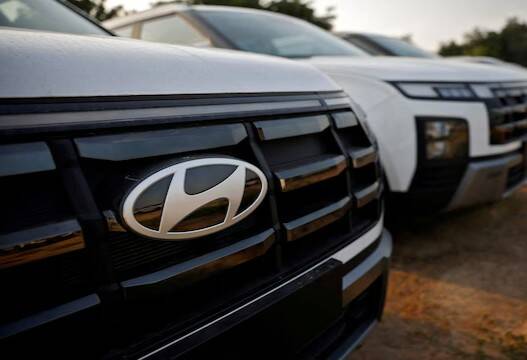
The shares of Hyundai, one of the biggest automobile companies in South Korea, saw a sharp decline on Tuesday, as it fell as much as 4.77% on Tuesday, according to CNBC TV18. This came after Donald Trump imposed a 25% tariff on the Southeast Asian country. Hyundai’s subsidiary Kia dropped nearly 3.5%, and the affiliated Hyundai Mobis was down 5%. The sudden decline in the stock prices of these companies has sent shockwaves throughout the automotive industry, and has raised concerns about the potential impact of the tariffs on the global economy.
The tariffs imposed by Trump are part of a broader effort to renegotiate trade agreements with several countries, including South Korea. The move is seen as an attempt to protect American industries and jobs, but it has been met with criticism from many experts who argue that it will ultimately harm the US economy and lead to higher prices for consumers. The tariffs on South Korean autos and pharmaceuticals are particularly significant, as the country is a major exporter of these products to the US.
The impact of the tariffs on Hyundai and other South Korean automakers is likely to be significant. The company exports a large percentage of its vehicles to the US, and the tariffs will make its products more expensive for American consumers. This could lead to a decline in sales and revenue for the company, which could have a negative impact on its stock price. Additionally, the tariffs could also lead to higher production costs for Hyundai, as it may need to pay more for components and materials imported from the US.
The decline in Hyundai’s stock price is not just a concern for investors, but also for the broader economy. The company is one of the largest employers in South Korea, and a decline in its fortunes could have a ripple effect throughout the country’s economy. The tariffs could also lead to a decline in economic growth, as higher prices and reduced trade could lead to lower consumer spending and investment.
The reaction from the South Korean government has been swift and critical. The country’s trade minister has said that the tariffs are “unacceptable” and has threatened to take retaliatory measures. The move has also been criticized by other countries, including China and the European Union, which have warned that the tariffs could lead to a trade war.
The implications of the tariffs go beyond the automotive industry. The pharmaceutical industry in South Korea is also likely to be affected, as the country is a significant exporter of pharmaceuticals to the US. The tariffs could lead to higher prices for American consumers, and could also lead to a decline in the competitiveness of South Korean pharmaceutical companies.
In conclusion, the imposition of a 25% tariff on South Korean autos and pharmaceuticals by Donald Trump has had a significant impact on the stock price of Hyundai and other related companies. The move has raised concerns about the potential impact on the global economy, and has been met with criticism from many experts. As the situation continues to unfold, it will be important to monitor the reaction of the South Korean government and other countries, and to assess the potential implications of the tariffs on the broader economy.
The decline in Hyundai’s stock price is a significant development, and it will be important to watch how the company and the South Korean government respond to the tariffs. The move has also raised questions about the future of trade agreements between the US and other countries, and has highlighted the need for a more nuanced approach to trade policy.
As the world watches the developments in the trade dispute between the US and South Korea, one thing is clear: the imposition of tariffs on South Korean autos and pharmaceuticals is a significant move that will have far-reaching implications. The impact on Hyundai’s stock price is just the beginning, and it will be important to monitor the situation closely in the coming weeks and months.
About the Author