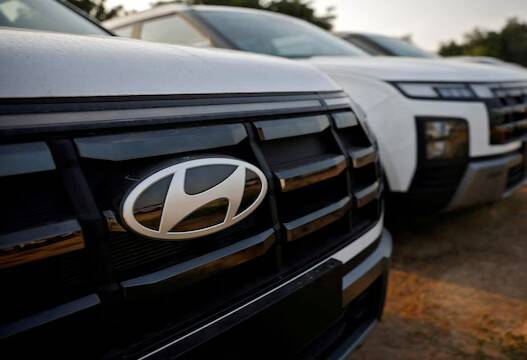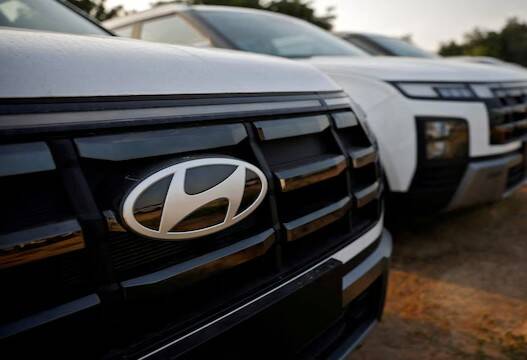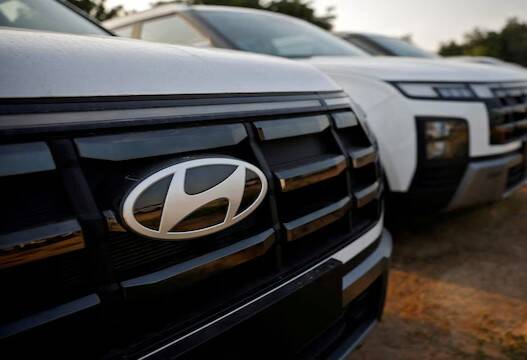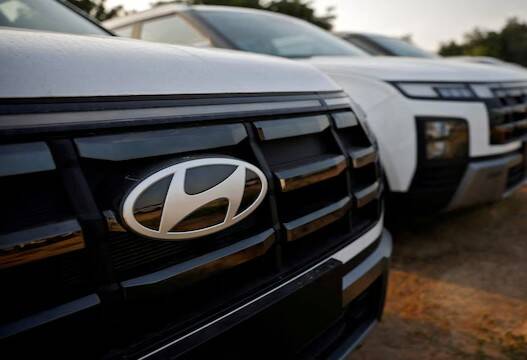
Hyundai Stock Falls 4% After Trump Imposes 25% Tariff on S-Korea
The global automotive industry has been facing numerous challenges in recent years, from shifting consumer preferences to rising trade tensions. The latest blow came when Donald Trump, the former President of the United States, imposed a 25% tariff on South Korea, a move that sent shockwaves through the stock market. The shares of Hyundai, one of the biggest automobile companies in South Korea, saw a sharp decline on Tuesday, as it fell as much as 4.77% on Tuesday, according to CNBC TV18. This came after Trump’s announcement, which is expected to have far-reaching consequences for the South Korean economy, particularly the automotive and pharmaceutical industries.
The tariff hike is a significant blow to Hyundai, which is one of the largest automobile manufacturers in the world. The company has a substantial presence in the US market, and the increased tariff is likely to make its vehicles more expensive for American consumers. As a result, Hyundai’s sales in the US are expected to decline, which will have a negative impact on the company’s revenue and profitability. The decline in Hyundai’s stock price is a reflection of the market’s concern about the company’s future prospects in the face of rising trade tensions.
Hyundai’s subsidiary, Kia, also saw a significant decline in its stock price, dropping nearly 3.5% on Tuesday. Kia is another major automobile manufacturer in South Korea, and it also has a significant presence in the US market. The company’s vehicles are known for their quality and affordability, but the increased tariff is likely to make them less competitive in the US market. As a result, Kia’s sales in the US are also expected to decline, which will have a negative impact on the company’s revenue and profitability.
The affiliated Hyundai Mobis, which is a leading manufacturer of automotive parts, was also affected by the tariff hike. The company’s stock price fell by 5% on Tuesday, as investors became increasingly concerned about the impact of the tariff on the company’s business. Hyundai Mobis is a major supplier of automotive parts to Hyundai and Kia, and the increased tariff is likely to increase the company’s costs and reduce its profitability.
The impact of the tariff hike on Hyundai and its subsidiaries is not limited to the US market. The company has a significant presence in other countries, including China, India, and Europe, and the increased tariff is likely to have a ripple effect on its global operations. The company’s exports from South Korea are likely to become more expensive, which will make them less competitive in the global market. As a result, Hyundai’s sales and revenue are expected to decline, which will have a negative impact on the company’s profitability.
The tariff hike is also likely to have a significant impact on the South Korean economy, which is heavily dependent on exports. The country’s automotive and pharmaceutical industries are among the largest exporters, and the increased tariff is likely to reduce their competitiveness in the global market. As a result, the South Korean economy is expected to slow down, which will have a negative impact on the country’s growth and employment.
The reaction of the South Korean government to the tariff hike has been swift and decisive. The government has announced plans to take retaliatory measures against the US, including imposing tariffs on American goods. The move is likely to escalate the trade tensions between the two countries, which will have far-reaching consequences for the global economy.
In conclusion, the imposition of a 25% tariff on South Korea by Donald Trump is a significant blow to Hyundai and its subsidiaries. The company’s stock price has fallen sharply, and its sales and revenue are expected to decline. The impact of the tariff hike is not limited to Hyundai, but it will have far-reaching consequences for the South Korean economy and the global automotive industry. As the trade tensions between the US and South Korea continue to escalate, it remains to be seen how the situation will unfold and what the ultimate impact will be on the global economy.
About the Author